
On this page
- 1. What is the Small Business Administration (SBA) Disaster Loan program?
- 2. How do SBA disaster loans differ from other types of loans?
- 3. Are SBA disaster loans forgivable?
- 4. What are the eligibility criteria for obtaining an SBA disaster loan?
- 5. Can you give examples of situations in which businesses may qualify for SBA disaster loans?
- 6. What can you do if you cannot keep up with SBA disaster loan payments?
- 7. Are forgiven PPP loans and EIDL advances taxable?
- 8. Do sole proprietors and independent contractors qualify for SBA disaster loans?
1. What is the Small Business Administration (SBA) Disaster Loan program?
The Small Business Administration (SBA) Disaster Loan program is a federal initiative that provides low-interest loans to small businesses, homeowners, and renters who have been affected by a declared disaster. The program aims to help these individuals and businesses recover from the financial losses incurred due to the disaster.
Through the SBA Disaster Loan program, eligible businesses can receive funds to cover expenses such as repair or replacement of damaged property, working capital, and other financial obligations that cannot be met due to the disaster. The loans are offered at favorable terms, with interest rates typically lower than those available through traditional lenders.
To qualify for an SBA disaster loan, businesses must demonstrate that they have suffered substantial economic injury as a result of the declared disaster. This includes physical damage to property or significant loss of revenue due to business interruption caused by the disaster. The program is designed to provide assistance when other sources of financing are not available or sufficient.
Capital Gurus is not an SBA lender; SBA loans are made by SBA-participating lenders.
2. How do SBA disaster loans differ from other types of loans?
SBA disaster loans differ from other types of loans in several ways. Firstly, they are specifically intended for businesses and individuals affected by a declared disaster. This means that eligibility criteria may be different compared to traditional loans offered by banks or financial institutions.
Secondly, SBA disaster loans often have more flexible repayment terms than conventional loans. They typically offer longer repayment periods and lower interest rates, making them more affordable for borrowers who may be experiencing financial hardship due to the disaster.
Additionally, SBA disaster loans may require collateral in certain cases but generally do not require extensive credit history or high credit scores for approval. This can make them more accessible for small businesses or individuals who may not meet the stringent requirements of traditional lenders.
Overall, SBA disaster loans aim to provide timely financial assistance during times of crisis, helping businesses and individuals recover and rebuild in the aftermath of a disaster. The loans are intended to bridge the gap between immediate needs and long-term recovery, offering support when traditional sources of funding may be unavailable or insufficient.
3. Are SBA disaster loans forgivable?
No. SBA disaster loans, including physical damage loans and Economic Injury Disaster Loans (EIDL), are loans. The borrower repays them under the terms of the loan agreement, and there is no forgiveness application for them.
The confusion comes from the Paycheck Protection Program (PPP). PPP loans were made by participating lenders during the COVID-19 pandemic and could be forgiven when the funds went to payroll and other eligible costs. PPP was a separate program, not a disaster loan, and it is closed to new applications.
What does not have to be repaid
Some COVID-19 EIDL applicants also received an EIDL Advance or a Targeted EIDL Advance. Those payments were grants, so they never had to be repaid. The EIDL loan that came with them still does.
Picture a florist that received an EIDL loan along with an EIDL Advance. The advance was a grant and never has to be repaid, but the loan that came with it does, under the terms of the loan agreement, with no forgiveness application to file.
4. What are the eligibility criteria for obtaining an SBA disaster loan?
Eligibility Requirements
To qualify for an SBA disaster loan, businesses must meet certain eligibility criteria set by the Small Business Administration. These criteria include:
- The business must be located in a declared disaster area where SBA disaster loans are available.
- The business must have suffered economic injury as a result of the declared disaster.
- The business must be a small business, as defined by the SBA’s size standards.
- The business must have been in operation on the date of the disaster and have a demonstrated ability to repay the loan.
Additionally, certain types of businesses may be ineligible for SBA disaster loans. These include agricultural enterprises and gambling establishments.
It is important for businesses to review the specific eligibility requirements for SBA disaster loans and consult with their lender or the SBA directly to determine if they meet all the necessary criteria before applying.
Decisions from some providers the same day, depending on the provider.
5. Can you give examples of situations in which businesses may qualify for SBA disaster loans?
Examples of qualifying situations for SBA disaster loans
Businesses may qualify for SBA disaster loans in various situations, including:
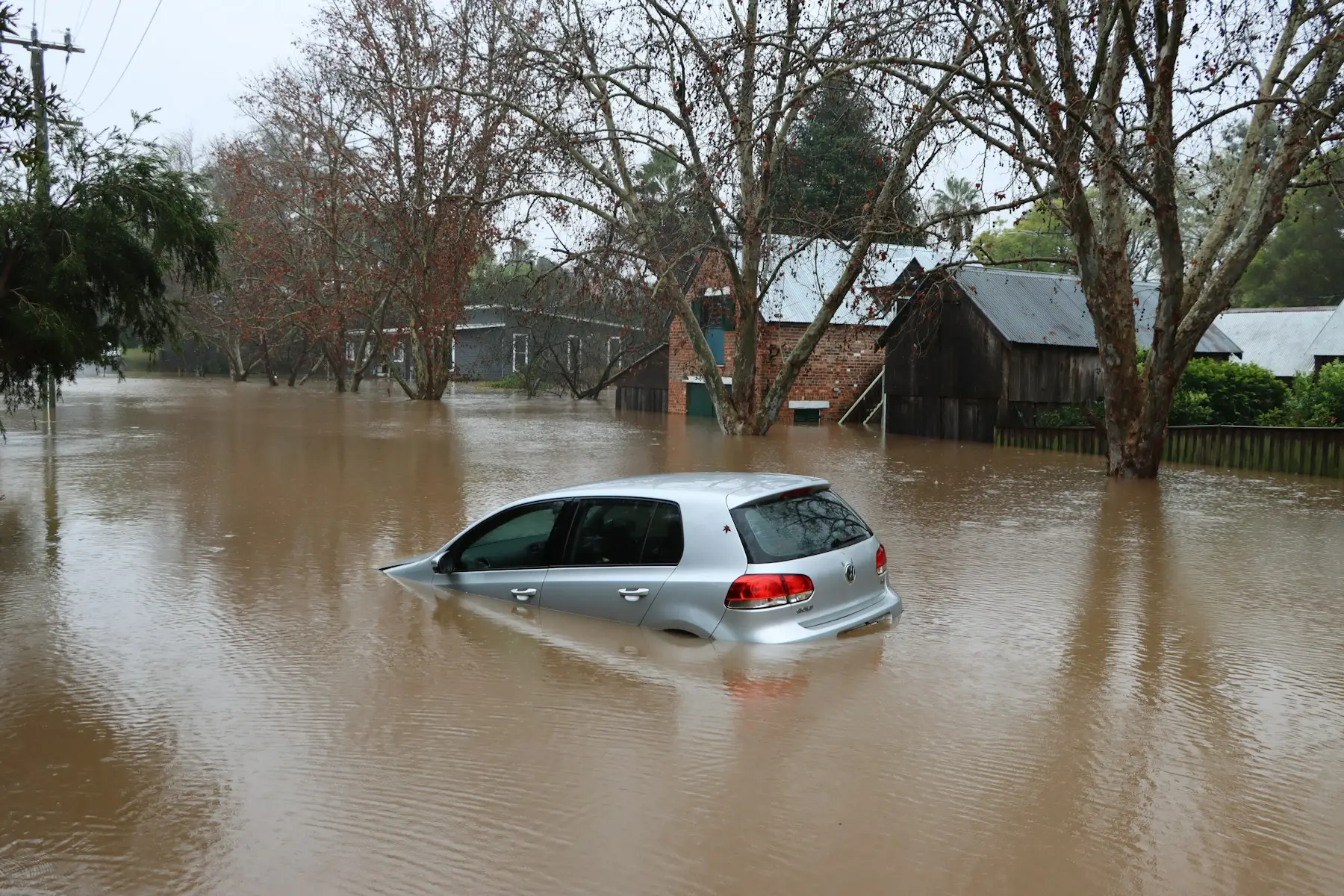
- Natural disasters: When a business has suffered physical damage or economic injury due to a natural disaster such as hurricanes, floods, earthquakes, or wildfires.
- Pandemics and public health emergencies: In times of widespread health crises like the COVID-19 pandemic, businesses impacted by government-mandated closures or significant revenue loss may be eligible.
- Civil unrest: If a business experiences damage or financial hardship resulting from civil disturbances, riots, or acts of terrorism.
- Other declared disasters: The SBA provides assistance when the President declares a specific area as a disaster zone due to unforeseen circumstances.
6. What can you do if you cannot keep up with SBA disaster loan payments?
Talk to the SBA before you miss a payment. The SBA services its disaster loans directly, and the earlier you call, the more options you usually have.
Hardship options
For COVID-19 EIDL borrowers, the SBA has offered a hardship accommodation plan that lowers the monthly payment for a set period. Requests go through the MySBA Loan Portal or the SBA’s disaster loan servicing centers. Interest keeps accruing during the plan, so the balance does not shrink while payments are reduced.
If the loan goes into default
A loan that stays delinquent can be charged off and referred to the U.S. Treasury for collection, which can include offsets against federal payments. Collateral pledged for the loan, and any personal guarantee, can also be pursued. In some cases, a borrower who cannot repay in full can ask the SBA to settle the debt through an offer in compromise, based on their ability to pay.
Say a coffee shop owner with a pandemic EIDL sees a slow season coming and knows the next payments will be difficult to make. Calling the SBA before missing a payment opens hardship options such as a reduced payment for a set period, though interest keeps accruing, so the balance does not shrink.
7. Are forgiven PPP loans and EIDL advances taxable?
At the federal level, forgiven PPP loans and EIDL advance grants are generally not counted as taxable income, and the expenses paid with them generally remain deductible. State rules vary. An SBA disaster loan itself is debt, not income, so receiving it is not taxable, and the interest paid on it may be deductible as a business expense. A tax professional can confirm how this applies to your business.
8. Do sole proprietors and independent contractors qualify for SBA disaster loans?
Yes. Sole proprietors and independent contractors can apply for SBA disaster loans when their business is in a declared disaster area and has suffered physical damage or economic injury. They repay the loan on the same terms as any other borrower, because the program has no forgiveness for them either.
No, SBA disaster loans are not forgivable. The forgivable program was PPP, and the EIDL advances were grants.
Key takeaways
- SBA disaster loans, including the COVID-19 Economic Injury Disaster Loan (EIDL), must be repaid. They have no forgiveness program.
- The forgivable program was the Paycheck Protection Program (PPP), a separate SBA program that is closed to new applications.
- EIDL Advance and Targeted EIDL Advance payments were grants, so they do not have to be repaid. The loan itself does.
- Borrowers who struggle with payments should contact the SBA about hardship options before they fall behind.


