
Trucking Business Loans and Financing: Freight Factoring, Truck and Trailer Financing, Working Capital
Invoice factoring on delivered loads is the realistic route. Trucks and trailers go to equipment financing.
Soft credit pull only, no obligation
- Same-day decisions
- from some providers
- Subject to provider approval and document turnaround.
- 700+
- industries served
- Reviews
- Load delivered
- Invoice sent
- Customer pays
Net terms
Bridged by invoice factoring for trucking and logistics companies
Rates, factor rates, fees and terms are set by the funding provider that makes your offer and are disclosed in that provider's agreement. Figures on this page are illustrative ranges from providers in our network, not offers.
The structure that fits first
- Lead productInvoice factoring
The receivable, not the truck, is what a provider will fund, and your brokers' and shippers' credit carries the decision
A factoring company advances against freight invoices you have already delivered, and your customer's payment settles the transaction.
invoice factoring for trucking and logistics companies - Equipment financing
The asset secures the deal; age, mileage and title condition set the terms
The second route is equipment financing when the money is going into a truck, a tractor or a trailer, because there the asset is the collateral.
equipment financing
Decisions from some providers the same day, depending on the provider.Subject to provider approval and document turnaround.
The numbers before you apply
Typical amount
$10K–$10M
Across the products in our network
Equipment amounts
Up to $5M
Up to $500K on the application alone; up to $5M with full documentation
Speed
As fast as 6 hours
Same-day decisions from some providers; funding as fast as 6 hours, subject to provider approval and document turnaround
Amounts considered by providers in our network, depending on the funding provider. Not an offer. Cost is stated on each product page.
What do trucking and logistics businesses use financing for?
Waiting to be paid for a load
Brokers and shippers pay on their own terms; drivers, fuel and insurance cannot wait. It is the problem factoring is built for.
Fuel, tolls and insurance premiums
The largest recurring outlays, and the ones that spike before a busy run rather than after it.
Buying or replacing a truck or a trailer
A tractor, a reefer, a dry van, a flatbed or a lift gate, each of which can secure its own financing.
Repairs and downtime
An out-of-service truck earns nothing while it sits, so the repair is urgent in a way few other industries experience.
Authority and compliance costs
Insurance deposits, electronic logging devices, permits, fuel-tax filings and the audit that follows them.
New lanes, drivers or a warehouse
Growth that needs the cash up front: drivers hired, space leased, and no invoice on the new lane paid yet.
What do providers look for in a transportation file?
On acceptance, plainly: most providers in our network restrict this vertical for general working capital, a couple require a fleet rather than a single truck, some treat it as higher risk and price it that way, and a few carry no industry restriction at all.
Who your customers are
Direct shippers and large brokers are stronger credits than small brokers, and factoring is underwritten on them rather than on you.
The paperwork behind each load
Rate confirmation, signed bill of lading, proof of delivery: clean documents release the advance and carry much of the file.
Existing liens on your receivables
An earlier blanket lien has to be released or subordinated before a factoring company will file its own — see what a blanket lien is.
Authority age and safety record
A young authority narrows the panel; a poor safety score narrows it further.
Fleet size
The honest version: more trucks, more providers.
Deposits and customer concentration
A ledger resting on one broker is funded more cautiously than one spread across several.
A worked example
Take a small carrier running a handful of trucks, hauling mostly for freight brokers. Drivers are paid weekly. Loads are delivered and invoiced, and the money arrives long after the fuel was bought. In the same month, a trailer has to be replaced.
Invoice factoring
$90,000
Cash against delivered loads already invoiced
Outstanding, factored invoice by invoice
Equipment financing against the dealer invoice
$65,000
A replacement used trailer
Illustrative example, not an offer. Advance rates, factoring fees, reserves, rates and terms are set by the funding provider that makes your offer and are disclosed in that provider's agreement.
Owner-operators, fleets, freight brokers, last-mile and warehousing
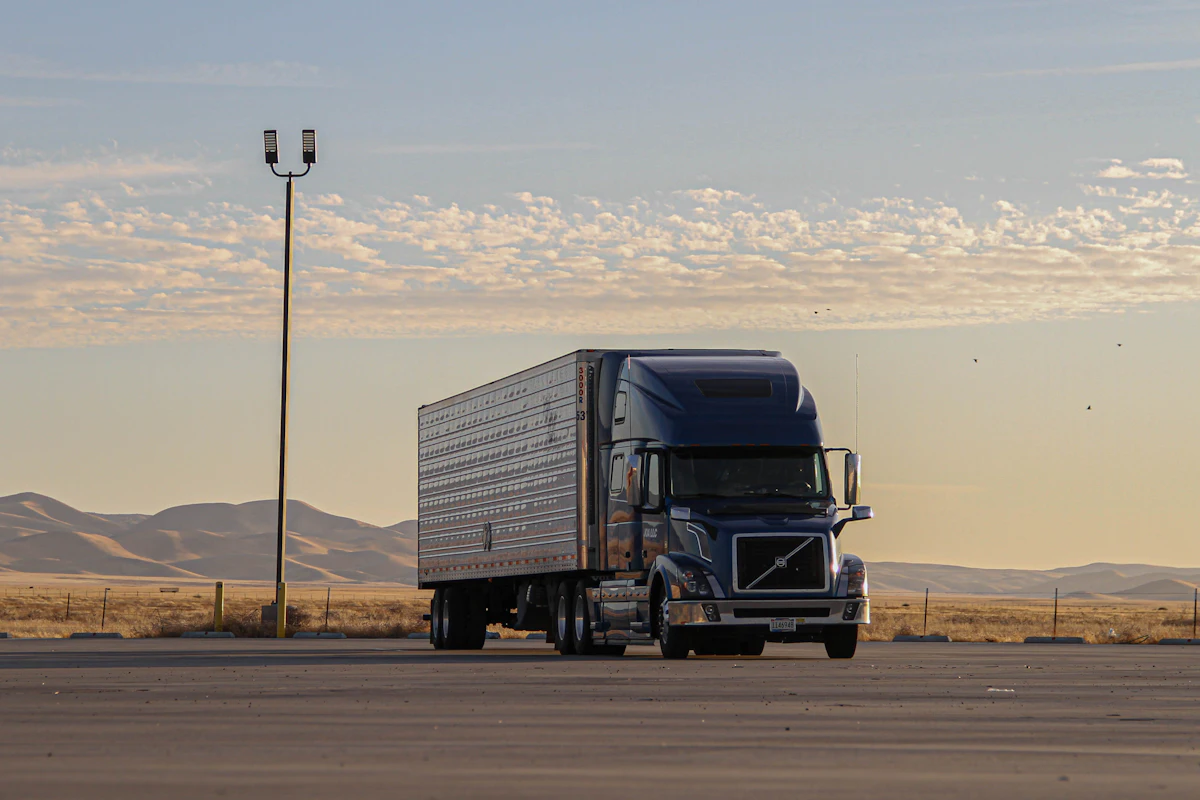
Owner-operators
The hardest file in the vertical. Some providers require a fleet, so factoring is usually the only route, with equipment financing on a titled truck second. Say so on the first call.
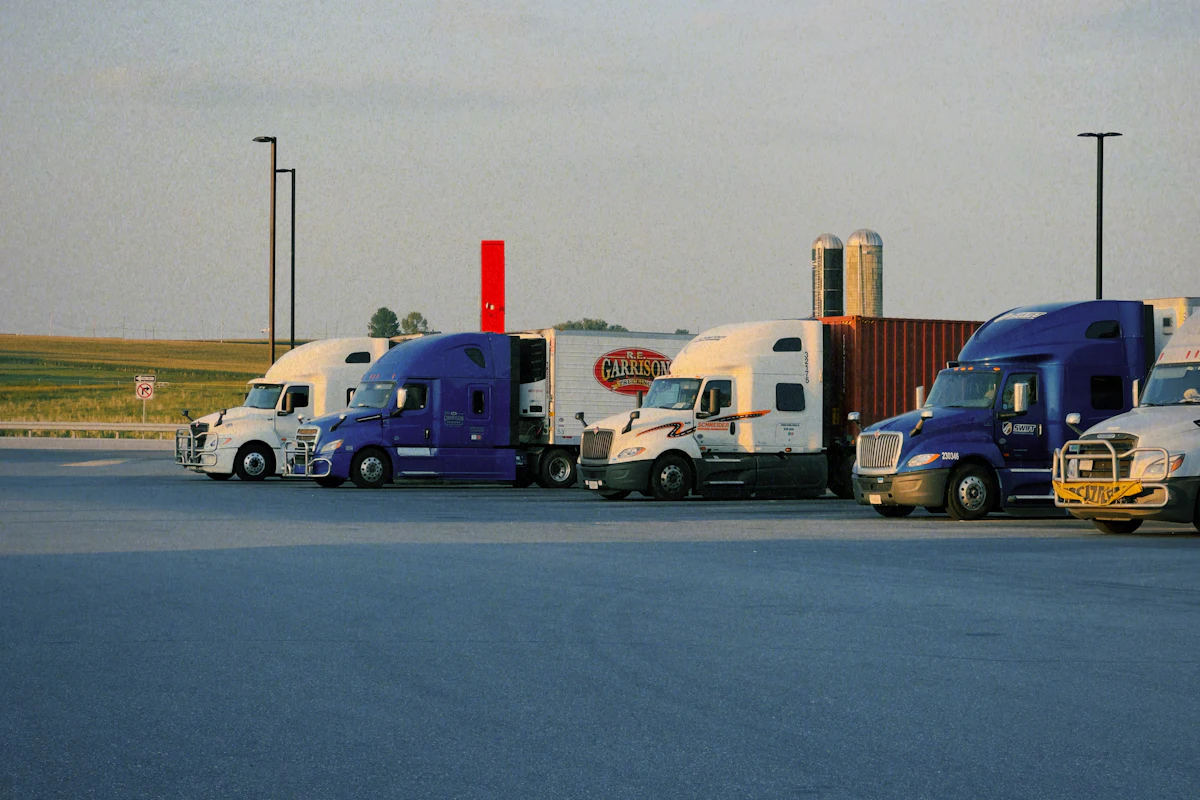
Small and mid-size fleets
Reads materially better than an owner-operator file. Factoring on the ledger plus equipment financing on the next tractor is the normal combination.
Freight brokers and 3PLs
A different balance sheet: you owe carriers as well as being owed by shippers, and quick-pay obligations to your carriers change what a factoring company will advance.

Last-mile and courier
Often one platform or one retailer behind most of the revenue, which triggers concentration limits on how much of that balance is funded.
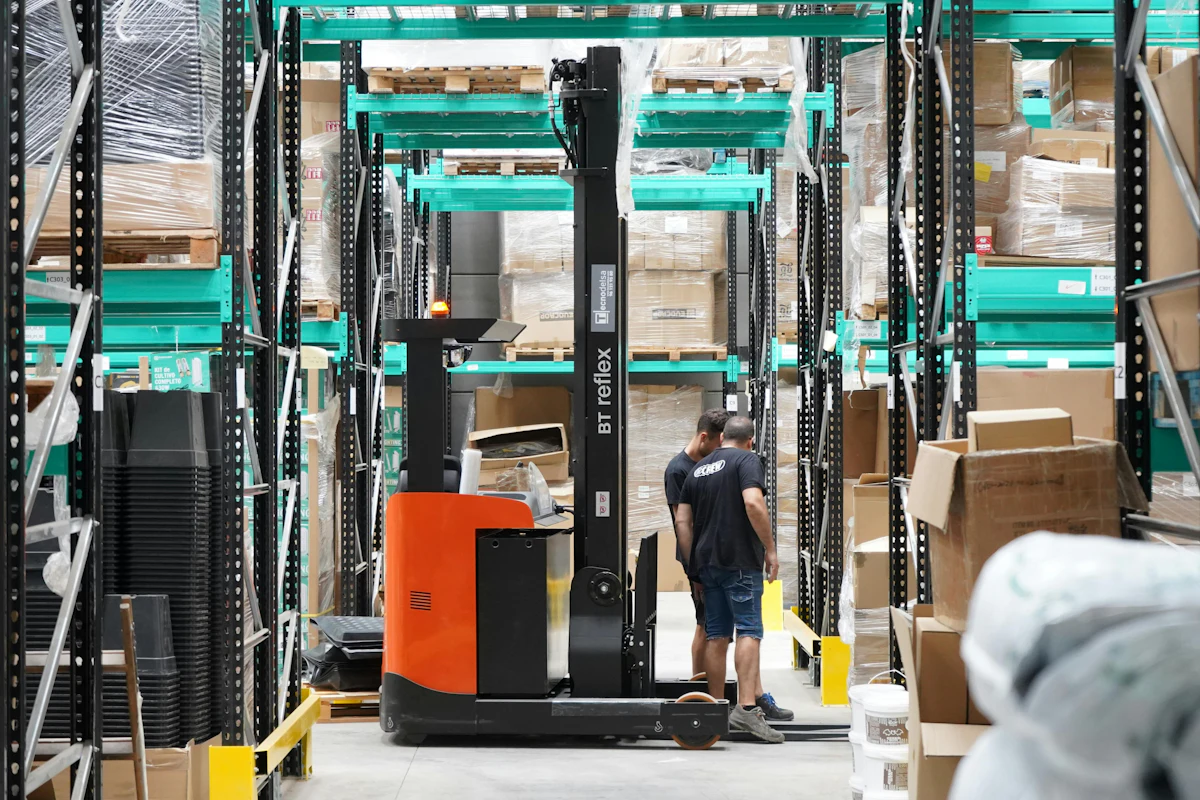
Warehousing and logistics services
Recurring monthly invoices to commercial customers, which factor well because they repeat.
Moving companies
A household customer leaves no commercial invoice to factor, so the file goes back to the working-capital question.
What does a trucking or logistics business need to apply?
Some providers consider applications at these minimums. Meeting a minimum does not guarantee an offer. The application is a soft credit pull only.
12 mo
time in business
$15K
monthly revenue
525
credit considered from
3 mo
bank statements
5 min
application
Bring, on top of the statements
- A government ID
- More statements in some states: four in CA, NY, FL and GA with some providers
- For factoring: an accounts-receivable aging report, sample invoices with rate confirmations and bills of lading, and the list of brokers or shippers you want to factor
- For a truck or trailer: the dealer invoice or quote, and the title or titling details
- Your operating authority details, insurance certificate and, if asked, your safety record
Capital Gurus is not a lender. We collect your application, present it to funding providers in our network, and help you compare the offers they make. Each provider sets its own rates, fees and terms, which are disclosed in that provider's agreement.
Frequently asked questions
In short
Trucking is one of the hardest verticals to fund with working capital: most providers in our network restrict it, and a truck is not collateral a working-capital provider wants. The realistic route is invoice factoring on delivered freight invoices. Truck and trailer purchases go to equipment financing instead.
Can I get a business loan for a trucking company?
Sometimes, but it is the harder half of the answer. Most providers in our network restrict transportation and logistics for general working capital, a couple will only look at a fleet, and a few accept it without an industry restriction. What is routinely available is factoring on your delivered freight invoices, and equipment financing when the money is going into a truck or a trailer.
What credit score is needed to finance a semi truck?
There is no single number, because the asset carries much of the decision. Some providers in our network consider credit from 525 with 12 months in business and $15,000 in monthly revenue. A weaker profile generally means a larger deposit, a shorter term or a newer truck, depending on the funding provider. Age, mileage and title condition matter as much as the score.
Can a new LLC get financing for a trucking business?
An LLC with only an EIN is not enough on its own. Providers verify the owner, review personal credit through a soft credit pull only and underwrite the business bank statements. For a brand-new authority, factoring is usually the first thing that works, because the decision rests on the credit of the brokers and shippers who owe you rather than on your own trading history.
Why do so many providers restrict trucking?
Because the cash flow and the collateral both work against a working-capital provider. Revenue is lumpy and depends on rates and fuel, the business can stop earning the day a truck goes out of service, and the truck itself is mobile, depreciating and usually already financed. Those are the facts that drive the restriction, not anything about your business in particular.
Should I factor freight invoices or take an advance?
Factor the invoices if the problem is the wait between delivering a load and being paid, because the money comes from your customer rather than out of your own revenue. An advance makes sense only if the gap is not an invoicing gap, the amount is small and a provider that accepts the vertical makes you an offer you have read in full.
Is a truck acceptable as collateral?
To an equipment provider, yes — financing a titled truck or trailer is their core business. To a working-capital provider, usually not. It moves, it loses value with mileage, recovering it is slow and expensive, and there is often an earlier lien on the title already. That is why the same truck opens one door and not the other.
Still have a question?
talk to a funding advisorDecisions from some providers the same day, depending on the provider.
Subject to provider approval and document turnaround.
about 5 minutes, soft credit pull only · Talk to a funding advisor