
Beauty Salon, Spa and Barbershop Business Loans and Financing: Chairs, Equipment, Refits and Working Capital
Working capital for chairs, refits and quiet months, often a small advance against card sales.
Soft credit pull only, no obligation
- Same-day decisions
- from some providers
- Subject to provider approval and document turnaround.
- 700+
- industries served
- Reviews
- Build-out paid
- New chair opens
- Chair bills
Months of rent
Bridged by working capital financing for salons, spas and barbershops
Rates, factor rates, fees and terms are set by the funding provider that makes your offer and are disclosed in that provider's agreement. Figures on this page are illustrative ranges from providers in our network, not offers.
The structure that fits first
- Lead productWorking capital
The umbrella a shop's file is usually placed under: stock, payroll, a refit, a quiet month
Providers read card settlements and deposits first, which suits a shop with steady takings and little to pledge.
working capital financing - Revenue-based advance
Card-heavy takings and credit weaker than the deposits; the realistic route at a small ticket
An advance is a purchase of future receivables, not a loan, and it is priced with a factor rate rather than an interest rate.
a revenue-based advance - Equipment financing
Chairs, stations and devices secure their own deal, so the cash in the business stays there
For chairs, stations and devices, from a single dryer to a laser, where the asset secures its own deal.
equipment financing
Decisions from some providers the same day, depending on the provider.Subject to provider approval and document turnaround.
The numbers before you apply
Typical amount
$10K–$10M
Across the products in our network
Equipment amounts
Up to $5M
Up to $500K on the application alone; up to $5M with full documentation
Speed
As fast as 6 hours
Same-day decisions from some providers; funding as fast as 6 hours, subject to provider approval and document turnaround
Amounts considered by providers in our network, depending on the funding provider. Not an offer. Cost is stated on each product page.
What do salons, spas and barbershops use financing for?
Five requests cover most of what owners ask about.
Chairs, stations and equipment
Styling chairs, shampoo units, dryers, nail stations, pedicure spas, wax and facial beds.
More: Chairs, stations and equipment
In a med spa, laser and body-contouring devices too. The ticket runs from a few hundred dollars to six figures for a single device, which is why this is the one category where the asset itself can carry the deal.
A refit of the salon floor
Mirrors, flooring, lighting, plumbing for a new wash station, a reception desk, a sign, a window.
More: A refit of the salon floor
Spend that lasts a decade should not come out of six weeks of takings, so a term structure earns its place here.
A second chair, room or site
Deposit, build-out and the first months of rent all land before the new chair bills anything.
More: A second chair, room or site
A second site is normally read on the trading history of the first.
Retail stock and back bar
Color, product, towels, disposables: small amounts bought again and again.
More: Retail stock and back bar
That is the classic case for standby capital rather than a lump sum.
A quiet month or a surprise bill
January after December, a stylist who leaves with clients, a tax bill, a broken compressor.
More: A quiet month or a surprise bill
January after a strong December is expected, and providers read it as a pattern.
What do providers look for in a salon, spa or barbershop file?
The same file can be routine at one provider and out of scope at the next, and nothing about your shop changes that — it is a guideline in a credit policy, not a judgement on the work.
What actually reaches the business account
This is the biggest underwriting question in the trade.
More: What actually reaches the business account
If your stylists or barbers rent chairs and keep what they charge, the business's revenue is the rent — not the money moving through the salon. A shop with employed staff and one card terminal shows a far larger deposit figure for the same floor space. Neither model is wrong, but they size very differently, so say which one you run and what share of the floor is rented.
Card settlements
Card settlements are easy to verify and collect from, which suits an advance.
More: Card settlements
That is why advances are straightforward to place in this trade. A cash-heavy shop that banks its cash is still readable. A cash-heavy shop that does not bank it cannot be read at all.
Consistency rather than volume
A provider reads every month in the statements, not the strongest one.
More: Consistency rather than volume
January after a strong December is expected and is read as a pattern. Negative balance days are not expected, and they are a common reason a file is cut back or declined.
Existing positions
Funding already remitting reduces what a provider will add.
More: Existing positions
Some providers decline stacked files outright. It will be found in the statements, so list it up front.
Licenses and the premises
Cosmetology and barbering licenses for the shop and its staff come up first.
More: Licenses and the premises
A lease with enough term left on it matters on anything tied to the premises. A med spa adds medical-director and device questions, which is why those files read closer to a clinic than to a salon.
Complete statements
three months of bank statements, every page, no screenshots, no partial months.
More: Complete statements
Missing pages stall a file longer than a weak month does.
Worked example
A barbershop and salon taking the lease on the unit next door: four stations to fit out, plus rent and wages to carry until the new chairs are busy. One scenario, two structures.
Equipment financing
$35,000
Four stations, two wash units and a dryer
The equipment secures the deal
Revenue-based advance
$20,000 funded
Rent and wages for the first weeks of the new unit
A $26,000 payback, remitted as a percentage of card settlements
Illustrative example, not an offer. Amounts, factor rates, fees and schedules are set by the funding provider that makes each offer and are disclosed in that provider's agreement. An advance is not a loan and carries no interest; any annualized figure is shown for comparison only. Financed equipment may qualify for a depreciation deduction — consult a tax advisor.
Hair, nails, barbershops, day spas and med spas
Hair salons
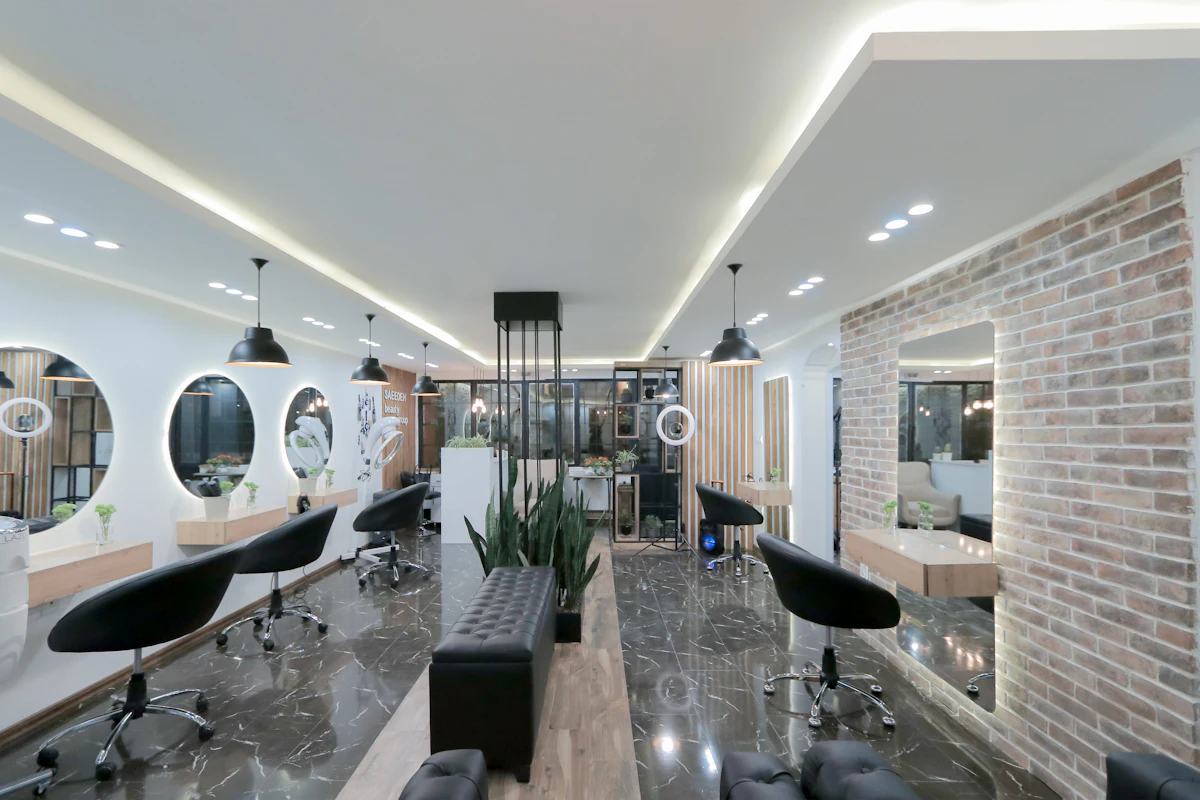
The core file: card-heavy takings, a mix of employed and chair-renting staff, modest tickets. Working capital and small advances do most of the work.
Barbershops
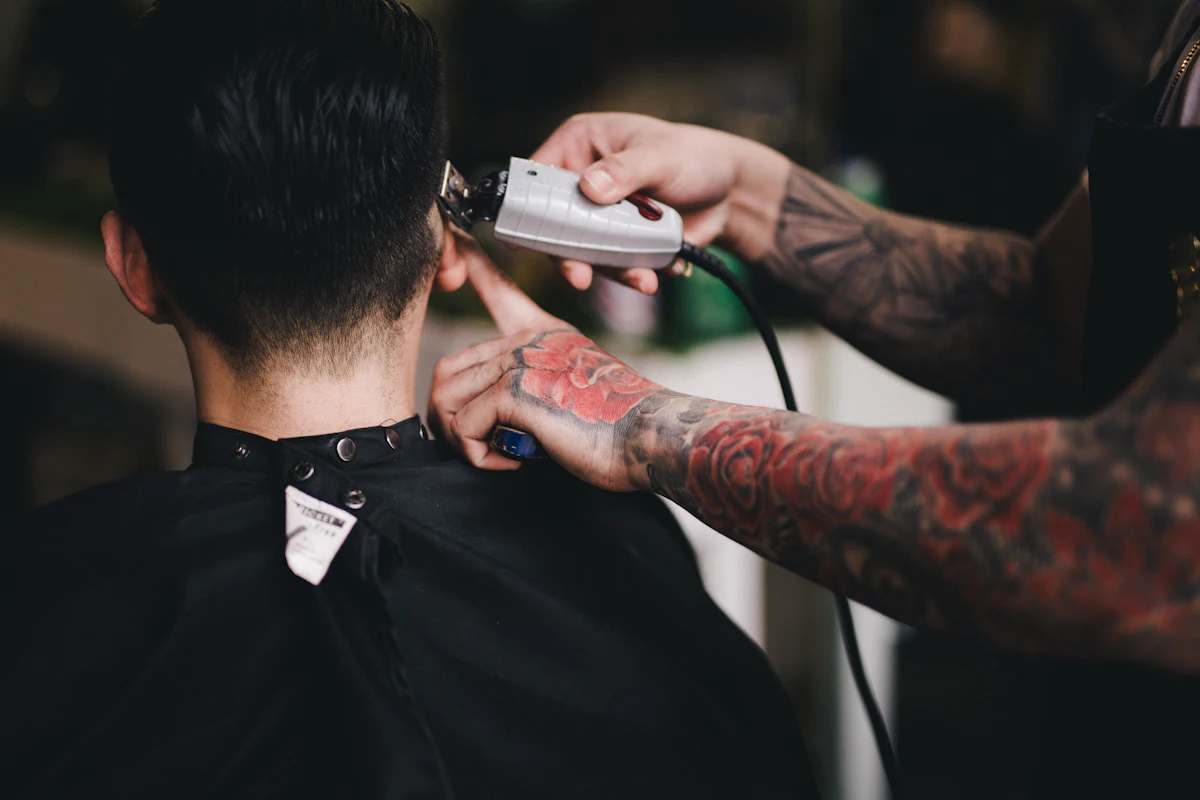
The same shape at a smaller scale, and the category providers most often exclude. Clean statements and a business account that visibly holds the takings matter most here.
Nail salons
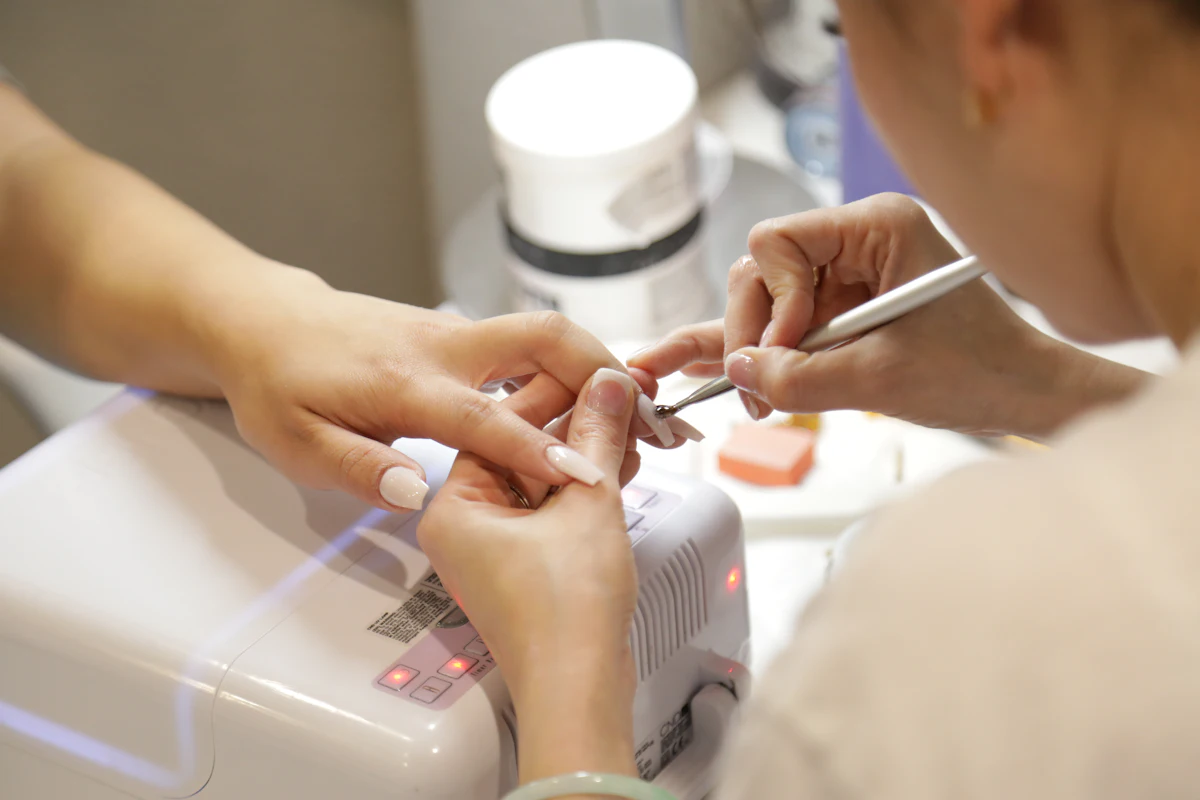
Equipment-led at the fit-out stage: stations, pedicure spas, ventilation. Once the shop is open and trading, the requests shift to stock and payroll.

Day spas and wellness
Larger premises, heavier build-outs and treatment beds, plus memberships and packages paid in advance: a deposit today and an obligation tomorrow.
Med spas
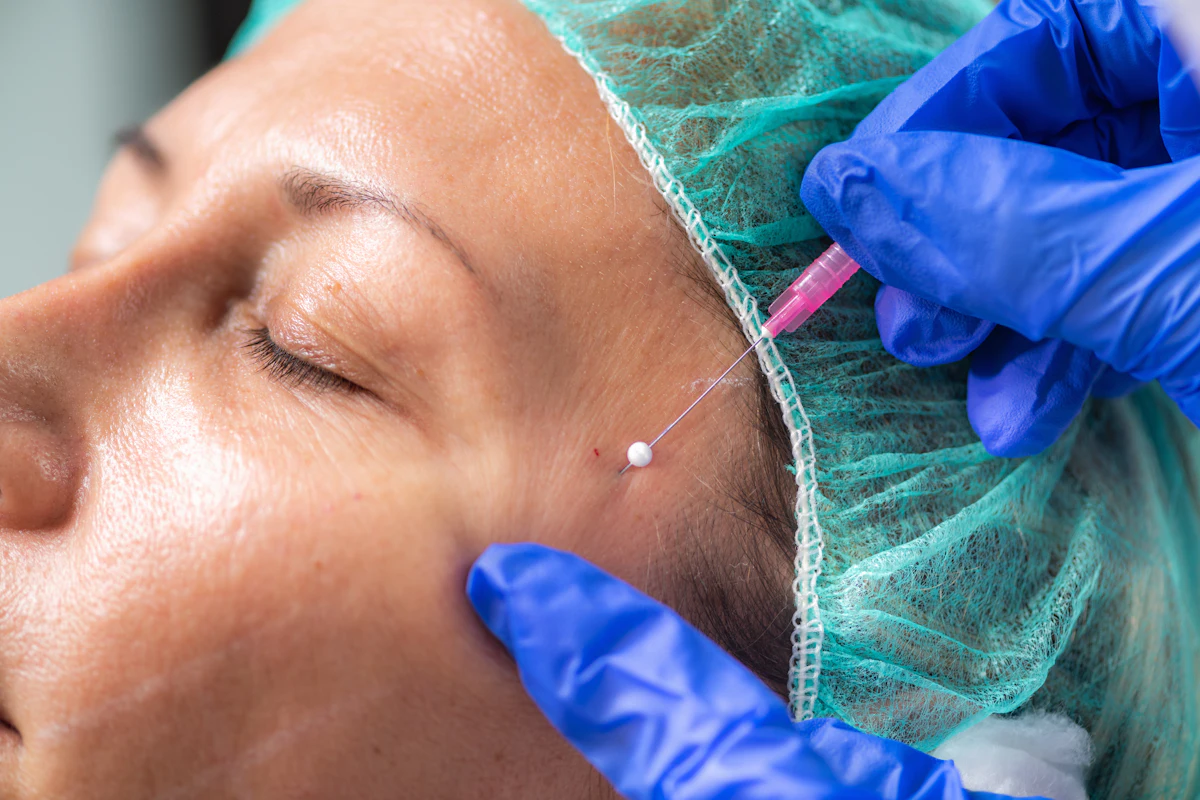
Closer to a clinic: a medical director, prescription devices, higher tickets, more equipment. Medical practices fits equipment and term-loan questions better.
Booth renters and single-chair operators
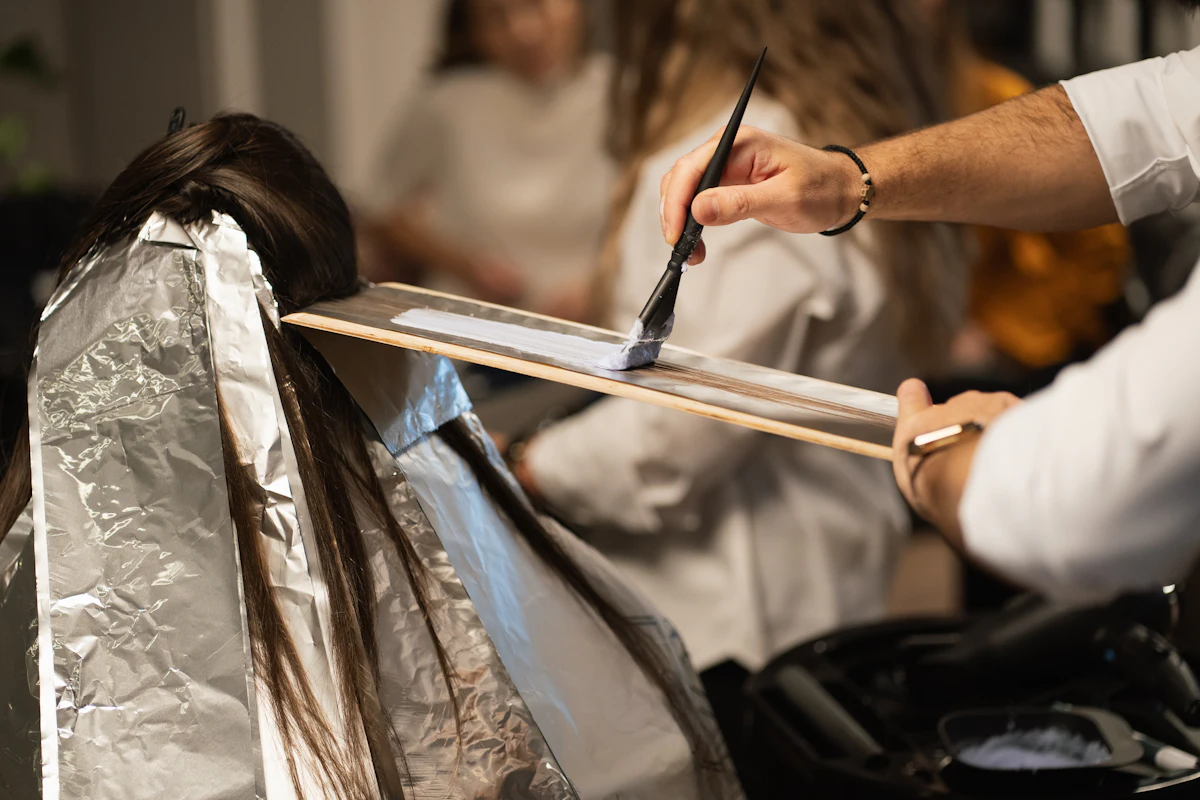
A chair renter is a very small business, often with no business account showing the takings, the most common reason a file here cannot be underwritten.
What does a salon, spa or barbershop need to apply?
Some providers consider applications at these minimums. Meeting a minimum does not guarantee an offer. The application is a soft credit pull only.
12 mo
time in business
$15K
monthly revenue
525
credit considered from
3 mo
bank statements
5 min
application
Bring, on top of the statements
- A government ID
- More statements in some states: four in CA, NY, FL and GA with some providers
- Processor statements. Where the request is tied to card settlements, the processor's own statements shorten the review.
- A quote, for equipment. Vendor, model, serial number where there is one, delivery and installation cost.
- How your staff are paid. Employed, chair rental or a mix, and what share of the floor is rented out.
- The number and the reason. How much, what for, and when you need it. Providers ask, and some restrict certain uses.
Capital Gurus is not a lender. We collect your application, present it to funding providers in our network, and help you compare the offers they make. Each provider sets its own rates, fees and terms, which are disclosed in that provider's agreement.
Frequently asked questions
In short
Most salons, spas and barbershops fund chairs, stations, a refit or a quiet month with working capital — often a small revenue-based advance against card settlements. Providers in our network consider $10K–$10M across products, though salon tickets are usually small. Some providers decline the category outright, so where the file goes matters.
How much financing can a salon or barbershop get?
Deposits set the number first. Across all products, providers in our network consider $10K to $10M, depending on the funding provider, but salon and barbershop requests sit at the small end of that: a few thousand to a few tens of thousands is the normal size for a single shop. Meeting a minimum does not guarantee an offer, and the top of any range belongs to much larger businesses.
Does chair rental count as revenue?
Only the part that reaches your business bank account. If your stylists or barbers rent chairs and keep what they charge, the shop's revenue is the rent, not the takings on the floor, and the rent is the figure a provider sizes from. A salon with employed staff and one card terminal usually shows a far larger deposit figure for the same floor space.
Can I finance salon or spa equipment with weak credit?
Sometimes. On an equipment deal the asset carries part of the decision, so a weaker credit profile is less decisive than it is on a term loan. Some providers consider credit from 525 with 12 months in business and $15,000 in monthly revenue. Expect a smaller first amount, a shorter schedule, a deposit, and questions about the resale market for that model.
Do some providers refuse to fund salons and barbershops?
Yes. Some providers in our network treat beauty and salons as preferred business; others exclude barbershops and salons outright, which means the same file can be routine at one provider and out of scope at the next. Nothing about your shop changes that — it is a guideline, not a judgement. It is the reason one application to a network beats six separate applications.
Can a brand-new salon or barbershop get funding?
A shop that has not opened has no deposits to read, so most providers will not consider it. Once it is trading and banking, some providers in our network look at files from 12 months in business with $15,000 in monthly revenue. Younger than that, the realistic routes are startup financing, equipment financing against the asset, or the owner's own credit.
What if the amount I need is small?
That is the normal case here, and it changes the shape of the offer rather than the answer. Small requests are usually met with a short, revenue-tied advance rather than a loan or a line, because the work of underwriting a large file does not fit a small one. Ask your funding specialist what is realistic at your deposit level before you pick a product.
Still have a question?
talk to a funding advisorDecisions from some providers the same day, depending on the provider.
Subject to provider approval and document turnaround.
about 5 minutes, soft credit pull only · Talk to a funding advisor