

Restaurant Business Loans and Financing Options, Ranked: Working Capital, Kitchen Equipment and Expansion
Working capital against card settlements for payroll, inventory and repairs, plus kitchen equipment financing.
Soft credit pull only, no obligation
- Same-day decisions
- from some providers
- Subject to provider approval and document turnaround.
- 700+
- industries served
- Reviews
- Slow season
- Payroll still due
- Busy season pays
Until it picks up
Bridged by working capital financing for restaurants
Rates, factor rates, fees and terms are set by the funding provider that makes your offer and are disclosed in that provider's agreement. Figures on this page are illustrative ranges from providers in our network, not offers.
The structure that fits first
- Lead productWorking capital
Card settlements and bank deposits carry the decision, not the credit score, and remittance moves with sales
That is why most restaurants start with working capital financing for restaurants, usually revenue-based financing against card settlements, not a loan.
working capital financing for restaurants - Business line of credit
Standby money for a gap that repeats; drawn and redrawn, but providers want a stronger credit profile
A business line of credit for restaurants suits a gap that comes back every year: drawn when the quiet season starts, repaid when the busy one pays.
A business line of credit for restaurants - Equipment financing
The equipment secures the deal, so the cost is usually lower and the term longer
Equipment financing for restaurants is the cheaper way to buy a hood, a walk-in or a full line, because the equipment secures the deal.
Equipment financing for restaurants
Decisions from some providers the same day, depending on the provider.Subject to provider approval and document turnaround.
The numbers before you apply
Typical amount
$10K–$10M
Across the products in our network
Advance amounts
$10K–$500K
Depending on the funding provider
Speed
As fast as 6 hours
Same-day decisions from some providers; funding as fast as 6 hours, subject to provider approval and document turnaround
Amounts considered by providers in our network, depending on the funding provider. Not an offer. Cost is stated on each product page.
What do restaurants and food-service businesses use financing for?
A slow-season payroll and rent gap
Covers wages, rent and the sales-tax bill through the quarter the dining room is quiet, repaid out of the season that follows.
Food and beverage inventory
Buying ahead of a holiday, a festival or a catering run, or taking a supplier's discount for paying early.
Equipment that stops service when it fails
A walk-in, a hood, a dishwasher, a fryer, a point-of-sale system: the request that arrives on a Monday and cannot wait.
Repairs, refreshes and code work
A dining-room refresh, a patio build, or code work an inspector has ordered.
A second location or a build-out
Deposits, key money, the architect, the first months of rent before the doors open.
Delivery, catering and marketing pushes
Platform commissions, catering deposits and the staffing it takes to service both.
What do providers look for in a restaurant file?
Because acceptance differs this much from one provider to the next, one application to a network reaches more guidelines than one application to one provider.
Card settlements and deposit consistency
Steady settlements across every month of statements count for more than one strong month followed by a weak one.
Negative days and overdrafts
Negative balance days and overdrafts are the most common reason a restaurant file is reduced or declined.
A full seasonal cycle
Providers read the quiet quarter as well as the busy one. A file that shows both, and survives both, prices better.
The lease
Remaining term, the rent as a share of revenue, and whether the landlord has served any notice.
Licences and inspections
A current liquor licence and a clean recent health inspection remove questions before they are asked.
Existing positions
Advances already remitting reduce what a provider will fund, and some decline stacked files outright.
A worked example
Take a single-location restaurant that has traded through a full year of seasons and takes most of its revenue on cards. It has two needs in the same month: a gap to carry payroll and rent through the quiet quarter, and a walk-in cooler and hood that have to be replaced.
Working capital
$50,000
Payroll and rent through the slow quarter
Remitted against card settlements
Equipment financing
$40,000
Replacement walk-in and hood
Against the vendor invoice
Illustrative example, not an offer. Amounts, costs and terms are set by the funding provider that makes your offer and are disclosed in that provider's agreement.
Bars, food trucks, caterers, franchises and ghost kitchens

Full- and quick-service restaurants
The core restaurant file, and the one the ranking of financing options above is written for.

Bars and taverns
Set your expectations here. A standalone, single-location bar is excluded by some providers in our network.
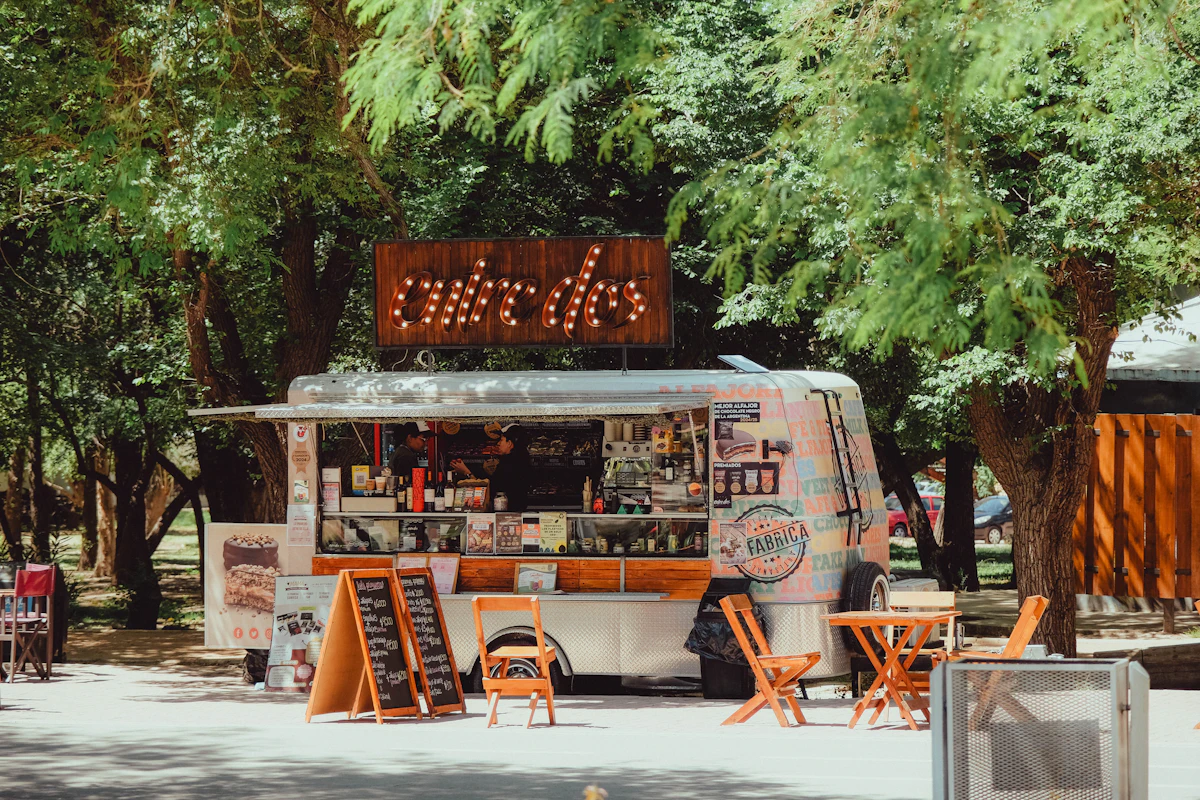
Food trucks and trailers
The truck is titled equipment, so it finances as equipment. Working capital is harder: deposits are smaller, seasons sharper.
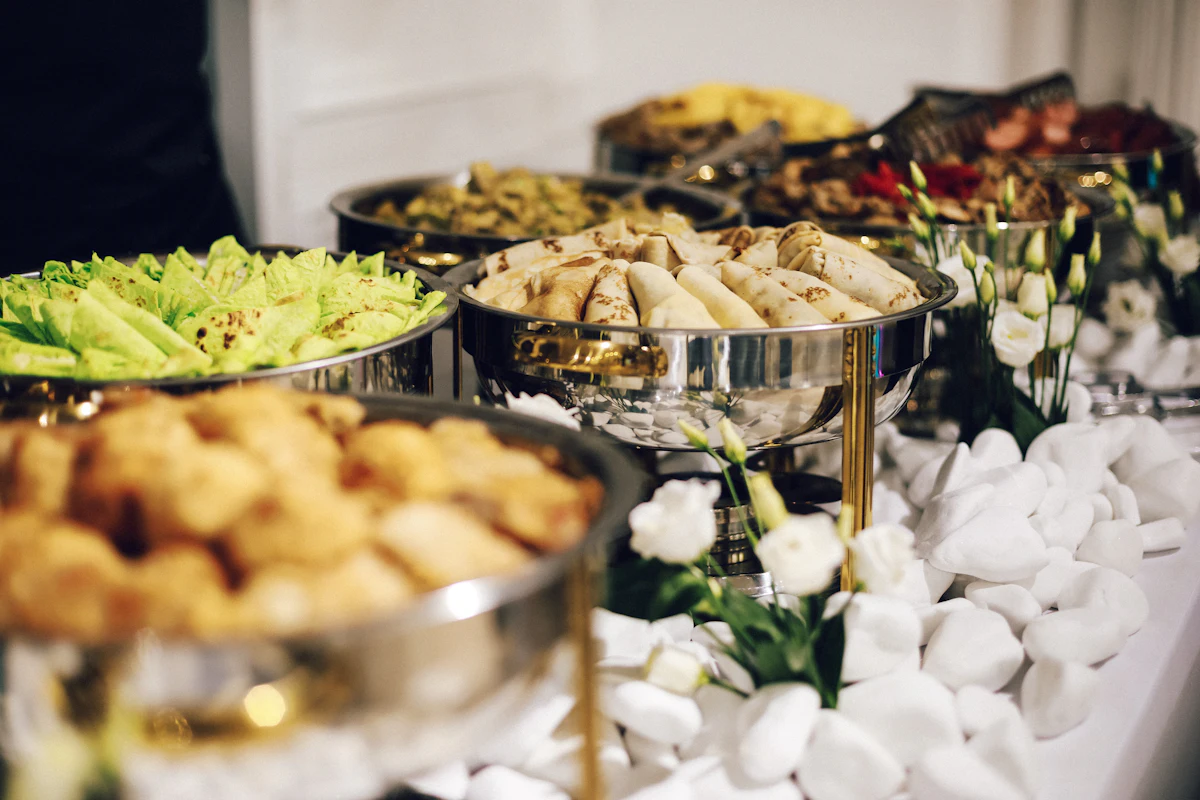
Caterers
If corporate clients pay you on terms, invoice factoring can fit better than an advance, since it rests on their credit.
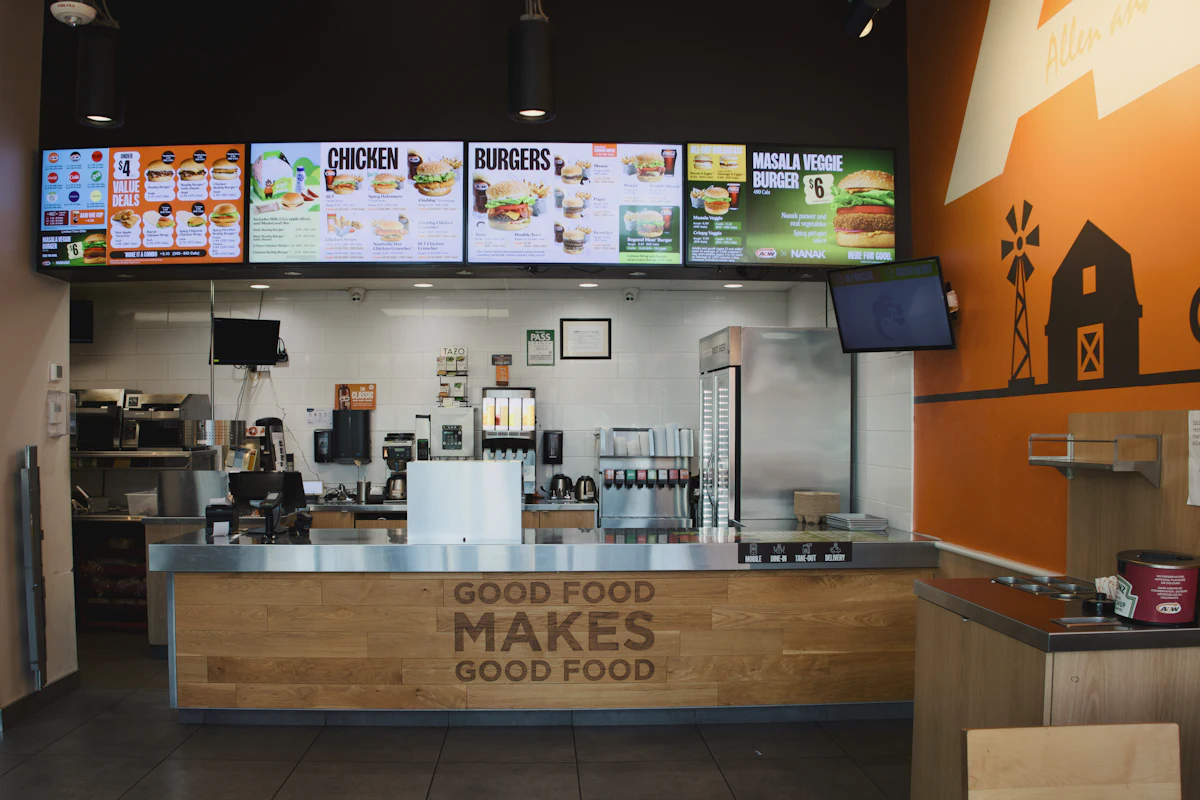
Franchise restaurants
Generally welcome. Expect the franchisor's approval for a remodel, and have the franchise agreement to hand.
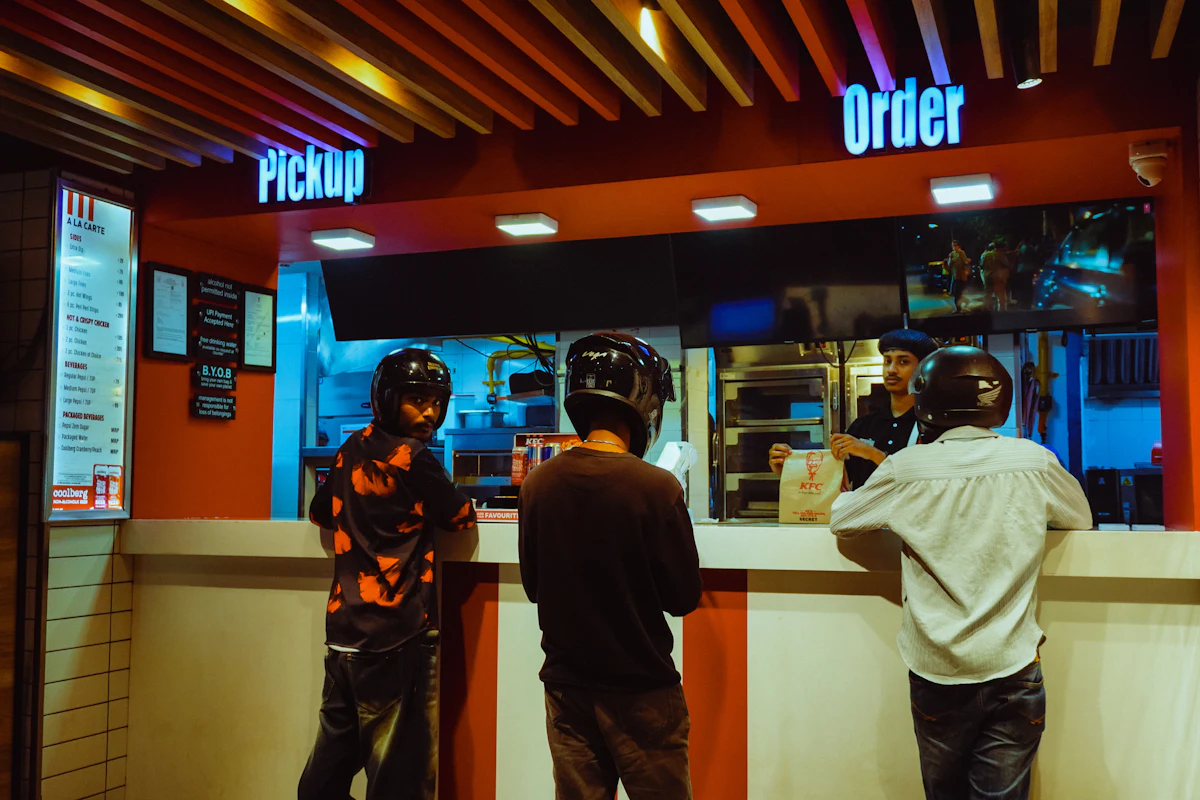
Ghost kitchens and delivery-only
Revenue arrives as platform deposits rather than card settlements, which some providers underwrite comfortably and others do not.
What does a restaurant need to apply?
Some providers consider applications at these minimums. Meeting a minimum does not guarantee an offer. The application is a soft credit pull only.
12 mo
time in business
$15K
monthly revenue
525
credit considered from
3 mo
bank statements
5 min
application
Bring, on top of the statements
- A government ID
- More statements in some states: four in CA, NY, FL and GA with some providers
- Your card-processing statements, if the request is an advance against settlements.
- The lease, the liquor licence and the latest health inspection, if you have them.
- A vendor quote or invoice, if any part of the request is equipment.
Capital Gurus is not a lender. We collect your application, present it to funding providers in our network, and help you compare the offers they make. Each provider sets its own rates, fees and terms, which are disclosed in that provider's agreement.
Frequently asked questions
In short
Most restaurant financing requests are solved by working capital, priced as revenue-based financing against card settlements. Restaurants use it for slow-season payroll, inventory, a replacement walk-in or hood, and build-out. A line of credit and kitchen equipment financing are the other routes. Some providers exclude single-location bars.
Is it hard to get financing for a restaurant?
Less hard than most owners expect. Card settlements land in the bank account every day, so a provider can verify the revenue and remit against it, and that makes restaurants one of the easier verticals to place. The decision leans on deposits rather than on the credit score. The exceptions are standalone bars and very new businesses, which a narrower set of providers will consider.
What kind of financing fits a restaurant?
It depends on what the money is for. A short, urgent gap suits working capital or an advance against card settlements. A gap that repeats every year suits a line of credit. A hood, a walk-in or a full kitchen line is cheaper financed as equipment, because the equipment secures the deal. A second location is a term-loan or SBA conversation.
Do providers finance bars?
Some do and some will not. A standalone, single-location bar is excluded by a few providers in our network, and a restaurant whose revenue is mostly alcohol reaches a narrower panel than one with a strong food mix. A bar with a real kitchen, a longer trading history or more than one location reads better. Tell your specialist the revenue split up front.
Can a restaurant get financing with weak credit?
Often, yes. Providers of advances decide mainly on your bank deposits, so credit carries less weight than it does elsewhere. Some providers in our network consider credit from 525 with 12 months in business and $15,000 in monthly revenue. Weaker credit generally means a smaller amount and a shorter payback, depending on the funding provider.
Can a restaurant that has only just opened get financing?
It is harder, and the amounts are smaller. Most providers in our network want 12 months of trading history before they will look at an advance, because they are buying future receivables and need months of deposits to price them. A new kitchen can still often be financed as equipment, where the asset carries more of the decision than the trading history does.
Does the money have to be spent on what I said?
Tell the truth about the use of funds, because it affects which providers see your file and which product fits. Equipment financing pays a vendor against an invoice, so it is tied to the purchase. Working capital and advances are not usually earmarked line by line, but your agreement may restrict certain uses. Read that clause before you sign.
Still have a question?
talk to a funding advisorDecisions from some providers the same day, depending on the provider.
Subject to provider approval and document turnaround.
about 5 minutes, soft credit pull only · Talk to a funding advisor