

Line of Credit for Restaurants: Draw for the Slow Season, Repay When Covers Return
A revolving limit: draw for the quiet quarter, repay as covers return, redraw for the next gap.
Soft credit pull only, no obligation
Rates, factor rates, fees and terms are set by the funding provider that makes your offer and are disclosed in that provider's agreement. Figures on this page are illustrative ranges from providers in our network, not offers.
- Same-day decisions
- from some providers
- Subject to provider approval and document turnaround.
- 700+
- industries served
- Reviews
This page is part of our guide to financing for restaurants and applies the general rules of a business line of credit to restaurants, cafes and food-service businesses whose cash gap comes back every year.
How a line works across a restaurant year
The line is opened once, ideally before the quiet months, and then used as the season dictates.
Open it ahead
Apply while deposits are strong, before the slow quarter shows on your statements.
Draw what you need
Rent, payroll and the sales-tax bill through the quiet weeks, not the whole limit.
Repay from sales
On the provider's schedule, weekly or monthly, against the balance drawn.
Redraw next time
What you paid down is available again, with no new application.
Cost on the balance drawn
Cost runs on the balance drawn, not the limit, as a rate or a fixed cost of funds. Depending on the provider, a line may have no draw fees; some charge a draw fee or a monthly maintenance fee.
Revolving, and reviewed
Confirm in writing that draws replenish: a non-revolving line is finished once used. Ask what is reviewed at renewal: a line kept a year is read again on that year's statements.
What restaurants draw on a line for
A line pays for gaps that close on their own when the season turns, not for things you keep.

The quiet quarter
Rent, payroll and the sales-tax bill through the weeks the dining room is quiet.
Repaid from the busy season.
Stock for a busy stretch
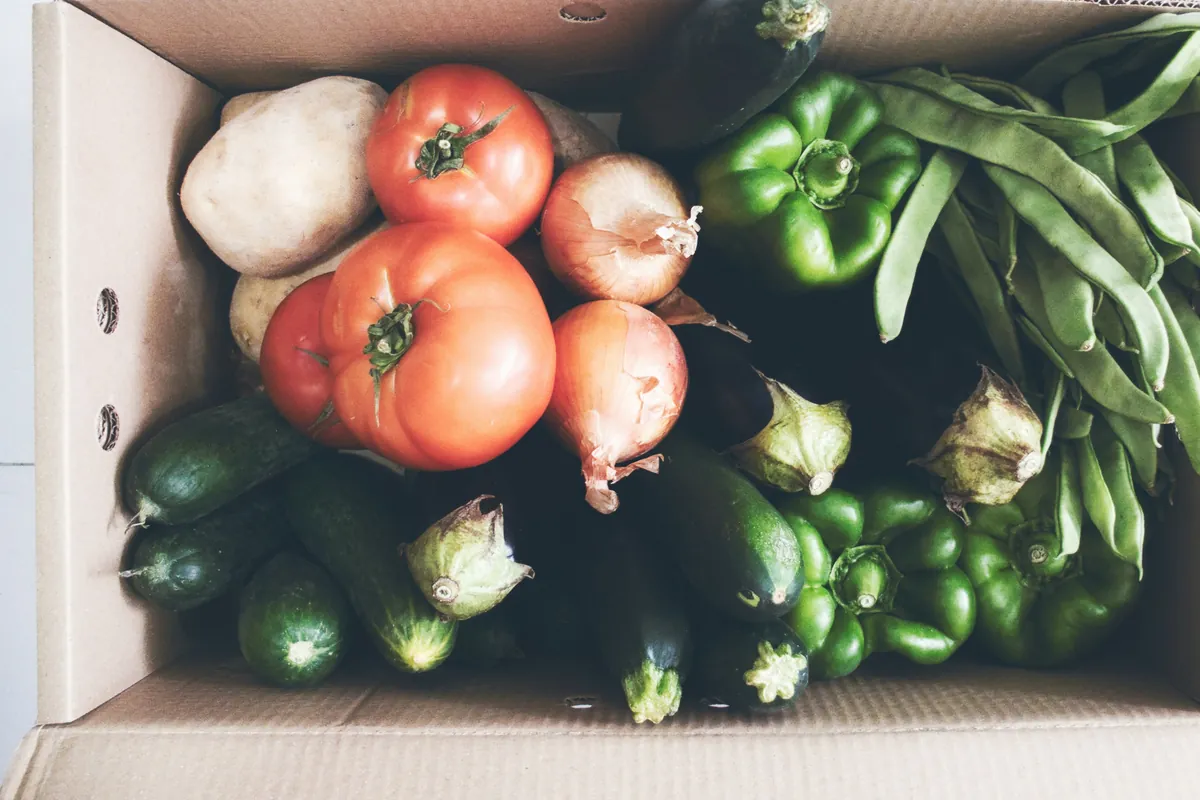
Food and drink bought before a holiday or festival, or early for a supplier's discount.
Repaid as the stock sells.

Staff before the season
Hiring and training the summer crew before the covers arrive to pay for it.
Wages: a draw, not a lump sum.
Catering and events
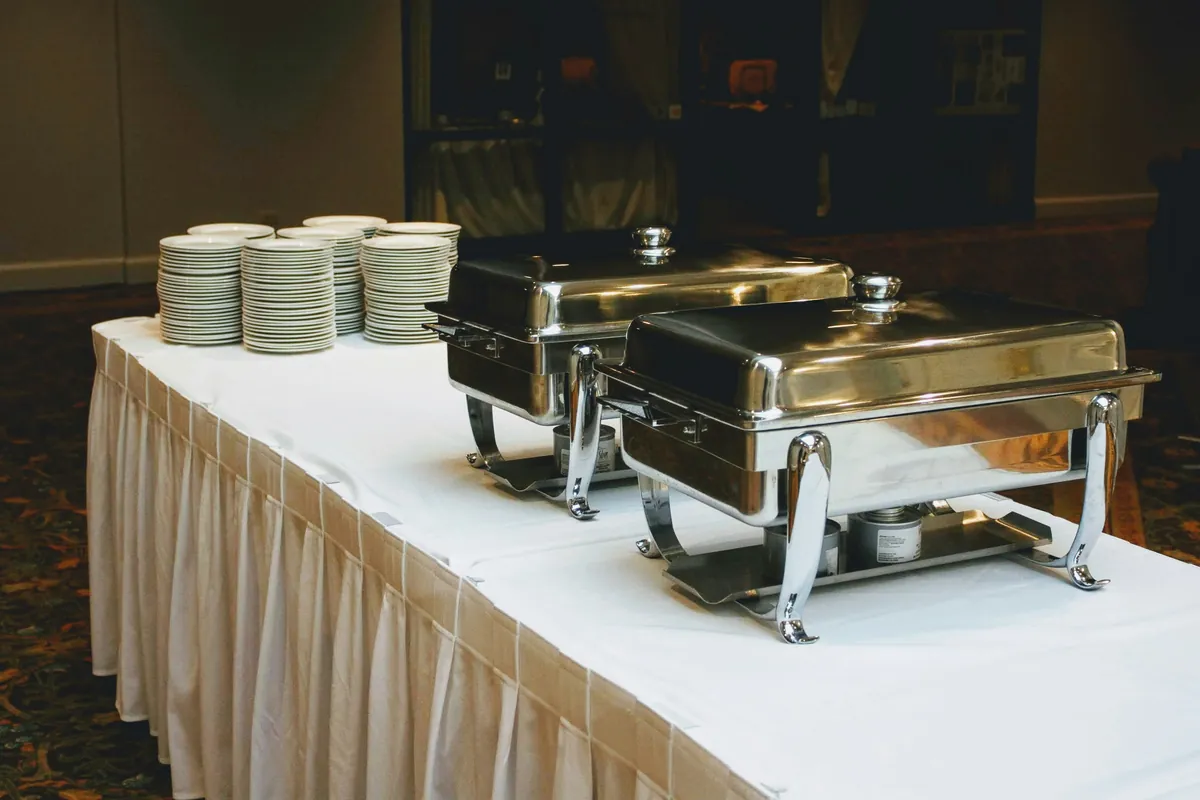
Food, staff and rentals for a large catering job, paid before the client settles.
Repaid when the client pays.
Why a line is harder to open than an advance
Card settlements carry an advance. A line stays open for months, so a provider reads more.
Your credit profile
Providers want a stronger credit profile for a line than for an advance. The strongest limits go to the strongest profiles.
Weaker credit usually means a smaller limit, or an advance instead.
A full seasonal cycle
Statements showing the quiet quarter and the busy one. Negative balance days most often shrink or stop a file.
Arrange the line before the season, while deposits are strong.
Existing positions
Advances already remitting reduce what a provider will offer, and some decline stacked files outright.
After advances: with better credit and positions paid down, a line comes next.
Worked example
Illustrative example, not an offer.
A single-location restaurant with several full seasons, steady card settlements and no advance still remitting opens a line in the fall and draws on it twice.
- A revolving limit, opened before the quiet monthsNo cost on a balance until it is drawn, unless the agreement states a maintenance fee$60,000
- Rent and payroll through the quiet quarterDrawn in January, paid down as spring covers return$30,000
- Holiday stock and the extra crew for DecemberRedrawn in November, from the room the repayments freed$20,000
Limits, rates, fees and schedules are set by the funding provider that makes each offer and are disclosed in that provider's agreement.
Decisions from some providers the same day, depending on the provider. Subject to provider approval and document turnaround.
What you need to apply
Some providers consider applications at these minimums.
- time in business
- 12 months
- monthly revenue
- $15K
- credit considered from
- 525
- bank statements plus ID
- 3 months
Meeting a minimum does not guarantee an offer. For a line, providers weigh the credit profile more heavily than for an advance.
Bring, on top of the statements
- Your card-processing statements for the same months
- The lease on your premises, with the term left on it
- The liquor license and the latest health inspection, if you have them
- A list of any advance or financing still being repaid
A standalone, single-location bar is excluded by some providers in our network, and mostly-alcohol revenue reaches fewer. Tell us the food and drink split: we send the file only to providers whose guidelines accept it.
Where a line fits, and where it does not
It fits
- A gap that comes back every year: the quiet quarter, the holiday stock-up, the summer hire
- A restaurant with a trading history: several full seasons a provider can read
It does not fit
- A walk-in or hood: usually cheaper as equipment
- A second site: a term-loan or SBA project
- Money this week: an advance opens faster
- Just opened: a line is hard to open early
Frequently asked questions
In short
A restaurant line of credit is a revolving limit: draw for the quiet quarter, repay as covers return, redraw for the next gap. Providers in our network consider lines from $10K–$5M, depending on the funding provider, priced as a rate or a fixed cost of funds on the balance drawn. It asks for a stronger credit profile than an advance.
Can a restaurant get a business line of credit?
Yes, though fewer restaurants qualify for a line than for an advance. Providers in our network consider lines from $10K–$5M, depending on the funding provider, and they read the credit profile, a full seasonal cycle of deposits and any advance still remitting. A restaurant with several seasons behind it, steady card settlements and few negative days is the file a line suits.
Is a line of credit or an advance better for a restaurant?
It depends on the gap and on the file. An advance is decided mainly on card settlements and remits as sales come in, so it is usually easier to reach. A line needs a stronger credit profile, but you carry cost only on the balance drawn and can redraw without reapplying. A gap that comes back every year suits a line; an urgent one-off gap suits an advance.
Can I use the line to replace kitchen equipment?
You can draw on a line for a repair, but a walk-in, a hood or a full kitchen line is usually better financed as equipment. The equipment secures that deal, so the cost is usually lower and the term longer, and your line stays free for the gaps it was opened for. A small repair that stops service and cannot wait is a reasonable draw.
Can a bar get a line of credit?
Some providers will consider one and some will not. A standalone, single-location bar is excluded by some providers in our network, and a business whose revenue is mostly alcohol reaches a narrower panel than a restaurant with a strong food mix. A bar with a real kitchen, a longer trading history or more than one location reads better. Tell us the revenue split up front.
When should a restaurant apply for a line of credit?
Before you need it. A provider reads your recent statements, and a file sent in the quiet quarter shows the weakest months on top. Apply while deposits are strong and leave the line undrawn until the slow season. Checking your options uses a soft credit pull only.
What does a line of credit cost a restaurant?
The provider sets the cost and discloses it in your offer before you sign. It is expressed as a rate on the drawn balance or a fixed cost of funds, plus any fees. Depending on the provider, a line may have no draw fees; some charge a draw fee or a monthly maintenance fee.
Still have a question?
talk to a funding advisorHave the money ready before the quiet quarter: see which line of credit offers fit your restaurant.
about 5 minutes, soft credit pull only · talk to a funding advisor