

Gym and Fitness Center Business Loans and Financing: Equipment, Build-Outs, Franchise Costs and Working Capital
Funded mainly on membership deposits: working capital first, with equipment financing behind it.
Soft credit pull only, no obligation
- Same-day decisions
- from some providers
- Subject to provider approval and document turnaround.
- 700+
- industries served
- Reviews
- Ads and staff paid
- January wave
- Memberships pay
Weeks later
Bridged by working capital financing for gyms and fitness centers
Rates, factor rates, fees and terms are set by the funding provider that makes your offer and are disclosed in that provider's agreement. Figures on this page are illustrative ranges from providers in our network, not offers.
The structure that fits first
- Lead productWorking capital
Sized from membership deposits, not from collateral
Usually arranged as revenue-based financing: a purchase of future receivables, not a loan, collected as a share of deposits.
working capital financing for gyms - Equipment financing
The machines secure the deal, so operating cash stays where it is
For treadmills, racks, turf and recovery gear, equipment financing lets the asset secure its own deal.
equipment financing - Business line of credit
Standby capital, drawn and redrawn as you pay it down
A business line of credit suits a trough that repeats every year, such as the summer lull or the drop-off after January.
A business line of credit
Decisions from some providers the same day, depending on the provider.Subject to provider approval and document turnaround.
The numbers before you apply
Typical amount
$10K–$10M
Across the products in our network
Equipment amounts
Up to $5M
Up to $500K on the application alone; up to $5M with full documentation
Speed
As fast as 6 hours
Same-day decisions from some providers; funding as fast as 6 hours, subject to provider approval and document turnaround
Amounts considered by providers in our network, depending on the funding provider. Not an offer. Cost is stated on each product page.
What do gyms and fitness centers use financing for?
Six requests account for most of what owners ask about.
Cardio and strength equipment
Treadmills, bikes, rowers, racks, plates, selectorised machines, turf, rigs, recovery and assessment gear.
More: Cardio and strength equipment
This is the clearest structure on the list, because the equipment secures the financing: some providers consider up to $500K on the application alone, and up to $5M with full documentation, depending on the funding provider.
A build-out or a second location
Flooring, showers, plumbing, electrical, walls, mirrors, signage and the rent on a site that is not yet selling memberships.
More: A build-out or a second location
Only part of this is financeable against an asset, which is covered honestly below.
Franchise fees and the opening ramp
The initial fee, territory, required equipment package, the brand's fit-out standard, and payroll through pre-sales.
More: Franchise fees and the opening ramp
The brand sets these, so the amount is knowable in advance; providers will want the franchise agreement.
Payroll, rent and the slow months
Trainers, front desk, cleaning and rent carry on through the quiet part of the year, while membership income dips.
More: Payroll, rent and the slow months
Most gyms have a quiet stretch: the summer in much of the country, and the drop-off after the January intake stops renewing.
Marketing before the January wave
The biggest sign-up period of the year is paid for in the weeks before it starts — advertising, promotions, staff to handle the intake.
More: Marketing before the January wave
That spend is easy to justify, provided last year's intake is visible in last year's statements.
Consolidating existing positions
Several short schedules collecting at once can outrun what a gym actually keeps after rent and payroll.
More: Consolidating existing positions
Merchant Cash Advance Consolidation sets out when replacing them with one structure helps and when it only moves the problem.
What do providers look for in a gym file?
So the same application can be routine at one provider and refused on sight at the next, and nothing about your own numbers changes that.
Membership revenue is predictable, and it churns
Recurring billing is the strength of this vertical: deposits arrive on the same days, in similar amounts, every month.
More: Membership revenue is predictable, and it churns
Providers also know a roster leaks. What they read for is the net of the two — whether the base is holding or shrinking across complete months of statements, and whether the January intake is still there in the spring. A gym that can show retention rather than sign-ups is making a much stronger case.
Equipment is financeable; the build-out is not
Only the equipment can secure its own financing, and this is the distinction most owners discover too late.
More: Equipment is financeable; the build-out is not
A rack, a treadmill or a rig has a serial number, a vendor invoice and a second-hand market, so it can secure its own financing. Flooring, showers, plumbing and partitions become part of someone else's building, so no provider lends against them. The construction half of a build-out is funded on your revenue, not on the work, which means it reaches less far and costs more than the equipment half.
The lease, the landlord and the term left to run
A gym is a heavy use, with specific plumbing, ceiling and parking needs; the remaining term caps the longest schedule providers consider.
More: The lease, the landlord and the term left to run
Expect the lease to be requested on anything substantial, and a short remaining term to shorten the offer.
Where the money lands
Membership billing usually runs through a platform or a processor before it reaches the bank, and providers read the bank account.
More: Where the money lands
Deposits that arrive net of platform fees, in a different name, or into a personal account are the most common reason a healthy gym looks weaker on paper than it is. Keep the revenue in the business account and the reporting ready.
Documents and existing positions
Most providers ask for three months of bank statements and an ID, plus a vendor quote for equipment and the lease on larger requests.
More: Documents and existing positions
Financing already in repayment is read from the statements whether or not you mention it, so mention it.
Worked example
An independent gym with two locations replacing worn cardio and adding a strength area, with the spend landing before the January intake. One application, two structures.
Equipment financing
$140,000
Replacement cardio, a rack row and plates
The machines secure the deal
Working capital
$60,000
Advertising, promotions and extra front-desk payroll before the intake
Collected as a share of deposits
Illustrative example, not an offer. Amounts, costs and schedules are set by the funding provider that makes each offer and are disclosed in that provider's agreement. Financed equipment may qualify for a depreciation deduction — consult a tax advisor.
Sub-segments of fitness
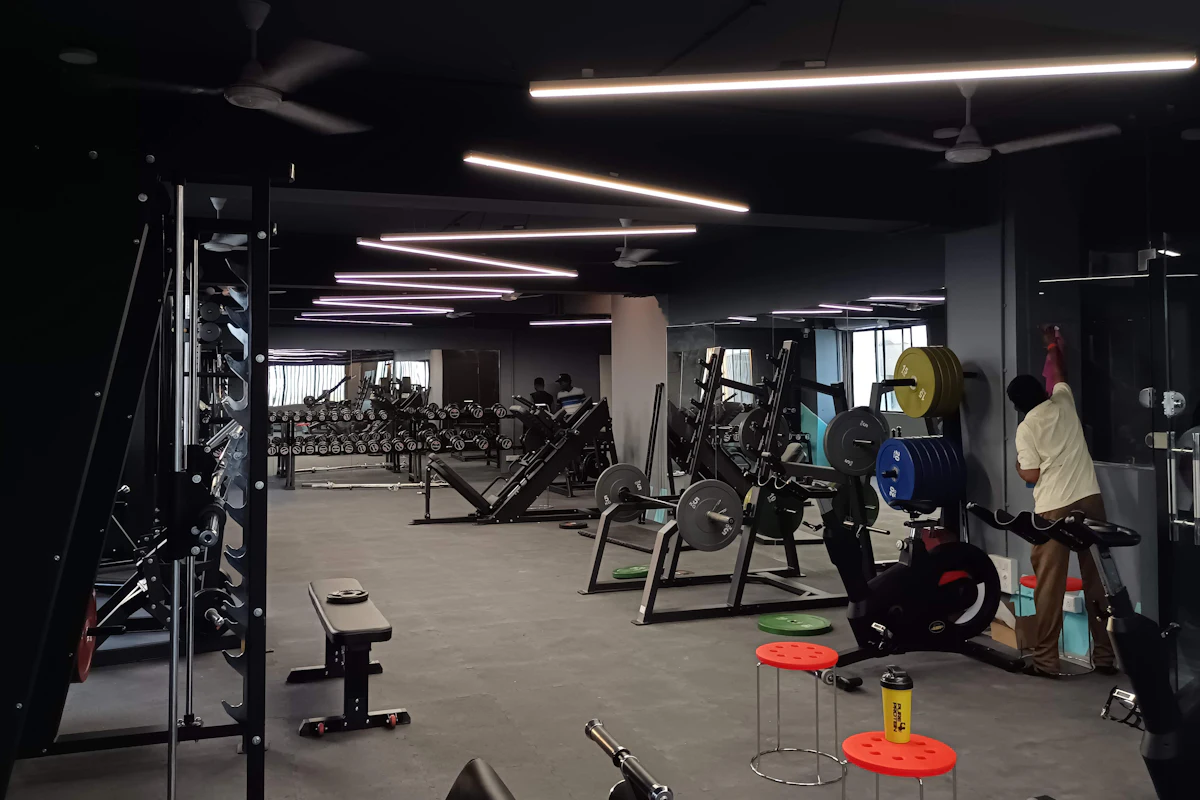
Big-box and multi-purpose gyms
The largest files and equipment lists; thousands of memberships mean concentration is not the issue. The lease, equipment replacement and slow season are.

Boutique cycle, yoga, pilates and barre
Smaller rosters paying more per head; revenue rides on a few instructors and class times. Reformers and bikes lead short, costly equipment lists; amounts run below big-box.
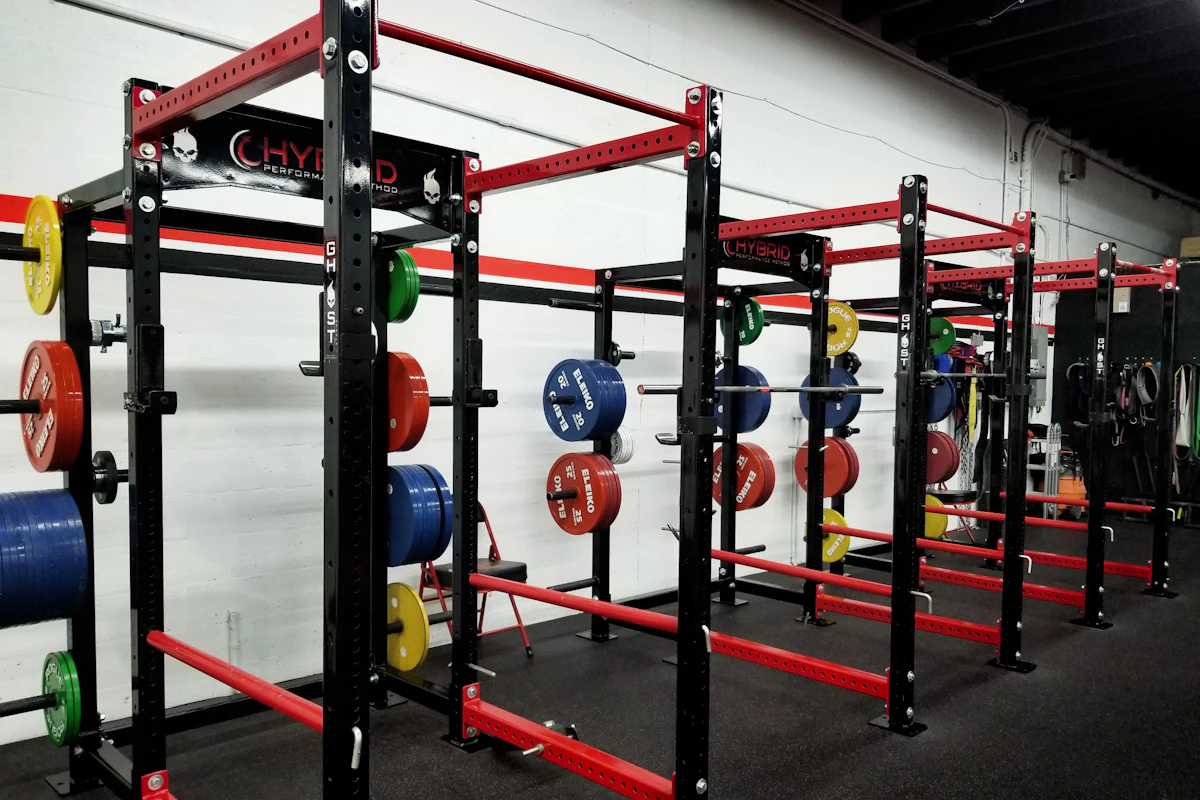
Strength and functional-fitness gyms
Equipment-led (rigs, platforms, plates, turf), often on a shorter industrial lease. The equipment holds its value, which helps, and the build-out is usually lighter than a boutique's.
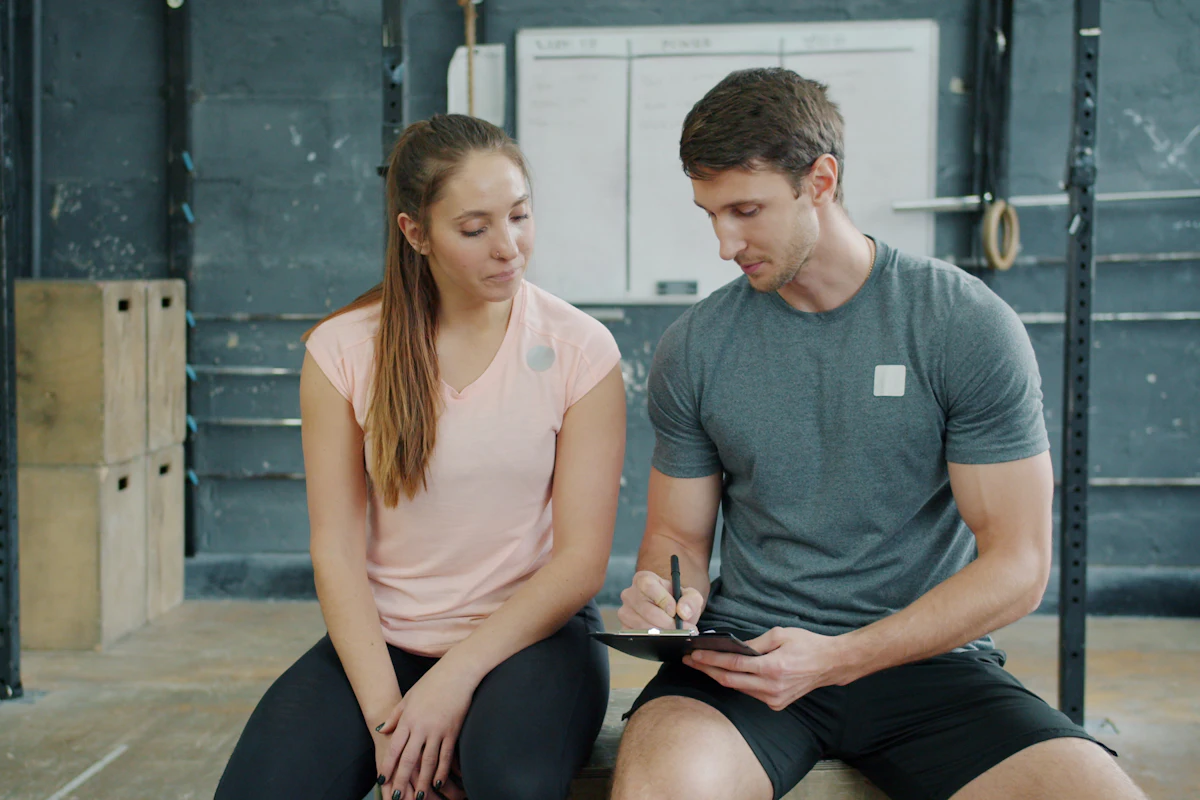
Personal training and small-group studios
The smallest files on the page, often one or two owners with a short client list. These are read almost entirely on deposits, and the honest answer is frequently a small first amount with a renewal path rather than the number the owner asked for.
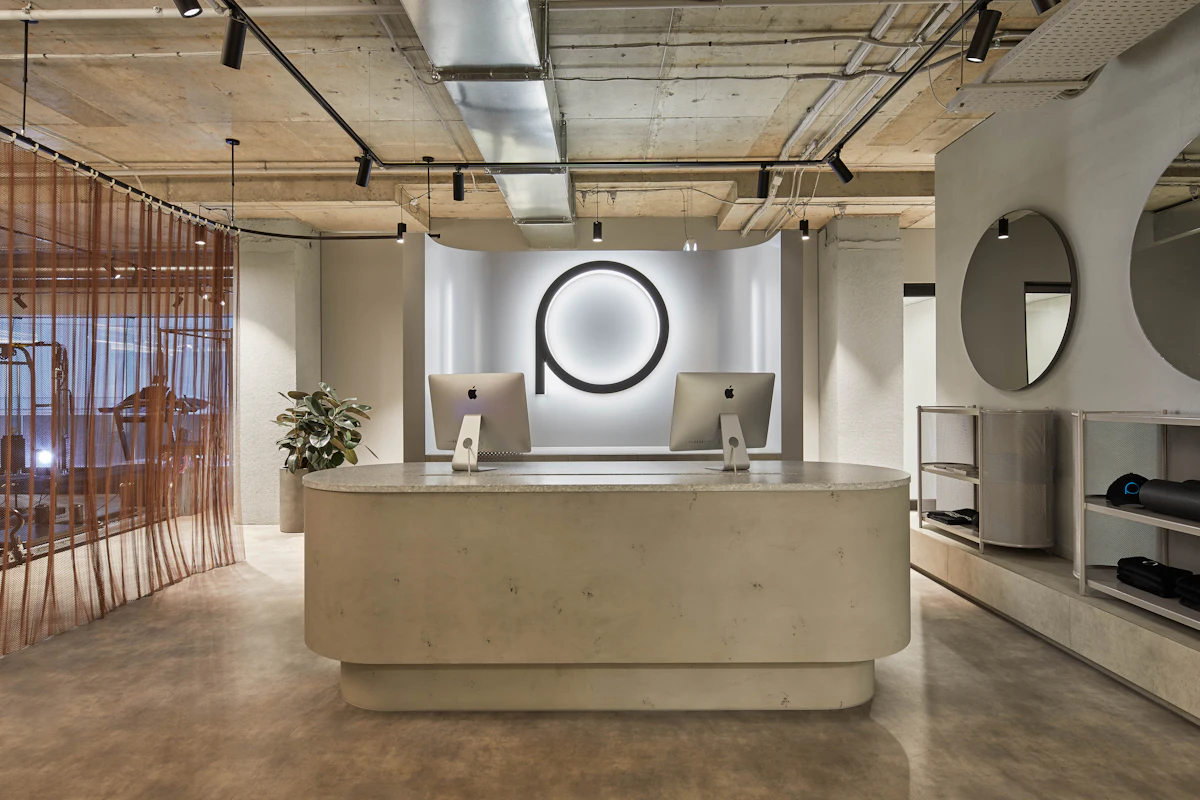
Franchised fitness
The brand sets the equipment package, the fit-out standard and the fees, which makes the amount knowable in advance. Providers will want the franchise agreement, and the brand's own approval is a step in any transfer or second unit.
What does a gym need to apply?
Some providers consider applications at these minimums. Meeting a minimum does not guarantee an offer. The application is a soft credit pull only.
12 mo
time in business
$15K
monthly revenue
525
credit considered from
3 mo
bank statements
5 min
application
Bring, on top of the statements
- A government ID
- More statements in some states: four in CA, NY, FL and GA with some providers
- The membership picture. Active members, average length of stay, and what the last January intake looked like a season later.
- The vendor quote, for equipment. Vendor, model, quantity, serial numbers where they exist, delivery and installation.
- The lease. Term remaining, the rent, and any option to extend, because the lease caps the schedule.
- The franchise agreement, where there is one, with the required equipment package.
- A number and a purpose. Providers ask what the money is for and some restrict certain uses, so state it on the application. "Replacement cardio and the January campaign" reads better than "working capital".
Capital Gurus is not a lender. We collect your application, present it to funding providers in our network, and help you compare the offers they make. Each provider sets its own rates, fees and terms, which are disclosed in that provider's agreement.
Frequently asked questions
In short
Membership revenue is predictable, so gyms and studios are funded mainly on deposits. Working capital financing leads, often as revenue-based financing, with equipment financing behind it. Acceptance is genuinely mixed: some providers in our network prefer fitness and a few decline it outright. Providers consider $10K to $10M.
Can a gym or fitness studio get financing?
Usually, yes, but acceptance is mixed and worth knowing in advance. Some providers in our network treat fitness as preferred business because recurring membership billing is easy to verify. A few decline the category outright. One application reaches the providers whose guidelines accept it, which is the main reason not to apply to several providers one at a time.
How much can a gym get, and what decides it?
Deposits decide it first. Providers in our network consider $10K to $10M across all products, and up to $10M for strong files on working capital, depending on the funding provider. Equipment is sized against the machines instead: some providers consider up to $500K on the application alone and up to $5M with full documentation. Meeting a minimum does not guarantee an offer, and the top of any range belongs to full-documentation files.
Can I finance a build-out or a second location?
Partly, and the distinction matters. Equipment is financeable because the asset secures the deal and can be resold. Leasehold work — flooring, plumbing, showers, walls — is not collateral, so it is funded out of working capital or a term structure sized on your revenue. Expect the equipment half to move faster and reach further than the construction half.
What do providers look at on a gym's file?
Deposit consistency across complete months, then the shape of the membership base: how many members, how long they stay, and whether the January intake holds past March. After that, negative balance days, financing already in repayment, your credit profile and the term left on your lease. Where the billing platform deposits the money matters too.
What if the owner's home equity is stronger than the gym's numbers?
There is a second path. A home equity line of credit is consumer credit secured by your home, issued by a third-party lender that makes the credit decision, funds the line and services it. Capital Gurus only refers. It is the heavier option, because the house is the collateral, and it suits owners whose personal position is stronger than the business file.
Can a new gym that is still filling memberships qualify?
Some providers in our network consider applications from 12 months in business with $15,000 in monthly revenue and credit from 525. A gym younger than that is usually looking at equipment financing against the machines, a smaller first amount, or the startup path rather than a working capital structure sized on a full year of deposits.
Still have a question?
talk to a funding advisorDecisions from some providers the same day, depending on the provider.
Subject to provider approval and document turnaround.
about 5 minutes, soft credit pull only · Talk to a funding advisor