
Gas Station Business Loans and Financing: Fuel Inventory, Store Upgrades and Site Purchase
Working capital for fuel, store inventory, pump work and payroll, often collected from card sales.
Soft credit pull only, no obligation
- Same-day decisions
- from some providers
- Subject to provider approval and document turnaround.
- 700+
- industries served
- Reviews
- Load paid for
- Pumps sell it
- Card revenue settles
As it sells
Bridged by working capital financing for gas stations
Rates, factor rates, fees and terms are set by the funding provider that makes your offer and are disclosed in that provider's agreement. Figures on this page are illustrative ranges from providers in our network, not offers.
The structure that fits first
- Lead productWorking capital
The usual umbrella: fuel, inventory, payroll, a slow month
Fuel sales are almost all card, so the deposit record is easy for a provider to verify and to collect a remittance from, and it is read first.
working capital financing for gas stations - Equipment financing
Dispensers, coolers, canopies, car-wash gear: the asset secures the deal
For dispensers, coolers, canopies, lighting and car-wash gear, equipment financing lets the asset secure the deal, with the schedule matched to its working life.
equipment financing - SBA loan
Buying a site, or buying the real estate under one you lease
For buying a site, the usual route is an SBA loan from a participating lender — a slower, more documented path, and one where we prepare and refer rather than decide.
an SBA loan from a participating lender
Decisions from some providers the same day, depending on the provider.Subject to provider approval and document turnaround.
The numbers before you apply
Typical amount
$10K–$10M
Across the products in our network
Working capital
Up to $10M
For strong files — fuel deliveries, store inventory, payroll
Speed
As fast as 6 hours
Same-day decisions from some providers; funding as fast as 6 hours, subject to provider approval and document turnaround
Amounts considered by providers in our network, depending on the funding provider. Not an offer. Cost is stated on each product page.
What do gas stations use financing for?
- Most common
Fuel deliveries
A load is paid for before the pumps turn it into card revenue; the gap widens as wholesale prices rise.
Inside-store inventory
Beverages, beer and wine, snacks, tobacco and the food-service program, which carry the margins that pay the bills.
Pumps, coolers, forecourt
Dispensers, card readers, coolers and a beer cave, canopy and lighting, air and vacuum, and a point-of-sale system.
Tanks, lines and compliance
Monitoring equipment, tank testing, line repairs and remediation, on a schedule the regulator sets, not you.
A car wash or a food-service build-out
The upgrades most likely to change a site's economics, and to need a term structure.
A rebrand or an image program
Where a fuel supplier requires a refresh, the cost arrives on the supplier's timetable.
Buying a site, or buying a second one
A different problem, a different product and a different timetable, covered below.
Payroll and rent through a slow stretch
Road works, a competitor's price war, a seasonal road, a month of bad weather.
What do providers look for in a gas station file?
Deposit volume is easy, margin is not
Fuel moves a very large top line at a very thin margin, and bank deposits show only the top line.
More: Deposit volume is easy, margin is not
A provider that sizes an offer from deposits alone can arrive at an amount the business cannot comfortably carry, because the gross profit behind those deposits is a small share of them. Before you accept anything, measure the remittance against the gross profit the inside store and the fuel margin actually produce.
Inside sales carry the file
The share of gross profit earned inside the store, not at the pumps, is the most useful figure to show a provider.
More: Inside sales carry the file
Bring it.
Card settlements
Steady card settlements in every month outweigh one strong month when a provider reads the statements.
More: Card settlements
They also make a holdback on card sales simpler to place.
Price volatility
When the wholesale price rises, deposits rise while profit does not.
More: Price volatility
Providers that know the segment adjust for it; be ready to explain a jump in revenue that was not a jump in earnings.
Lease or ownership
Lease term, landlord and site ownership shape what can be secured, and how much.
More: Lease or ownership
Bring the lease or the deed on larger requests and on anything tied to the premises.
The fuel supply agreement
Branded sites carry supply, pricing and image obligations.
More: The fuel supply agreement
Those commitments belong in the conversation, because they affect both cash flow and resale.
Environmental and tank questions
On a purchase, expect diligence on the tanks, the lines, the monitoring records and any history of a release.
More: Environmental and tank questions
Environmental findings are the most common reason a site acquisition slows down or stops, and that diligence is for your protection as much as the lender's.
Licenses
Fuel, tobacco, beer and wine, lottery and food service: whichever the site holds, each one has to be current.
More: Licenses
Lapsed or pending licenses stall a file.
Existing positions and statement quality
Funding already remitting reduces what a provider adds, and it will be found in the statements.
More: Existing positions and statement quality
List it up front, and send complete statements: partial months, missing pages or screenshots stall a file.
Worked example
A station wants to replace its coolers and restock the inside store before summer, and asks for an advance against card settlements. The arithmetic on an advance is simple: the funded amount multiplied by the factor rate gives the payback amount, and the difference between the two is the cost.
Funded amount
$120,000
Factor rate
Set by the provider
Payback amount
$153,600
- Cost of the advance
- $33,600
- Remittance
- A fixed daily ACH, or an agreed percentage of card settlements
- Estimated payback period
- 3 to 18 months
Illustrative example, not an offer. Factor rates, fees and remittance schedules are set by the funding provider that makes your offer and are disclosed in that provider's agreement. An advance is not a loan and carries no interest; any annualized figure is shown for comparison only.
The fuel side and the store side
Fuel
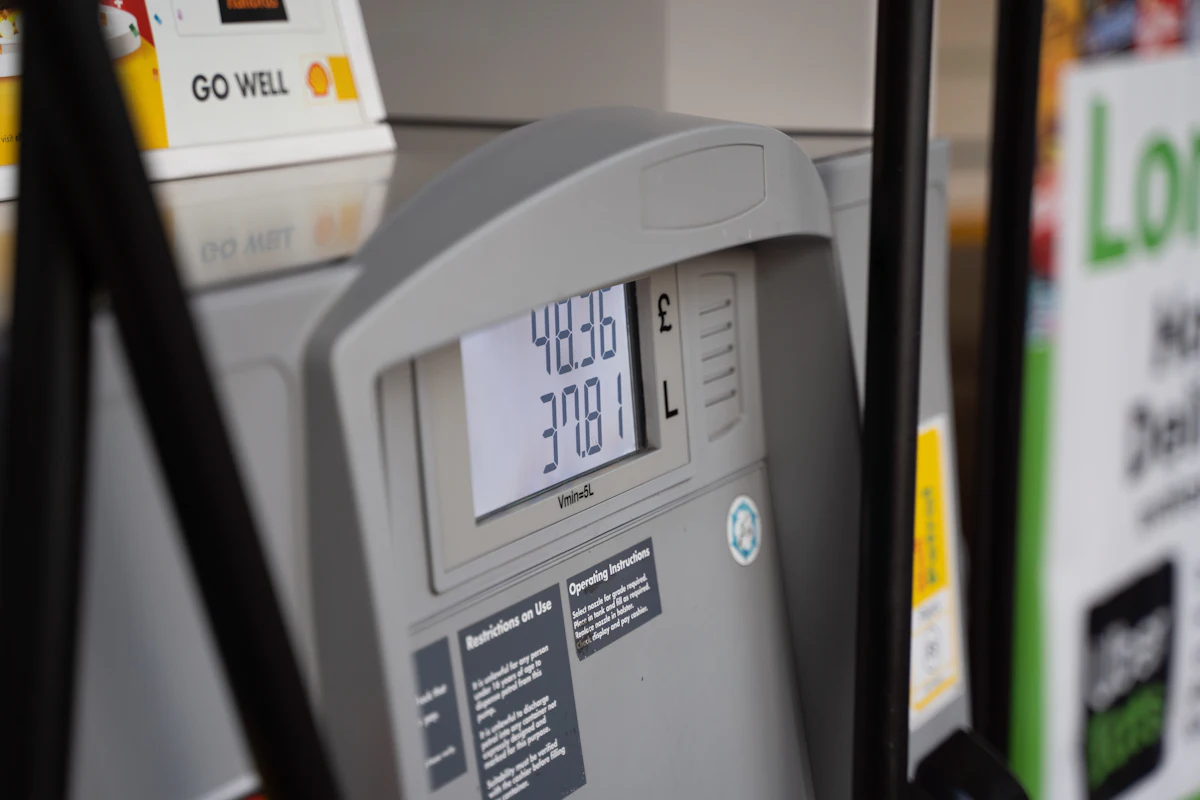
High volume, thin margin, priced against the street and squeezed by card fees. It drives traffic and it drives deposits, but it rarely carries a payment schedule on its own.
Inside sales and food service
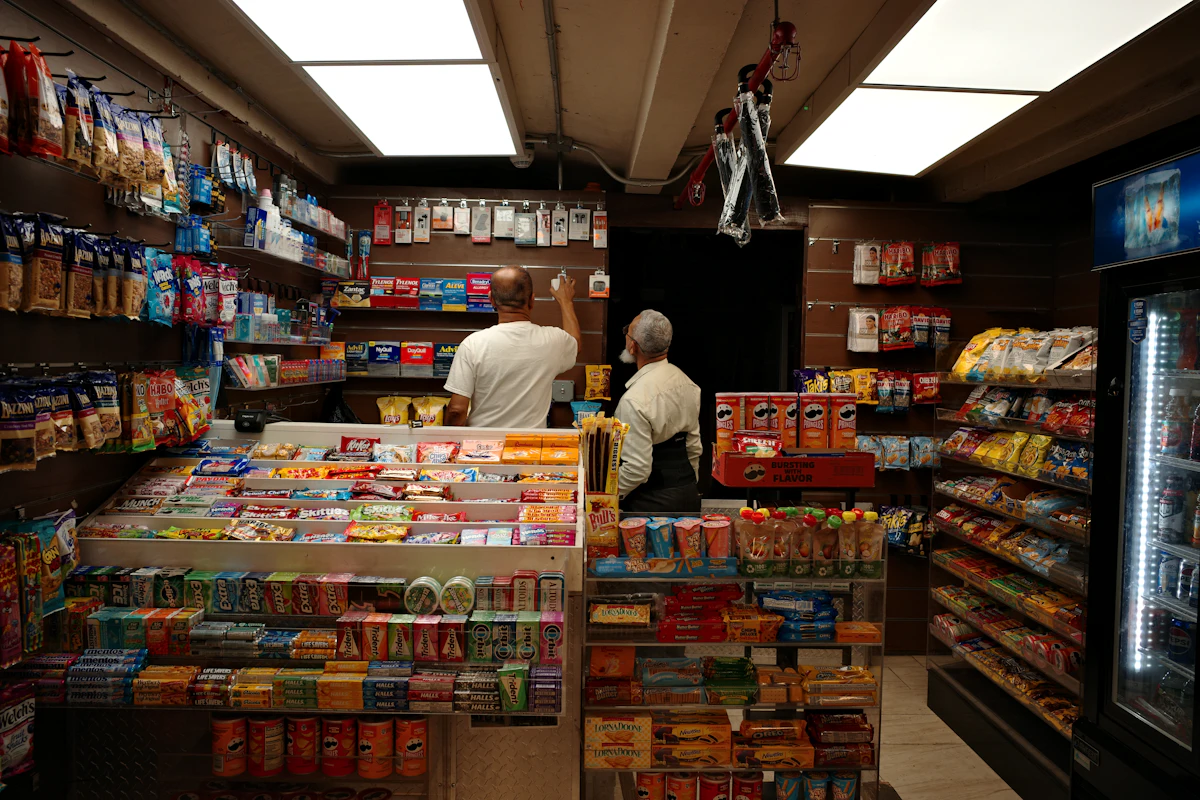
Far less revenue, far better margin. This is where an upgrade usually pays for itself, and it is the side of the business a well-prepared application leads with.

Car wash
Equipment-heavy, seasonal in much of the country, and a strong candidate for equipment financing because the asset is identifiable and securable.
Truck stops and high-volume sites
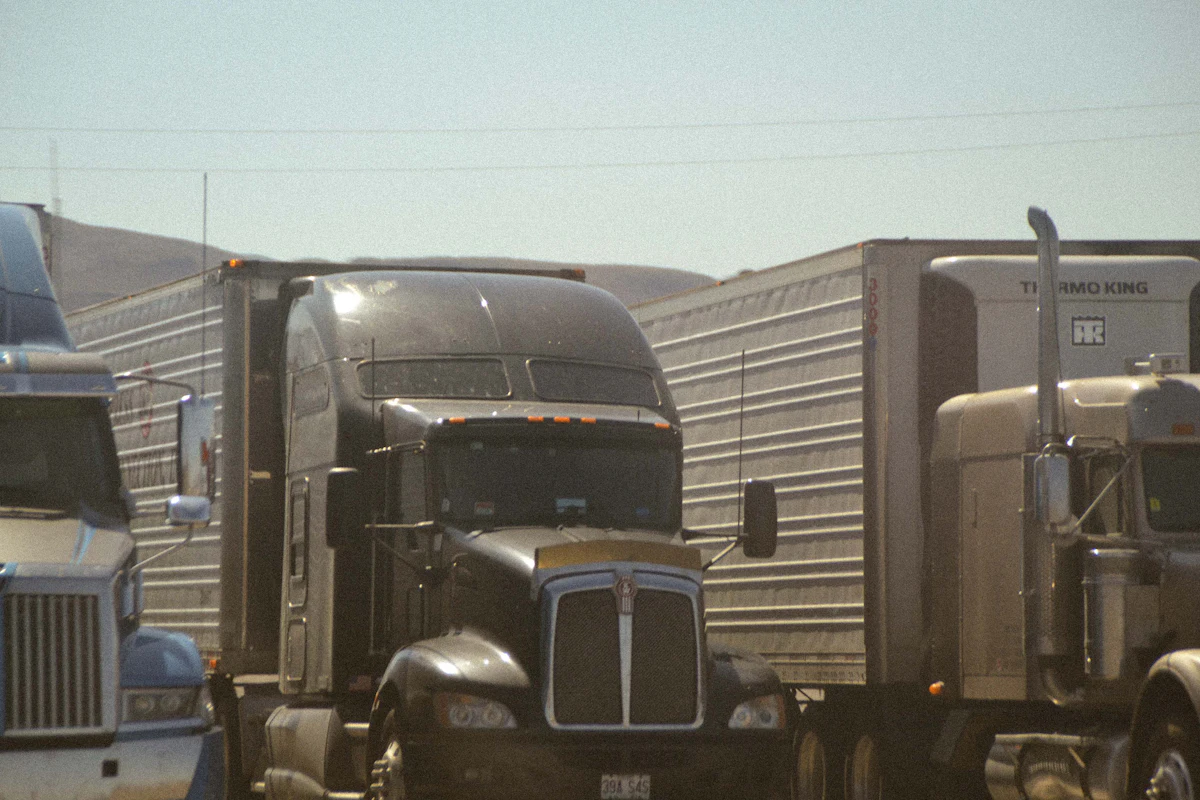
Larger requests, fuel cards and fleet accounts, and more documentation; the file reads more like a mid-sized business than a single store.

Unattended and cardlock sites
No inside sales to lean on, so the file rests entirely on fuel volume and whatever margin it carries.
What does a gas station need to apply?
Some providers consider applications at these minimums. Meeting a minimum does not guarantee an offer. The application is a soft credit pull only.
12 mo
time in business
$15K
monthly revenue
525
credit considered from
3 mo
bank statements
5 min
application
Bring, on top of the statements
- A government ID
- More statements in some states: four in CA, NY, FL and GA with some providers
- Inside-store and fuel figures separately. Volume, gross margin and the share of gross profit that comes from inside the store. This is the surest way to be sized on profit rather than on deposits.
- The lease or the deed, and the fuel supply agreement. Needed on larger requests, on anything tied to the premises and on every purchase.
- Licences and compliance records. Fuel, tobacco, beer and wine, lottery, food service, plus tank monitoring and testing records on a purchase or a tank project.
- Existing positions. List anything already remitting. It will be found in the statements, and finding it late costs days.
Capital Gurus is not a lender. We collect your application, present it to funding providers in our network, and help you compare the offers they make. Each provider sets its own rates, fees and terms, which are disclosed in that provider's agreement.
Frequently asked questions
In short
Gas stations fund fuel deliveries, convenience-store inventory, pump and canopy work and payroll with working capital, often a revenue-based advance collected from card settlements. Providers in our network consider $10K–$10M across products, with same-day decisions from some providers. Buying a site is a separate and much slower path.
What financing do gas stations usually get?
Working capital, most often a revenue-based advance collected from card settlements, because fuel sales are almost entirely card and easy for a provider to verify. Equipment financing covers dispensers, coolers, canopies and car-wash gear, where the asset itself secures the deal. Buying a site is normally an SBA application through a participating lender, which is a slower and more documented route.
Why does a station with high revenue get offered less than it expects?
Because the top line is mostly fuel sold at a thin margin. A provider that sizes only on deposits can produce an amount the business cannot comfortably carry, since the gross profit behind those deposits is a small share of them. Judge any remittance against the gross profit the inside store and the fuel margin actually produce, not against total deposits.
Can I finance buying a gas station?
Usually through an SBA loan from an SBA-participating lender, and the realistic expectation is weeks, not days: the lender and the SBA both review the file, and a site purchase adds environmental, tank and lease diligence on top. Capital Gurus is not an SBA lender; SBA loans are made by SBA-participating lenders. We can help you prepare the application and refer you; the lender makes the decision and sets the terms.
Do providers treat the fuel side and the store side differently?
Yes, and it is worth separating them yourself before you apply. Fuel is high volume and thin margin, priced against the street and squeezed by card fees. Inside sales, food service and the car wash carry much better margins on far less revenue. Underwriting that understands the difference sizes the deal on the profitable side of the business.
Can a station with weak credit get funding?
Often, yes, but the structure changes rather than the answer. Some providers consider credit from 525 with 12 months in business and $15,000 in monthly revenue. At that profile the realistic offer is usually an advance against card settlements rather than a term loan, with a shorter payback and a smaller first amount.
How fast can a station be funded?
same-day decisions are available from some providers, and funding as fast as 6 hours in some cases, subject to provider approval and document turnaround. An advance reviewed on bank statements moves quickest. Equipment financing takes longer where the asset has to be invoiced and inspected, and an SBA application for a site takes weeks, not days. Complete statements are the one part you control.
Still have a question?
talk to a funding advisorDecisions from some providers the same day, depending on the provider.
Subject to provider approval and document turnaround.
about 5 minutes, soft credit pull only · Talk to a funding advisor