

Daycare and Childcare Business Loans and Financing: Licensing, Staffing, Facility Work and Working Capital
Working capital for payroll between enrollment cycles, with SBA and equipment routes behind it.
Soft credit pull only, no obligation
- Same-day decisions
- from some providers
- Subject to provider approval and document turnaround.
- 700+
- industries served
- Reviews
- Teachers paid
- Softer summer
- Autumn enrolment
Months later
Bridged by working capital financing for daycare and childcare centres
Rates, factor rates, fees and terms are set by the funding provider that makes your offer and are disclosed in that provider's agreement. Figures on this page are illustrative ranges from providers in our network, not offers.
The structure that fits first
- Lead productWorking capital
Sized from tuition deposits rather than from a forecast; covers payroll, rent and a licensing deadline
For when the September intake is six weeks away and August payroll is not.
working capital for daycare centers - SBA loans
Buying a center or buying the building: an acquisition, on the longest schedules
When the plan is to buy a center or a building.
SBA loans for daycare centers - Equipment financing
A playground, a classroom fit-out or a van secures its own deal, so tuition stays in the business
For a playground, a classroom fit-out or a van.
equipment financing for daycares
Decisions from some providers the same day, depending on the provider.Subject to provider approval and document turnaround.
The numbers before you apply
Typical amount
$10K–$10M
Across the products in our network
Working capital amount
Up to $10M
For strong files, depending on the funding provider
Speed
As fast as 6 hours
Same-day decisions from some providers; funding as fast as 6 hours, subject to provider approval and document turnaround
Amounts considered by providers in our network, depending on the funding provider. Not an offer. Cost is stated on each product page.
What do daycare and childcare centres use financing for?
Five requests account for most of what centre owners ask about, and four of them are about timing rather than growth.
Payroll and rent between enrollment cycles
Teachers are paid every two weeks; enrollment moves with the school calendar.
More: Payroll and rent between enrollment cycles
Payroll runs whether the classroom is full or not: a strong fall, a softer summer, and a gap in between that is predictable in shape and awkward in cash. This is the clearest case for working capital.
Licensing and facility requirements on a deadline
A fire inspection, fence, bathroom change, sprinkler or play-area resurfacing.
More: Licensing and facility requirements on a deadline
These are not optional spending, and they usually arrive with a deadline attached rather than a budget.
Classroom fit-out, playground and vehicles
Cots, cubbies, tables, outdoor play equipment and a van for the school runs.
More: Classroom fit-out, playground and vehicles
Financed against the asset: a playground that lasts a decade should not come out of one term's receipts.
Opening a second site, or buying a center
Rent and fit-out on a licensed site not yet enrolled, or buying out a retiring owner.
More: Opening a second site, or buying a center
These are full-documentation files, and they take longer than anything else on this list.
Bridging late subsidy and voucher payments
When a state program pays for some families, the money lands long after it is earned.
More: Bridging late subsidy and voucher payments
Nothing about running the centre pauses while you wait.
What do providers look for in a daycare file?
That spread is the argument for one application to a network rather than six applications to six providers.
Deposits and the school calendar
Tuition arrives weekly or monthly from many small payers, which is a pattern providers like.
More: Deposits and the school calendar
Seasonality is expected here and is read as a pattern rather than a decline — but the pattern has to be visible, which is why complete months matter more in this trade than in a card-heavy retail file.
The license, and what it caps
Your state childcare license is verifiable, and providers verify it.
More: The license, and what it caps
It also sets the ceiling on the business: licensed capacity caps enrolment, and staff-to-child ratios cap what you can serve today. Financing does not lift either cap. Say plainly on the application what the money unlocks — places you are licensed for but cannot currently staff or house — because "working capital" on its own reads worse than a specific answer.
Staffing as the real constraint
In most centers the limit is not demand or space: it is finding and keeping qualified staff.
More: Staffing as the real constraint
A provider that understands the trade knows that a classroom sitting empty for want of a teacher is a hiring problem with a cash-flow symptom, and will size the offer against the tuition the roll actually produces, not the tuition a full licence would produce.
Subsidy and voucher timing
Where part of your revenue comes through a state program, expect questions about it. Those payments are reliable in substance and late in practice.
More: Subsidy and voucher timing
The lag is set by the state rather than by you. Providers read the gap as timing risk, not credit risk, when the statements show the money consistently arriving.
Acquisition, as its own exercise
Buying a centre is underwritten on the target as much as on you: the seller's financials, a valuation, the purchase agreement, the licence history and your own returns.
More: Acquisition, as its own exercise
Many of these files fit an SBA route through a participating lender, and the realistic expectation there is weeks, not days. Capital Gurus is not an SBA lender; SBA loans are made by SBA-participating lenders. If the need is this month's payroll, it is the wrong queue to join.
Worked example
A licensed centre with two classrooms standing empty for want of a fence and a teacher, eight weeks before the autumn intake. One application, two structures.
Working capital
$60,000
Payroll and rent until the autumn intake's tuition clears
Equipment financing
$45,000
Playground resurfacing, fencing and a classroom fit-out the inspection requires
Illustrative example, not an offer. Amounts, costs and schedules are set by the funding provider that makes each offer and are disclosed in that provider's agreement.
Sub-segments of childcare
Licensed centers and preschools
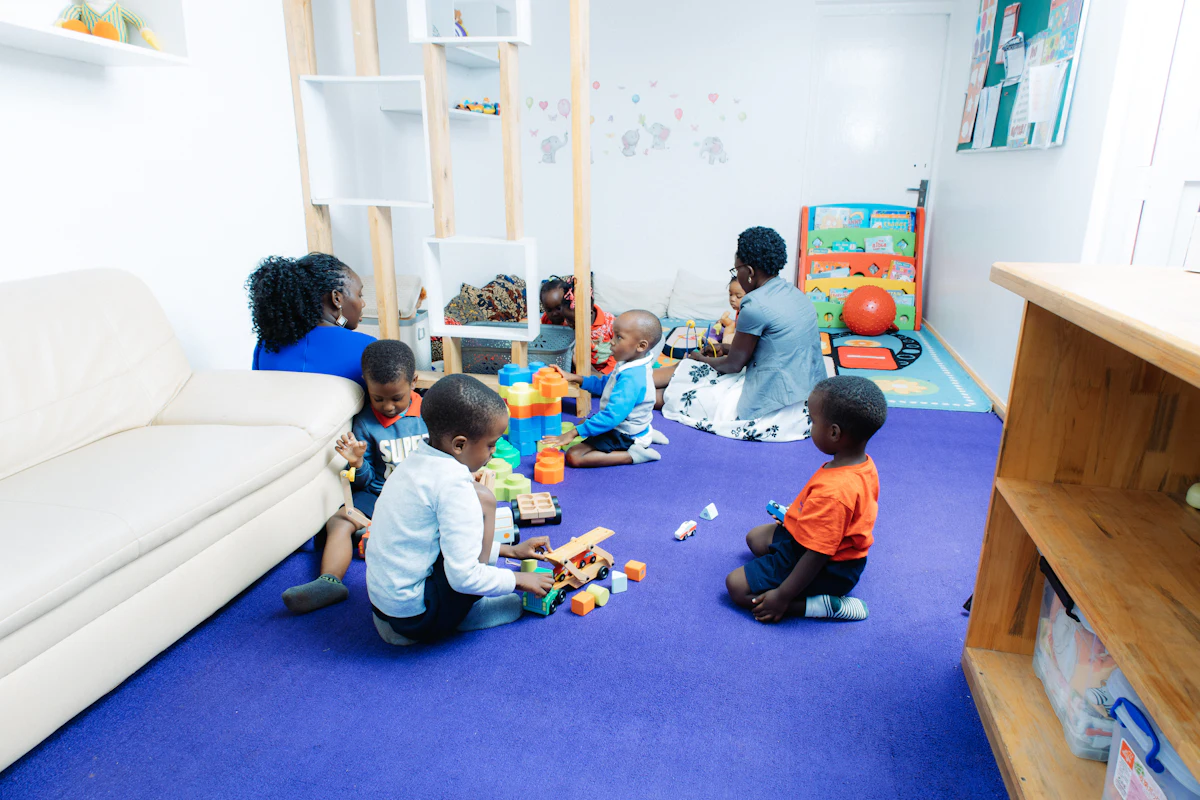
The core profile: a fixed site, licensed capacity, tuition from many small payers, payroll as the main cost. Working capital leads; a line of credit covers summer.

Home-based and family childcare
Smaller tickets, thinner records, and one usual decider: a business bank account. Tuition banked personally usually cannot be underwritten; there are no deposits to read.
Montessori and faith-based preschools
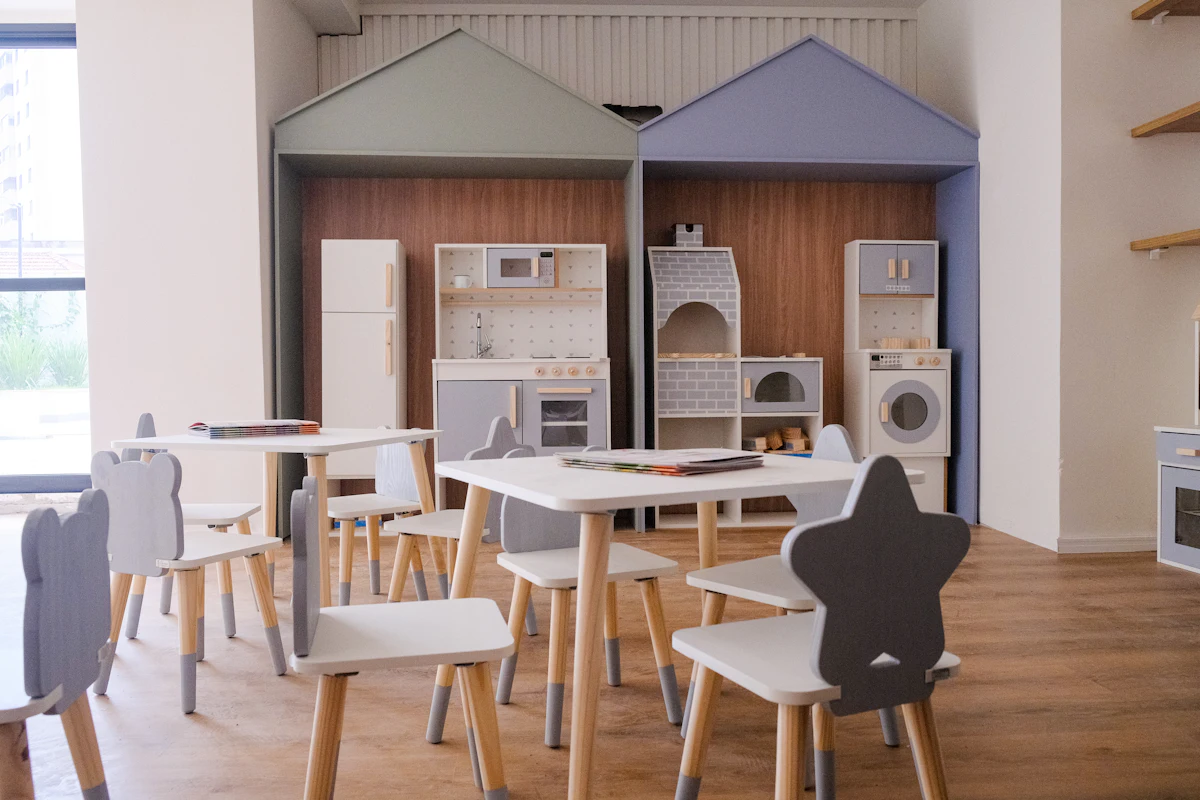
Private tuition, little or no subsidy, deposits that track enrollment: like other private preschools, these read as service businesses, not program-funded ones, and place well.

After-school care, summer camps and enrichment programmes
The sharpest seasonality in the sector: a few intense months and a long quiet stretch. Providers size against the full year rather than the peak, so the amount can feel conservative against a busy summer.

Franchised and multi-site operators
Larger files, full documentation, and real estate or acquisition in the mix. These are the centres most likely to reach a term loan or an SBA conversation.
What does a daycare centre need to apply?
Some providers consider applications at these minimums. Meeting a minimum does not guarantee an offer. The application is a soft credit pull only.
12 mo
time in business
$15K
monthly revenue
525
credit considered from
3 mo
bank statements
5 min
application
Bring, on top of the statements
- A government ID
- More statements in some states: four in CA, NY, FL and GA with some providers
- Your state childcare licence. The number, the licensed capacity and the current expiry. A licence in a previous entity's name stalls a file faster than a weak month does.
- Current enrolment and the roll. How many places are licensed, how many are filled, and how many are waiting.
- The vendor quote, for equipment. Vendor, model, delivery and installation cost.
- Tax returns and financial statements, for anything large. An acquisition, a building or the top of any range is a full-documentation file. What providers ask for in an application lists what that means in practice.
- A number and a purpose. Providers ask what the funds are for, and a specific answer — a named deadline, a classroom, a vehicle — reads better than "working capital".
Capital Gurus is not a lender. We collect your application, present it to funding providers in our network, and help you compare the offers they make. Each provider sets its own rates, fees and terms, which are disclosed in that provider's agreement.
Frequently asked questions
In short
A childcare centre borrows for timing, not for profit: payroll between enrolment cycles, a licensing requirement, a playground, a van. Working capital financing is the lead product for this industry, with an SBA route for buying a centre and equipment financing behind it. Providers in our network consider $10K–$10M, depending on the funding provider.
How much financing can a daycare or childcare centre get?
Tuition deposits set the number first, then the structure and your documents. Across all products, providers in our network consider $10K to $10M, depending on the funding provider, with working capital reaching up to $10M for strong files. Equipment is sized against the asset instead: some providers consider up to $500K on the application alone. Meeting a minimum does not guarantee an offer, and the top of any range belongs to fully documented files.
Can a centre get funding while a state subsidy payment is late?
Yes, and it is one of the most common reasons centres apply. Subsidy and voucher money arrives on the state's timetable, not on your payroll date, and providers read bank statements knowing that. What they look for is that the deposits do arrive, month after month. A line of credit suits a lag that repeats better than a lump sum does.
Will financing let my centre enrol more children?
Only indirectly, and this is worth being honest about. Your licence caps how many children you may care for, and staff-to-child ratios cap how many you can actually serve today. Money does not lift either limit. What it can do is pay for the classroom, the facility work or the staff you need before the licensed places are filled and the tuition follows.
Can I use financing to buy a daycare centre?
It can be done, and it is a separate exercise from working capital. Expect to produce the seller's financials, a valuation, the purchase agreement, the licence history and your own tax returns. Many of these files fit an SBA loan from a participating lender, which takes weeks rather than days. Capital Gurus is not an SBA lender; SBA loans are made by SBA-participating lenders. We help you prepare the application and refer you.
What do providers ask a childcare business for?
At minimum three months of bank statements plus a government ID. Beyond that, expect to show your state childcare licence, the entity documents and your current enrolment. Equipment requests need the vendor quote. An acquisition needs the target's numbers. Complete months and all pages matter more than any single document, because partial statements stall a file longer than a weak month does.
Can a centre that has not been open long apply?
Some providers in our network consider applications at 12 months in business with $15,000 in monthly revenue and credit from 525. A centre younger than that is usually looking at equipment financing against the asset, a smaller first amount, or the startup path rather than a long schedule. Licensing costs incurred before opening are the hardest piece to finance.
Still have a question?
talk to a funding advisorDecisions from some providers the same day, depending on the provider.
Subject to provider approval and document turnaround.
about 5 minutes, soft credit pull only · Talk to a funding advisor