
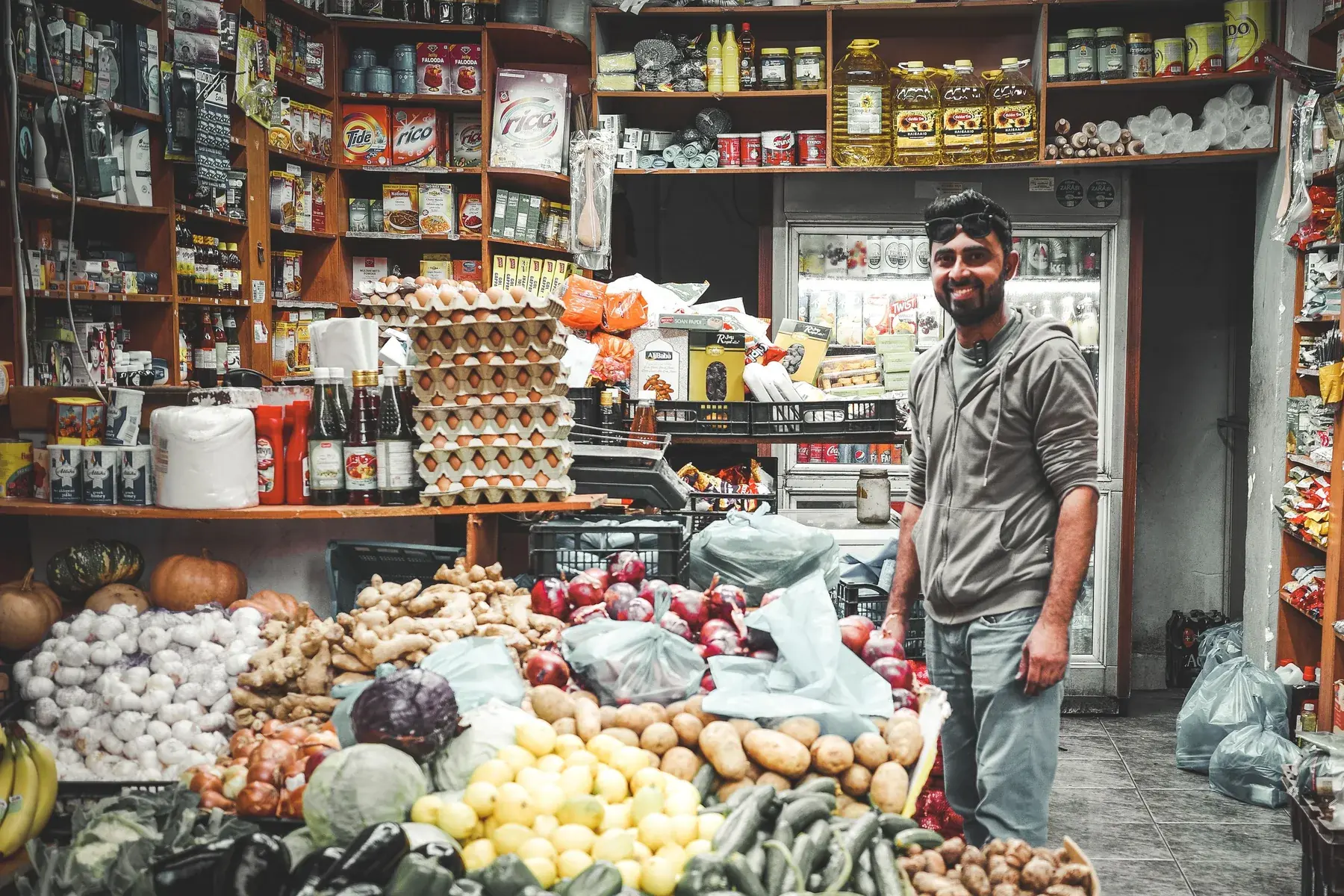
Grocery, Convenience and Liquor Store Business Loans and Financing: Inventory, Refrigeration and Working Capital
Working capital for inventory and payroll, equipment financing for coolers, and an SBA route to buy a store.
Soft credit pull only, no obligation
- Same-day decisions
- from some providers
- Subject to provider approval and document turnaround.
- 700+
- industries served
- Reviews
- Distributor paid
- Shelves full
- Customers pay
As it sells
Bridged by working capital financing for grocery and convenience stores
Rates, factor rates, fees and terms are set by the funding provider that makes your offer and are disclosed in that provider's agreement. Figures on this page are illustrative ranges from providers in our network, not offers.
The structure that fits first
- Lead productWorking capital
Sized from deposits and card sales; covers inventory, payroll and a supplier opportunity
Providers size it from your bank deposits and card settlements rather than a balance sheet, and a store's sales are frequent, mostly card and easy to verify.
working capital financing - Equipment financing
Refrigeration, freezers, shelving and point-of-sale secure their own deal, so cash stays in the business
For coolers, freezers, shelving and point-of-sale, equipment financing for grocery and convenience stores lets the asset secure its own deal and keeps cash in the till.
equipment financing - SBA loans
Buying a store, the building, or a licensed business; the longest schedules
Where the plan is to buy a store, a building or a licensed business, SBA loans for grocery and convenience stores are the slower and more documented route.
SBA loans for grocery stores
Decisions from some providers the same day, depending on the provider.Subject to provider approval and document turnaround.
The numbers before you apply
Typical amount
$10K–$10M
Across the products in our network
Working capital amount
Up to $10M
For strong files, depending on the funding provider
Speed
As fast as 6 hours
Same-day decisions from some providers; funding as fast as 6 hours, subject to provider approval and document turnaround
Amounts considered by providers in our network, depending on the funding provider. Not an offer. Cost is stated on each product page.
What do grocery and convenience stores use financing for?
Six requests account for most of what store owners ask about.
- Most common
Inventory and supplier terms
A bulk buy at a discount, a seasonal build before a holiday week, or the gap between paying a distributor and selling the pallet.
More: Inventory and supplier terms
This is the most common request, and the one where a few points of purchase discount can pay for the cost of the money.
Refrigeration
A walk-in that is failing, a cold aisle being extended, display cases, a freezer, an ice machine.
More: Refrigeration
Refrigeration is the defining capital item in this trade: expensive, with a resale market, and when it goes down the loss is stock as well as sales. It finances cleanly against the asset.
Remodels and expansion
A new layout, a deli or hot-food counter, a beer cave, lighting, flooring and signage across the sales floor.
More: Remodels and expansion
A known amount with a known end date, which is what a term loan is for.
Payroll and rent through a soft stretch
Clerks and a store manager are paid on a fixed cycle. Footfall is not, and a seasonal market has quiet months.
More: Payroll and rent through a soft stretch
Those months are predictable in shape and awkward in cash.
Buying a store, or a license
Buying out a retiring owner, taking over a second location, or acquiring a licensed business.
More: Buying a store, or a license
These are full-documentation files and they take longer than anything else on this list.
Point-of-sale, scales and security
A register system that tracks margin by category, scales, cameras, age-verification at the till.
More: Point-of-sale, scales and security
Small tickets with a direct effect on what the store keeps.
What do providers look for in a grocery or convenience store file?
That spread is the argument for one application to a network rather than six applications to six providers.
Volume first, margin second: reverse that
A store's statements look strong to a provider: money every day, mostly by card, and few quiet weeks.
More: Volume first, margin second: reverse that
That volume is genuinely an advantage, and it is why this trade places well. But the margin behind it is thin, and an amount sized purely on deposits can be more than the gross profit will comfortably carry. Test any remittance against what the shelves actually keep, not against what crosses the till.
What the deposits are not
Lottery sales, fuel sold for a supplier, money transfers, check cashing and ATM float lift the top line, not gross profit.
More: What the deposits are not
On lottery and fuel you keep a commission, not the sale. Separating those lines before you apply keeps you from accepting an amount sized against someone else's money.
Refrigeration as collateral, inventory as not
An equipment deal is tied to the equipment, so a cooler's value and resale market move the decision as much as credit does.
More: Refrigeration as collateral, inventory as not
Shelf inventory is different: it turns, it spoils and it is hard to secure, so it rarely carries a deal on its own even when it is the reason for the request.
Licenses, where the store is licensed
A liquor, beer-and-wine, tobacco or lottery license is verifiable, and providers verify it.
More: Licenses, where the store is licensed
A license in a previous entity's name, or one close to renewal, stalls a file faster than a weak month does. In an acquisition the license is a real asset — often a large share of what you are buying — but it transfers on the regulator's timetable. Plan the closing around that delay rather than the funding.
Acquisition, as its own exercise
Buying a store is underwritten on the target as much as on you: the seller's financials, a valuation and the purchase agreement.
More: Acquisition, as its own exercise
The lease and your own returns are read too. Many of these files fit an SBA route through a participating lender, and the expectation there is weeks, not days. Capital Gurus is not an SBA lender; SBA loans are made by SBA-participating lenders. If the need is this week's inventory, it is the wrong queue.
Worked example
An independent grocer with a failing walk-in cooler and a holiday inventory build in front of it. One application, two structures.
Equipment financing
$120,000
A replacement walk-in cooler and four refrigerated display cases, installed
The equipment secures the deal
Working capital
$75,000
Inventory build and extra payroll through the holiday weeks
Illustrative example, not an offer. Amounts, costs and schedules are set by the funding provider that makes each offer and are disclosed in that provider's agreement. Financed equipment may qualify for a depreciation deduction — consult a tax advisor.
Grocery, convenience, liquor and specialty food
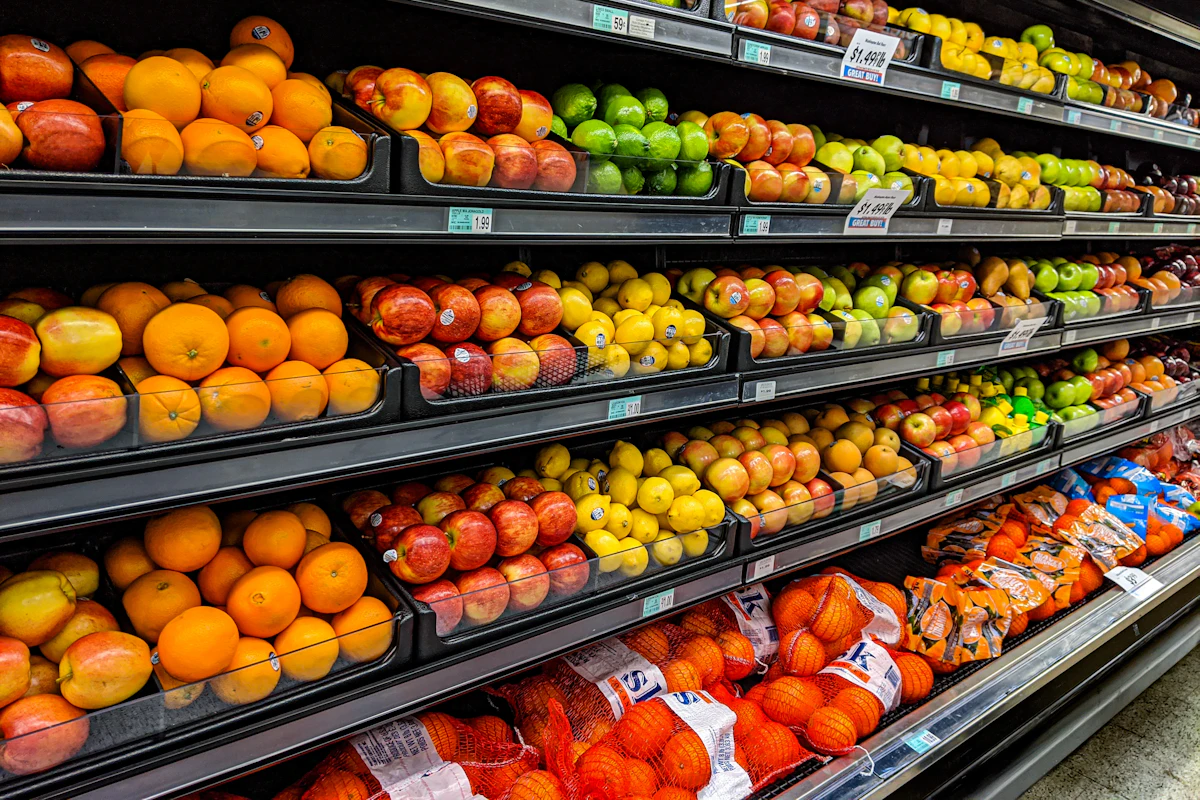
Independent grocers and supermarkets
The largest files: floor equipment, departments with different margins, a sizable payroll. Working capital leads, with equipment financing for the cold chain.
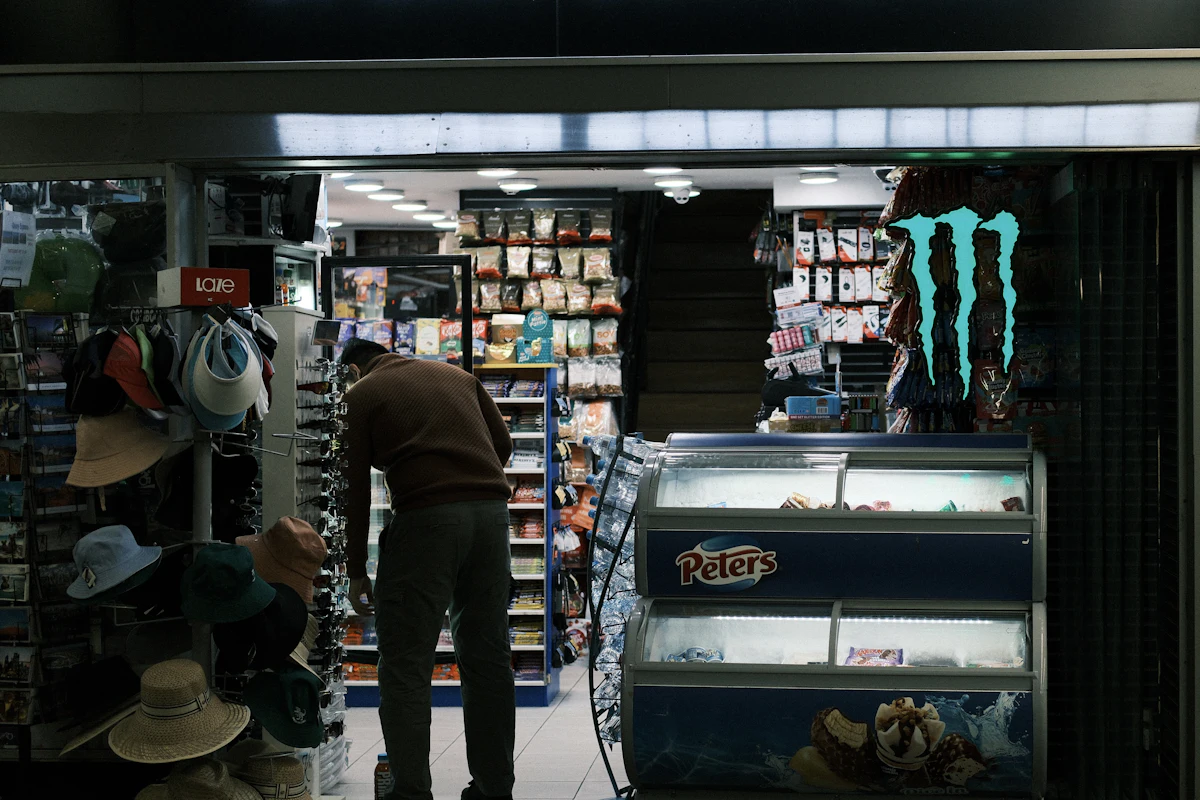
Convenience stores
Many transactions, small baskets, often lottery, tobacco and services, so separate commission income from sales. Selling fuel? See gas stations.
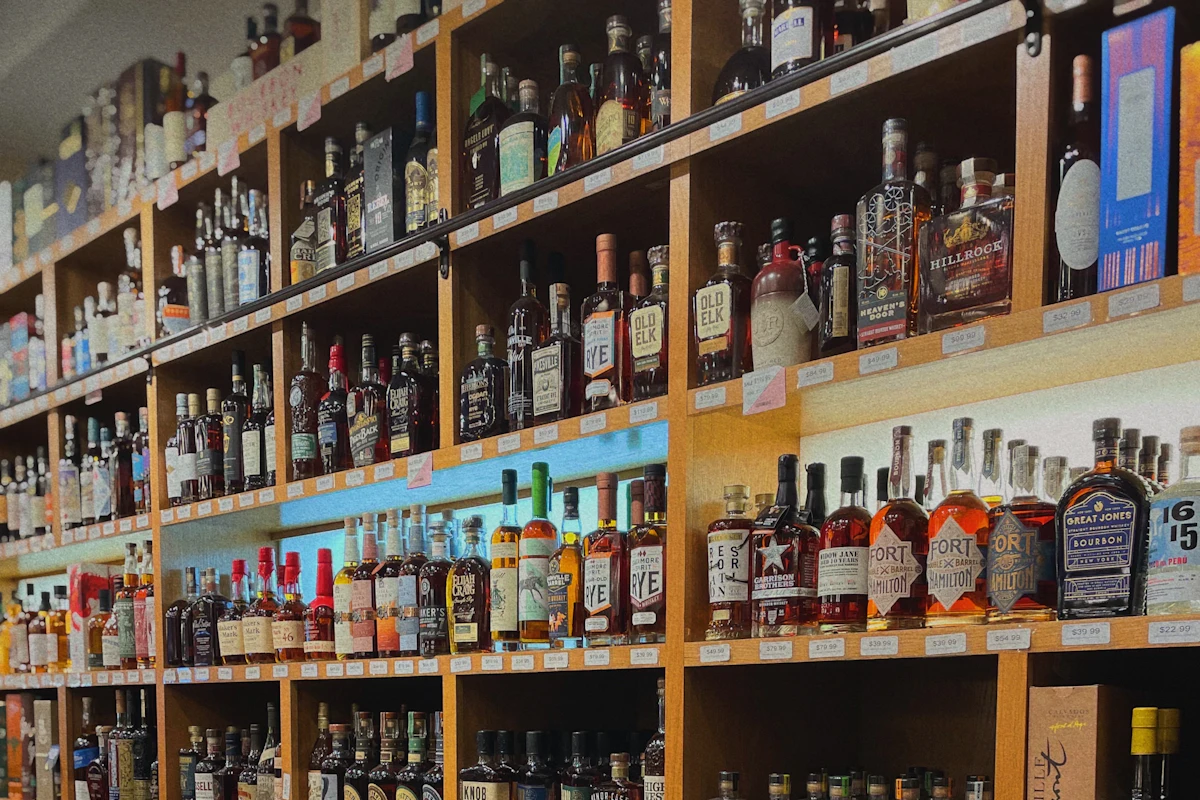
Liquor and beer-and-wine stores
Some providers in our network prefer licensed liquor stores: frequent, almost all-card sales, simple to verify. The license is the part of the file to get right.
Specialty food, ethnic grocers, butchers and bakeries
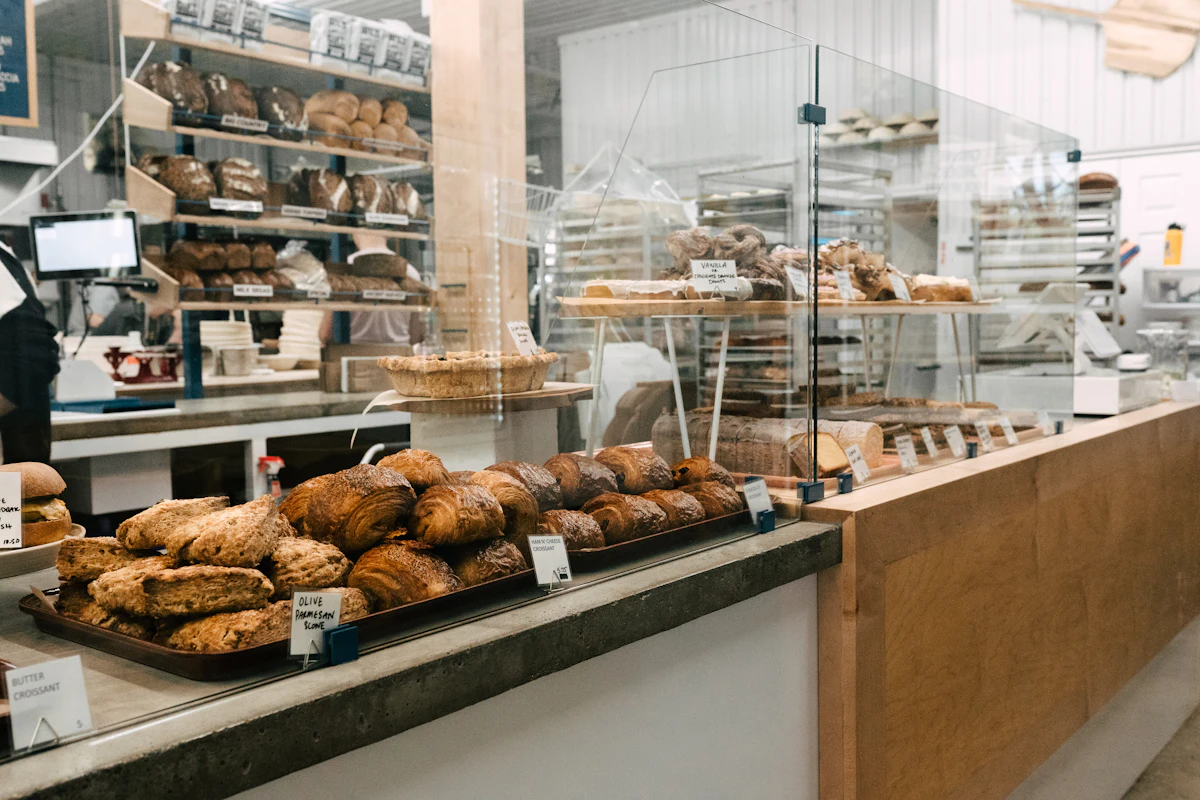
Smaller sites, stronger margins, more fresh stock and more equipment per square foot. With a kitchen, the file reads like food service; the restaurants page covers that side.
Stores with lottery, money transfer or check cashing
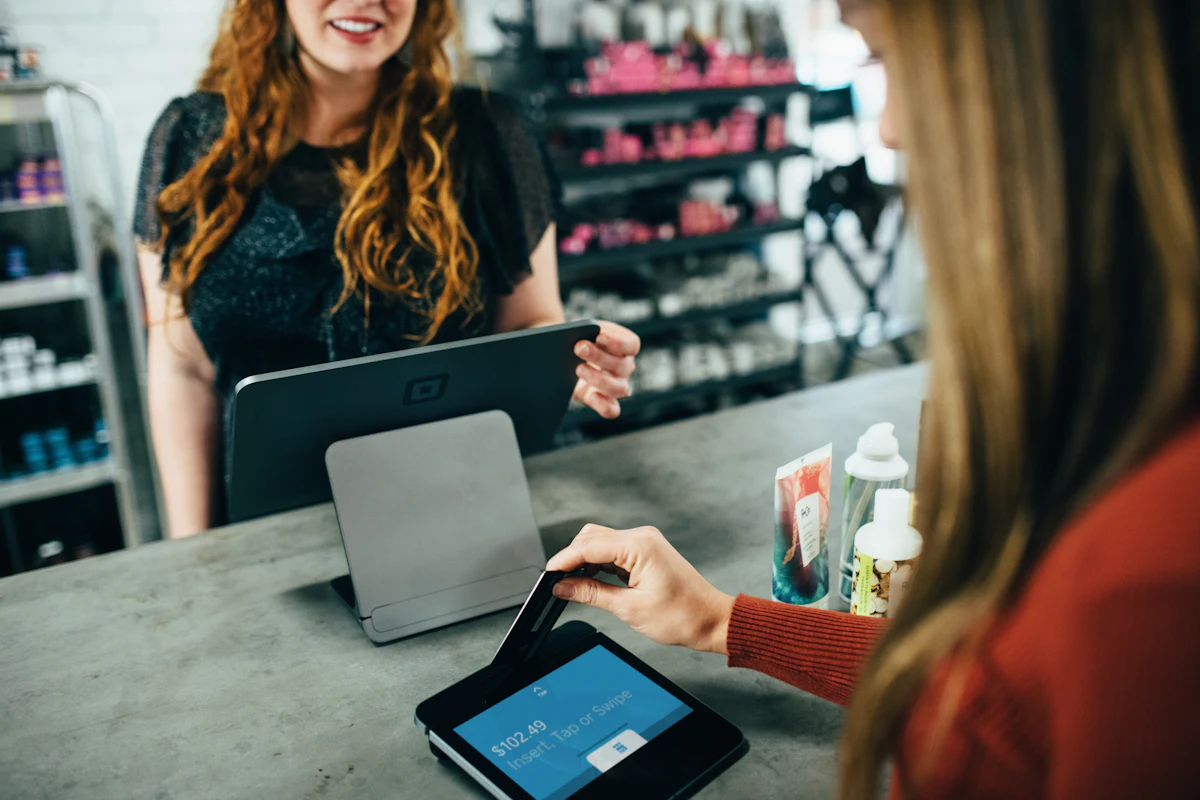
These services lift deposits, and some providers look harder at the account activity behind them. Say what they are on the application: an unexplained pattern reads worse than an explained one.
What does a grocery or convenience store need to apply?
Some providers consider applications at these minimums. Meeting a minimum does not guarantee an offer. The application is a soft credit pull only.
12 mo
time in business
$15K
monthly revenue
525
credit considered from
3 mo
bank statements
5 min
application
Bring, on top of the statements
- A government ID
- More statements in some states: four in CA, NY, FL and GA with some providers
- Your licences. Liquor, beer-and-wine, tobacco, lottery, food handling — the numbers, the entity they are held in and the renewal dates.
- The lease. Term remaining, renewal options and the landlord, especially on a larger request or a purchase.
- A split of the sales. Gross profit by category, and commission income shown separately from sales. This is the single most useful thing you can prepare.
- The vendor quote, for equipment. Model, delivery and installation cost, and the serial number where there is one.
- Tax returns and financial statements, for anything large. A purchase, a building or the top of any range is a full-documentation file. What providers ask for in an application lists what that means in practice.
Capital Gurus is not a lender. We collect your application, present it to funding providers in our network, and help you compare the offers they make. Each provider sets its own rates, fees and terms, which are disclosed in that provider's agreement.
Frequently asked questions
In short
Grocery stores, convenience stores and liquor stores finance inventory, refrigeration, renovations and payroll. Working capital financing is the lead product for this industry, with equipment financing for coolers and an SBA route for buying a store behind it. Providers in our network consider $10K–$10M, depending on the funding provider.
How much financing can a grocery or convenience store get?
Deposits set the number first, then the structure and your documents. Across all products, providers in our network consider $10K to $10M, depending on the funding provider, with working capital reaching up to $10M for strong files. Refrigeration and other equipment are sized against the asset instead: some providers consider up to $500K on the application alone. Meeting a minimum does not guarantee an offer, and the top of any range belongs to fully documented files.
Can a liquor store get a business loan?
Yes. Some providers in our network treat licensed food and liquor stores as preferred business, because the sales are high frequency, mostly card and easy to verify from bank statements. Others take no particular view of them. Expect questions about your state and local licences, and expect them to be verified before funding, since the licence is what the store trades on.
Why does a store with high sales get offered less than it expects?
Because the top line is mostly inventory sold at a thin margin. A provider that sizes only on deposits can produce an amount the store cannot comfortably carry, since the gross profit behind those deposits is a small share of them. Judge any remittance against the gross profit the shelves actually produce, not against total deposits.
Can I finance a walk-in cooler or new refrigeration?
Yes, and refrigeration is one of the clearest equipment files in retail: the asset is real, installed and has a resale market, so it carries part of the decision itself. Some providers consider up to $500K on the application alone, and up to $5M with full documentation, depending on the funding provider. Bring the vendor quote with the model and the installation cost on it.
Can financing cover buying a store, or a liquor licence?
It can, and it is a separate exercise from working capital. Many of these files fit an SBA loan from a participating lender, which takes weeks rather than days. Capital Gurus is not an SBA lender; SBA loans are made by SBA-participating lenders. A liquor licence is a real asset in a purchase, but it transfers on the regulator's timetable, so build that delay into the closing rather than the funding.
Do lottery and fuel commissions count as sales?
Not in the way the register suggests. On lottery, you keep a commission, and the rest belongs to the state; on fuel sold for a supplier, the same logic applies. Those lines inflate deposits without adding much gross profit. Separate them before you apply, so the amount you accept is sized against money the store keeps.
Still have a question?
talk to a funding advisorDecisions from some providers the same day, depending on the provider.
Subject to provider approval and document turnaround.
about 5 minutes, soft credit pull only · Talk to a funding advisor