
Manufacturing Business Loans and Financing: Machinery, Materials, Receivables and Working Capital
Term loans and lines of credit for machinery, materials and payroll until the invoice is paid.
Soft credit pull only, no obligation
- Same-day decisions
- from some providers
- Subject to provider approval and document turnaround.
- 700+
- industries served
- Reviews
- Materials bought
- Order shipped
- Invoice paid
Net terms
Bridged by a business line of credit for manufacturers
Rates, factor rates, fees and terms are set by the funding provider that makes your offer and are disclosed in that provider's agreement. Figures on this page are illustrative ranges from providers in our network, not offers.
The structure that fits first
- Lead productBusiness term loan
A known amount for a known project: capacity, a plant, materials
Some providers in our network consider $10K–$10M and terms up to 10 years, depending on the funding provider.
business term loans for manufacturers - Business line of credit
Standby capital for a production cycle you can predict but not date
For the production cycle: draw when materials are bought, pay it down when the job invoices and is paid.
a business line of credit for manufacturers - Equipment financing
The machine secures the deal, so the asset does much of the work
Where the machine secures its own deal, and its model, age and resale market move the decision.
equipment financing for manufacturers - Invoice factoring
Cash sits in B2B invoices; the decision rests on your customers' credit
Where the cash is tied up in receivables: a factoring company advances against eligible invoices.
invoice factoring for manufacturers
Decisions from some providers the same day, depending on the provider.Subject to provider approval and document turnaround.
The numbers before you apply
Typical amount
$10K–$10M
Across the products in our network
Equipment amounts
Up to $5M
Up to $500K on the application alone; up to $5M with full documentation
Speed
As fast as 6 hours
Same-day decisions from some providers; funding as fast as 6 hours, subject to provider approval and document turnaround
Amounts considered by providers in our network, depending on the funding provider. Not an offer. Cost is stated on each product page.
What do manufacturing businesses use financing for?
Five requests cover most of what shops ask about, and they sit at different points in the same cycle.
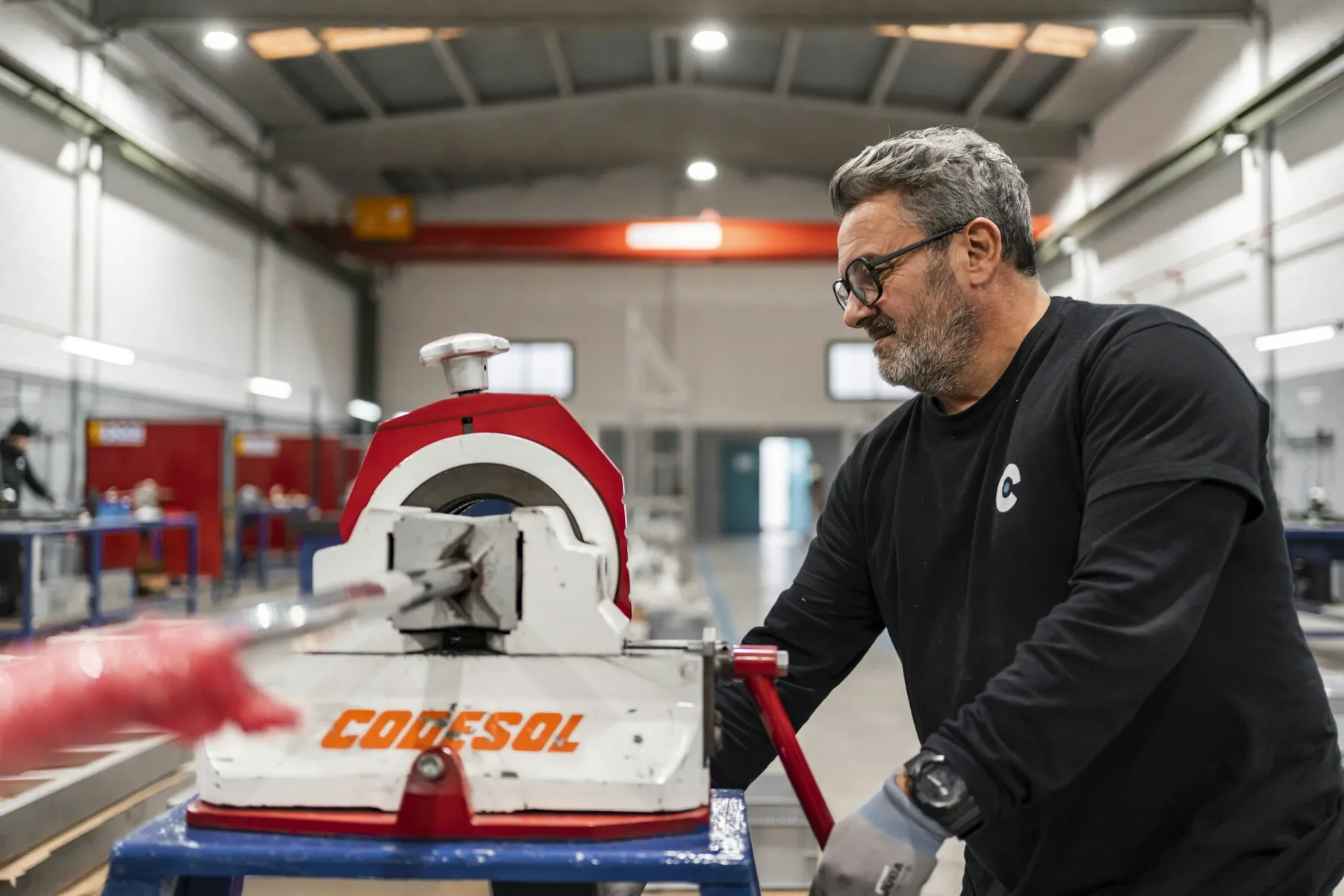
Machinery and tooling
A CNC machining center, a press, a molding machine, a packaging line, new dies.
More: Machinery and tooling
The asset secures the deal, which is why this is the easiest large request to structure: some providers consider up to $500K on the application alone, and up to $5M with full documentation, depending on the funding provider. How to Finance New Equipment walks through the quote, the lien and the timing.
Raw materials for a purchase order
The work is won, and steel, resin, components or board are bought before anyone pays.
More: Raw materials for a purchase order
A term loan or a line of credit funds the outlay; the schedule should be set against when the job invoices, not against the calendar.
The receivable, once the invoice is out
Your customer sets net terms; on a large order, the wait can be most of the cycle.
More: The receivable, once the invoice is out
Invoice factoring for manufacturers turns the invoice into cash sooner: a factoring company advances against eligible invoices and charges a factoring fee, disclosed in the factoring agreement. Invoice Factoring vs Line of Credit compares it with standby capital.
Capacity: a second shift or automation
Leasehold improvements, three-phase power, racking, robotics, new hires.
More: Capacity: a second shift or automation
A term loan fits because the amount and the end date are both known at the start.
Refinancing what is already running
Several short schedules at once can outrun what the shop collects each month.
More: Refinancing what is already running
Equipment bought outright can sometimes be refinanced to release cash. Refinancing Business Debt With a Term Loan sets out when that helps and when it only moves the problem.
What do providers look for in a manufacturer?
Acceptance still varies: a file one provider restricts is routine for another, which is the point of applying once to a network.
The purchase orders and the receivables
The work the money is for, and the people who owe for it.
More: The purchase orders and the receivables
A signed contract or purchase order moves a materials request further than a forecast does. On the receivables side the question is who your customers are and how many of them there are: a shop where one customer is most of the revenue is read as a concentration risk, and the offer is sized against that, whatever the total looks like. On a factoring file this becomes the whole decision, because the factoring company is underwriting your customers' credit rather than yours.
The machinery itself, as collateral
Equipment financing is tied to the equipment, not only to the shop.
More: The machinery itself, as collateral
The model, its age, the vendor quote, the installation and rigging cost and the depth of the second-hand market all move the decision. A common machine with an active resale market is easier to finance than a one-off build, and used or auction purchases narrow the field of providers rather than closing it. New vs Used Equipment Financing and Leasing vs Buying Business Equipment cover the two decisions that follow.
The length of the production cycle
Providers read this in manufacturing and nowhere else.
More: The length of the production cycle
Cash leaves for materials and labour, and nothing comes back for weeks or months. That is normal, and providers know it — but the schedule has to match the cycle. A payment schedule that starts collecting before the job invoices puts pressure on exactly the cash flow the funding was meant to protect. Say how long your cycle runs, and ask each provider to set the first payment accordingly.
Documentation, at the sizes manufacturers ask for
Larger tickets are not reviewed on bank statements alone.
More: Documentation, at the sizes manufacturers ask for
Expect tax returns, financial statements, receivables and payables ageing, and sometimes a work-in-progress schedule. Some providers consider up to $500K on the application alone on an application-only file; up to $5M with full documentation is a different exercise with a different document list, depending on the funding provider. The upside is that the files that can produce those documents reach schedules and amounts most verticals never see. Business loan requirements lists what full documentation means in practice.
Worked example
A metal fabrication shop that has won a multi-year contract and needs three things at once, funded through three structures rather than one.
Equipment financing
$400,000
New CNC machining centre
Secured by the machine
Business term loan
$250,000
Steel and tooling for the first production run
Invoice factoring
Sized to the invoice
The receivable on the first shipment
Used invoice by invoice
Illustrative example, not an offer. Amounts, rates, factoring fees and schedules are set by the funding provider that makes each offer and are disclosed in that provider's agreement.
Sub-segments of manufacturing
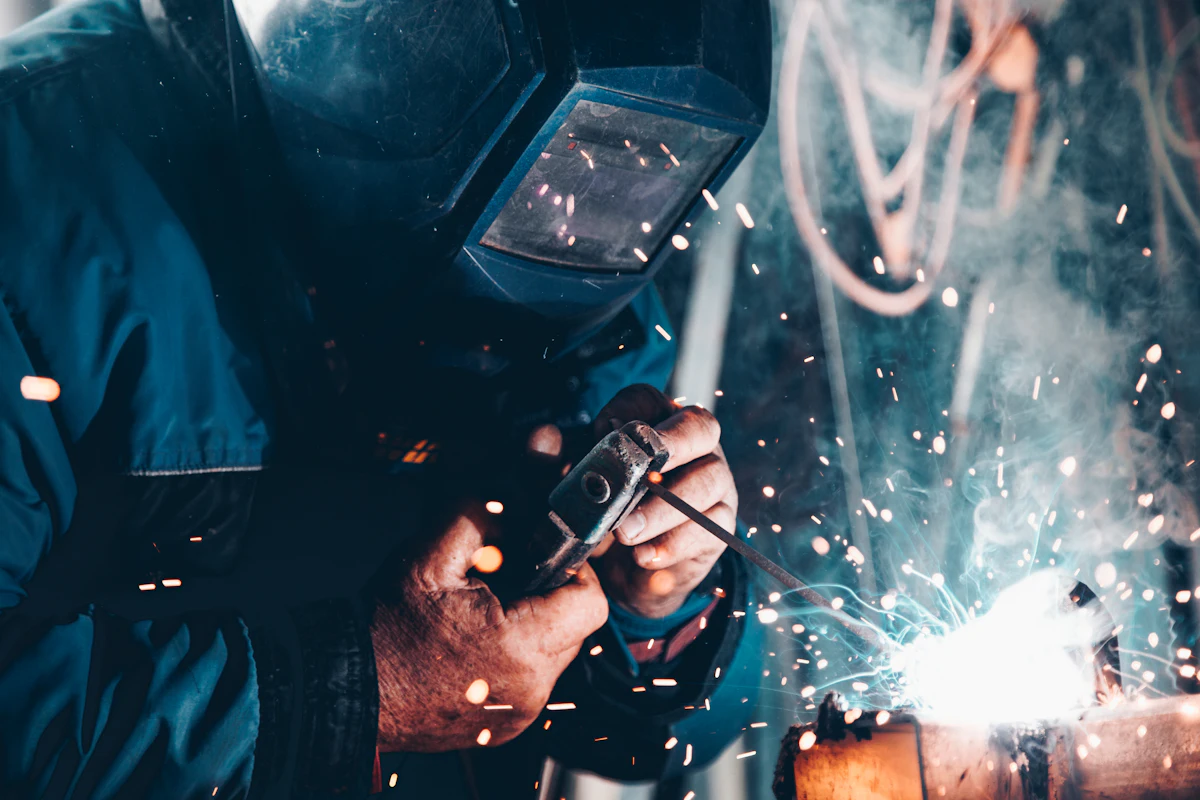
Metal fabrication and machining
Heavy, long-lived machinery with a deep resale market and a few large customers: equipment financing plus a line.
More: Metal fabrication and machining
The classic profile for that pairing, with the line covering the cycle.

Food and beverage production
Perishable inputs, hard net terms: processing lines drive equipment requests, grocery receivables drive factoring.
More: Food and beverage production
Cycles are short. Refrigeration adds to the equipment requests, and distribution customers add to the receivables.
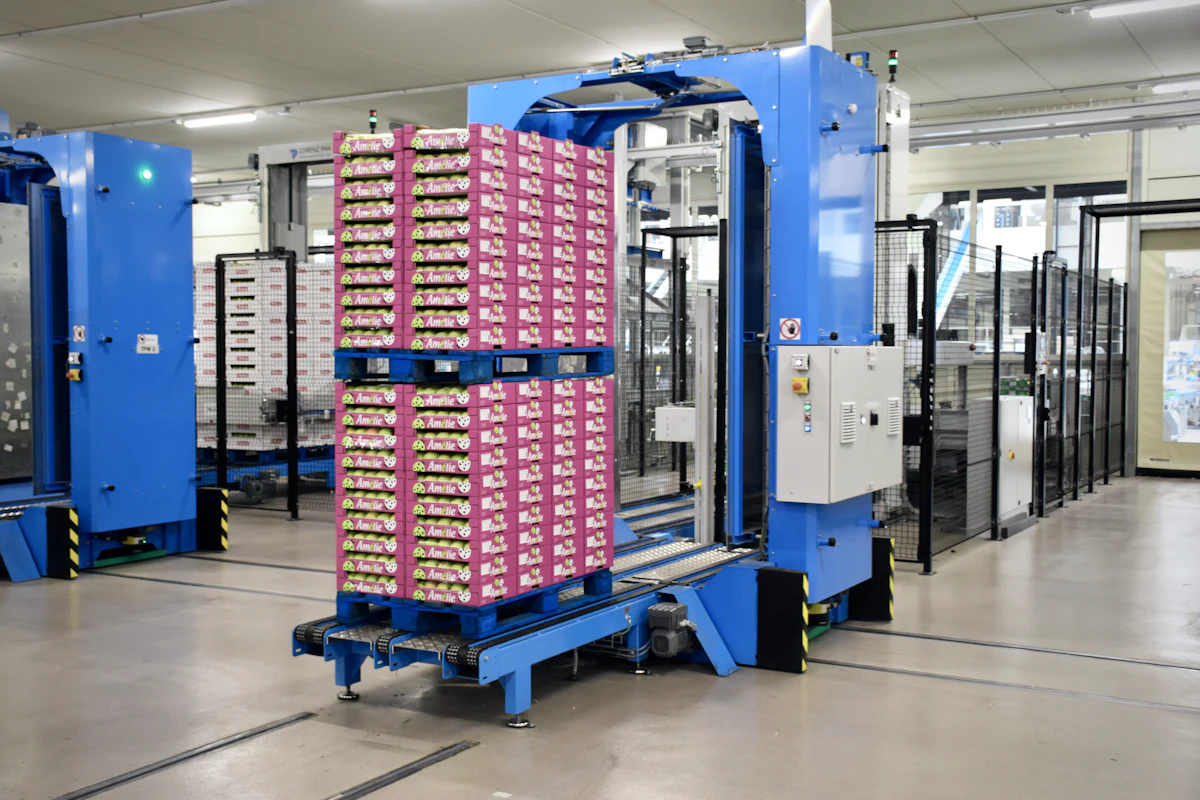
Plastics, packaging and printing
Tooling-heavy, with dies and plates made for one customer; providers ask what it is worth outside that contract.
More: Plastics, packaging and printing
The trade is capital-heavy as well as tooling-heavy.
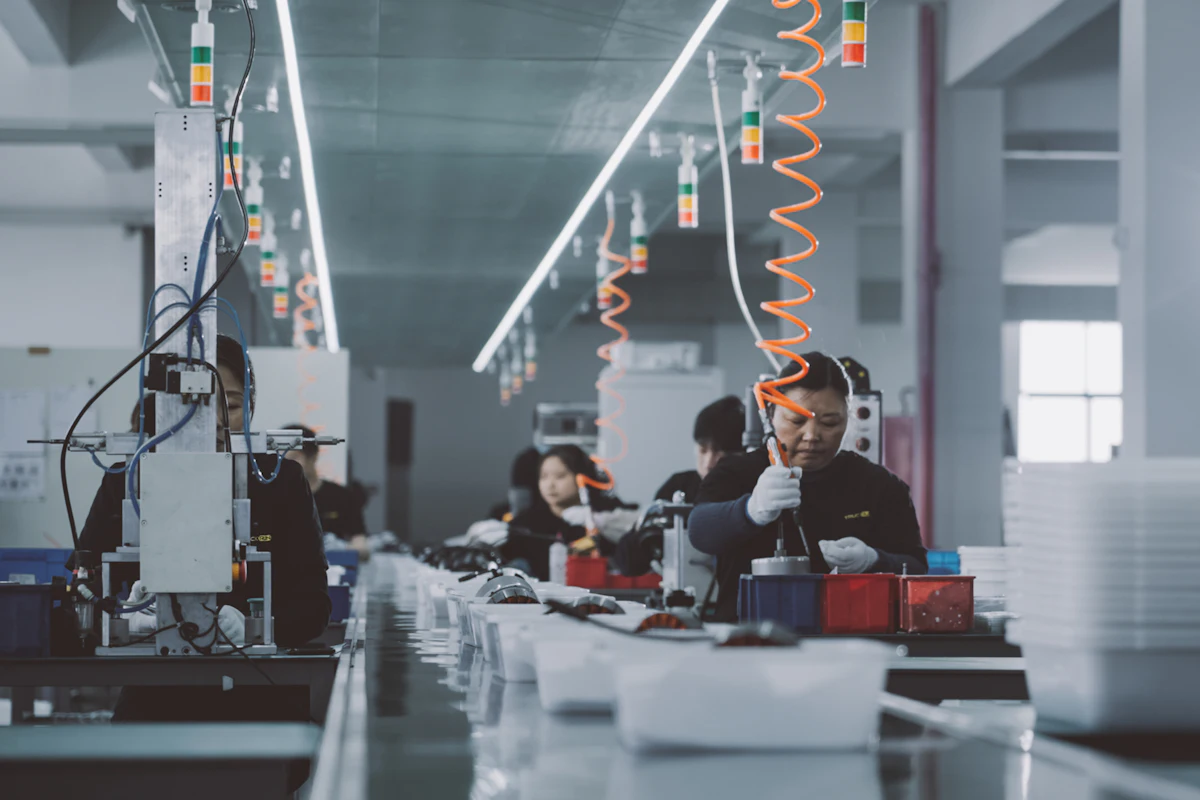
Contract manufacturing and assembly
Few owned machines, heavy materials and labor, often one or two customers: working capital and factoring lead.
More: Contract manufacturing and assembly
Large term loans see less use here.
What does a manufacturer need to apply?
Some providers consider applications at these minimums. Meeting a minimum does not guarantee an offer. The application is a soft credit pull only.
12 mo
time in business
$15K
monthly revenue
525
credit considered from
3 mo
bank statements
5 min
application
Bring, on top of the statements
- A government ID
- More statements in some states: four in CA, NY, FL and GA with some providers
- The contract or purchase order
- The vendor quote, for machinery
- Receivables and payables ageing, plus your customer list
- Tax returns and financial statements, for larger tickets
Capital Gurus is not a lender. We collect your application, present it to funding providers in our network, and help you compare the offers they make. Each provider sets its own rates, fees and terms, which are disclosed in that provider's agreement.
Frequently asked questions
In short
Manufacturers bring high-quality files and larger tickets. The lead products are a business term loan and a business line of credit, with equipment financing, invoice factoring and revenue-based financing behind them. Shops use them for machinery, tooling, raw materials against a purchase order, and payroll across the weeks before an invoice is paid. Providers in our network consider $10K to $10M.
How much financing can a manufacturer get?
Larger than most industries, because the files are stronger and the assets are real. Across all products, providers in our network consider $10K to $10M, depending on the funding provider. Machinery is sized against the asset: some providers consider up to $500K on the application alone, and up to $5M with full documentation. Meeting a minimum does not guarantee an offer, and the top of any range is a full-documentation file.
Can a manufacturer finance a machine it has not bought yet?
Yes, and that is the normal sequence. You send the vendor quote with the application, the provider decides against that quote, and the funds go to the vendor rather than to you. The financing is tied to the equipment itself, so the model, its age and its resale market all move the decision alongside your own file.
Can financing cover a purchase order or raw materials?
It can, through more than one structure. A term loan or a line of credit funds the materials and labour directly. Invoice factoring works at the other end of the cycle: a factoring company advances against the invoice once it is issued and charges a factoring fee disclosed in the factoring agreement. Which fits depends on where in the cycle your cash runs short.
Does a long production cycle hurt the application?
Not by itself, but it has to be visible. Providers read bank statements and see cash leaving for materials and labour months before a deposit arrives. What they look for is that the pattern repeats and that the gap is funded, not improvised. Saying plainly how long your cycle runs, and matching the schedule to it, strengthens the file.
Can used or auction-bought machinery be financed?
Often, yes, although it narrows the field. Some providers in our network restrict private-party and auction purchases, and most want an appraisal or an inspection when the machine is older. Rigging, freight and installation are sometimes included in the amount financed and sometimes not, so ask each provider which costs its offer covers before you compare them.
What do providers ask a manufacturer for?
At minimum three months of bank statements plus a government ID. Larger tickets add tax returns, financial statements, receivables and payables ageing, and the contract or purchase order behind the request. Equipment requests need the vendor quote. Factoring files need your customer list, because the decision rests on who owes the money.
Still have a question?
talk to a funding advisorDecisions from some providers the same day, depending on the provider.
Subject to provider approval and document turnaround.
about 5 minutes, soft credit pull only · Talk to a funding advisor