
Restaurant Equipment Financing: Walk-Ins, Ovens, Fryers, Hoods and Dish Machines
The equipment carries part of the decision. The provider pays the dealer and collects on a schedule.
Soft credit pull only, no obligation
Rates, factor rates, fees and terms are set by the funding provider that makes your offer and are disclosed in that provider's agreement. Figures on this page are illustrative ranges from providers in our network, not offers.
- Same-day decisions
- from some providers
- Subject to provider approval and document turnaround.
- 700+
- industries served
- Reviews
This page is part of our guide to financing for restaurants and applies the general rules of equipment financing to refrigeration, cooking lines, ovens and dish machines, for restaurants, cafés, bakeries and bars.
How the deal works when the asset is kitchen equipment
You choose the equipment first, then apply for that purchase.
Send the quote
The dealer quote or invoice, with the model and serial number of each unit.
A provider decides
It reads the equipment's value and resale market, then your card settlements.
Funds go to the seller
Not into your account. The provider records a lien on the equipment.
You pay on schedule
The amount, frequency and term are set in the financing agreement you sign.
Card settlements
Providers read the deposits as well as the equipment: steady settlements every month count for more than one strong season, and negative balance days most often shrink a file. Larger deals need full documentation, up to $5M with some providers.
Loan or lease
Some providers write it as a loan, some as a lease. Equipment you replace on a cycle, such as a point-of-sale system, is a common case for a lease; an oven you keep for years suits a purchase. Leasing vs buying business equipment covers the choice.
What restaurants actually finance
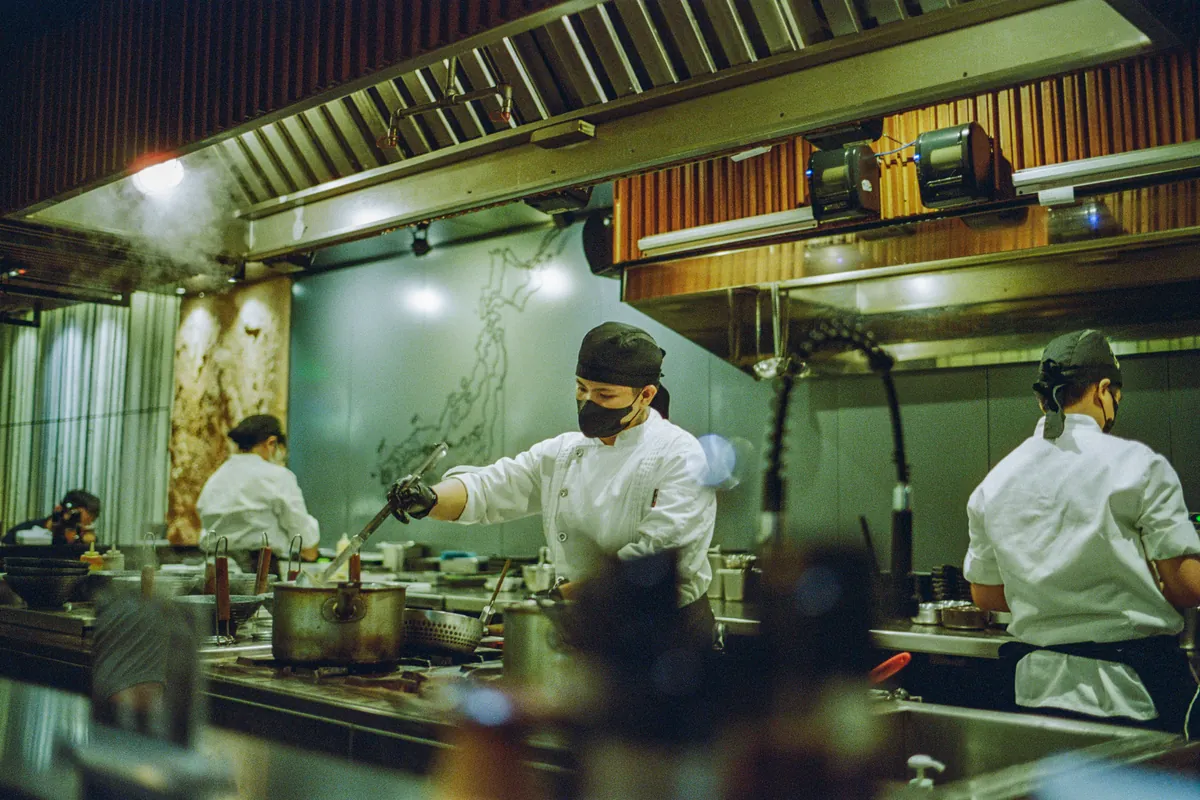
Cooking line and hood
Ranges, griddles, fryers, charbroilers, steam tables and the hood with its fan.
A common request: a failed line stops service.
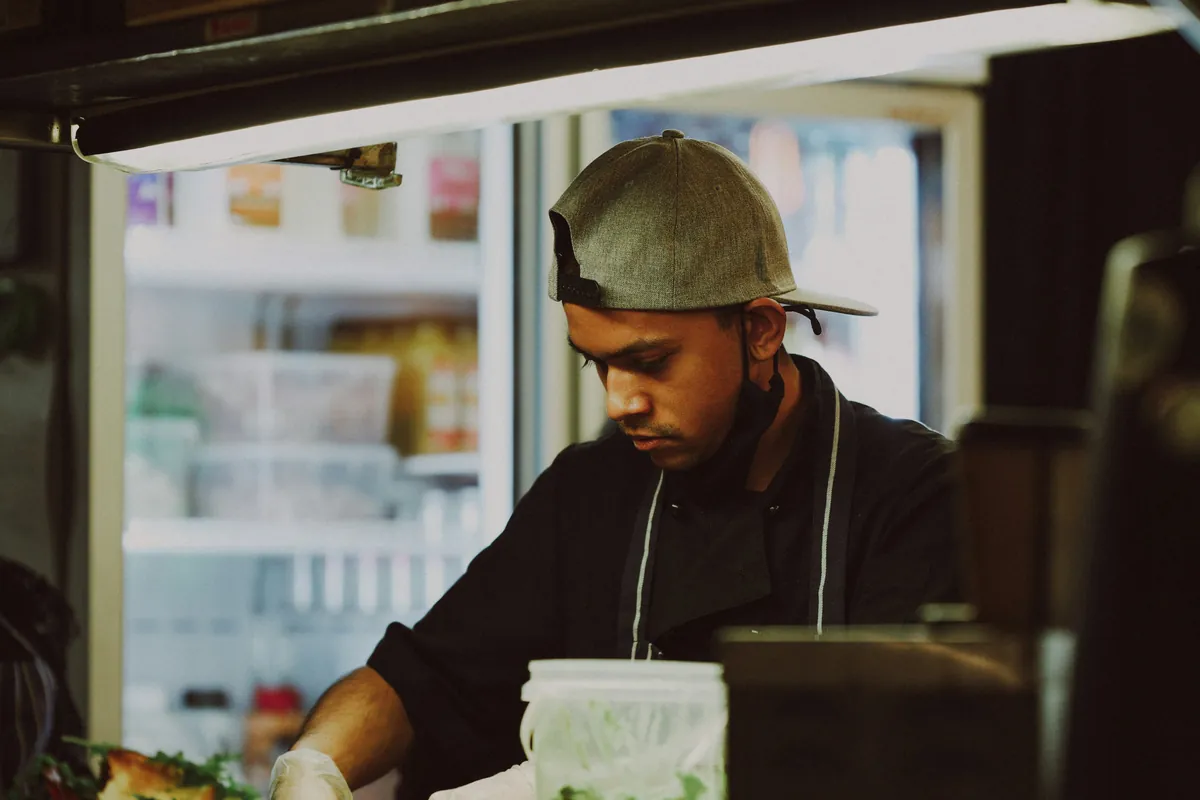
Refrigeration
Walk-in coolers and freezers, reach-ins, prep tables and ice machines.
A prefab walk-in box and its condenser count as equipment.
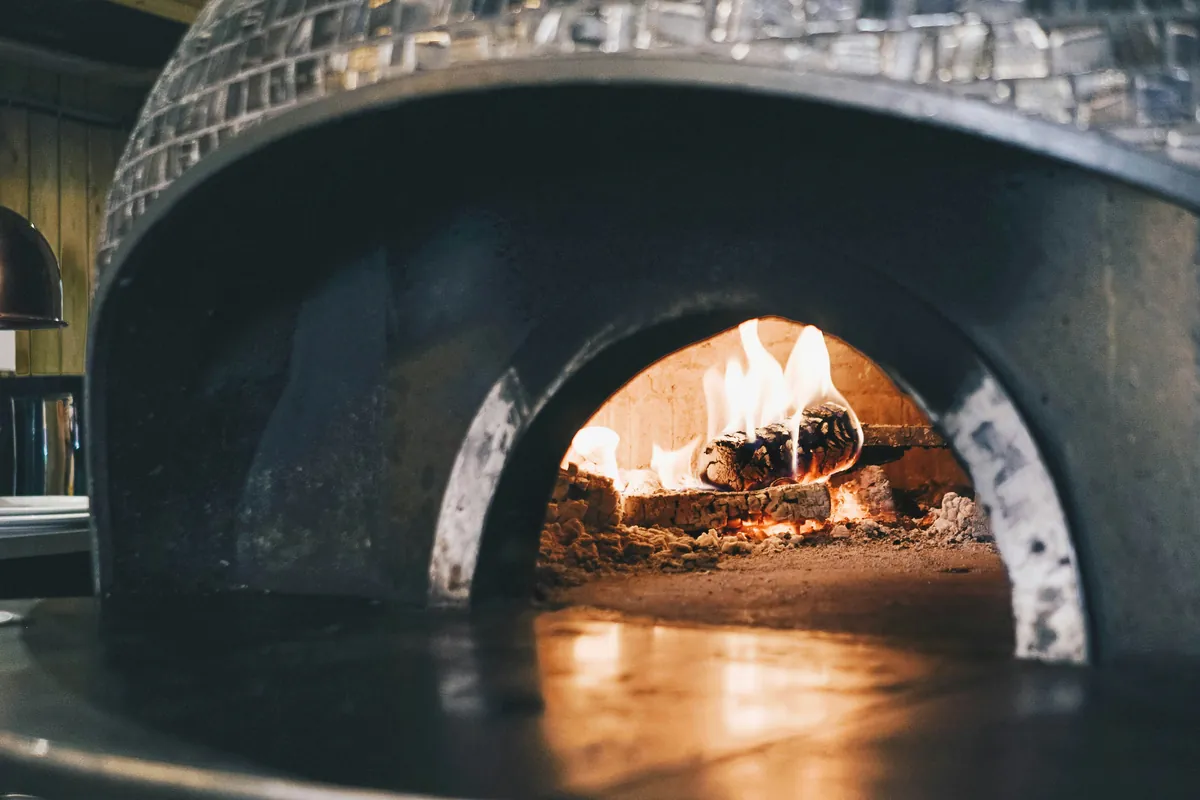
Ovens and bakery
Pizza and deck ovens, combi and convection ovens, mixers and proofers.
Long-lived and slow to lose value, so an oven suits a longer schedule.
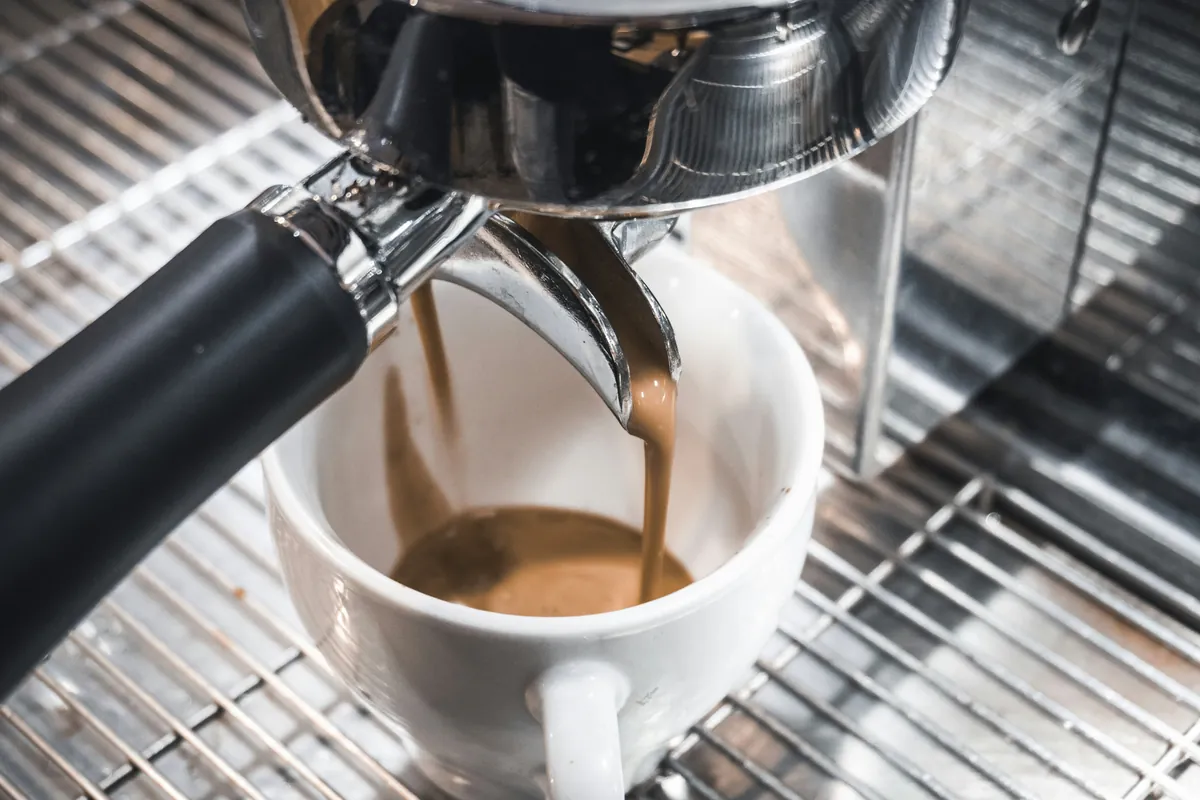
Dish, bar and front of house
Dish and espresso machines, bar coolers, display cases and point-of-sale systems.
Smaller items go most easily on the same deal as a larger unit.
New, used and from a closing restaurant
In this trade the age and the source of the equipment move the decision as much as the file does.
New from a dealer
The provider gets an invoice, serial numbers, a warranty and a known resale market to read.
Schedules tend to run longest here: new equipment has the most working life left.
Used from a dealer
Reconditioned units from a dealer that stands behind them. The provider reads age, condition and the warranty.
Ask the dealer for an invoice listing each unit's serial number, not one lump sum.
From a closing restaurant or at auction
Some providers limit private sales; others inspect, check liens and pay the seller. Sold as-is, it may need a service call.
- The seller's lien: cleared first
- Disconnecting and moving it: yours to arrange
Deposit, schedule and the tax question
Deposit
Some providers ask for one, or the first and last payment up front; others need none. A larger deposit can help a weaker file.
Schedule
Match the schedule to the working life of each unit: a point-of-sale terminal is replaced long before an oven.
Nor should the payments outlive the equipment.
Tax
Financed equipment may qualify for a depreciation deduction, including Section 179 or bonus depreciation.
Consult your tax advisor.
Worked example
Illustrative example, not an offer.
A café-bakery that serves lunch loses its walk-in cooler in July and, the same month, wants to add its own bread to the menu.
- A replacement walk-in cooler and condensing unit, from a dealerEquipment financing, from the dealer's quote$26,000
- A reconditioned deck oven and a spiral mixerEquipment financing, on the same application$22,000
Amounts, rates, fees and schedules are set by the funding provider that makes each offer and are disclosed in that provider's agreement.
Decisions from some providers the same day, depending on the provider. Subject to provider approval and document turnaround.
What you need to apply
Some providers consider applications at these minimums.
- time in business
- 12 months
- monthly revenue
- $15K
- credit considered from
- 525
- bank statements plus ID
- 3 months
Meeting a minimum does not guarantee an offer.
Bring, on top of the statements
- The dealer quote or invoice, with the model and serial number of each unit
- The lease on your premises, with the term left on it
- For a bar, the split between food and drink sales
A few providers decline restaurants and food service outright and some restrict private sales, so say what you run and where the equipment comes from: we send the file only to providers that accept both.
Where this fits, and where it does not
It fits
- Kitchen equipment you will still be using in several years
- Replacing a unit that keeps failing before it stops service
It does not fit
- The build-out: ductwork, the grease trap and plumbing become part of the building
- Slow-season payroll: timing, not an asset
- Smallwares alone: too small for some providers
Frequently asked questions
In short
Restaurant equipment financing ties the deal to the equipment. A provider in our network pays the dealer, takes a lien on the walk-in, range or dish machine, and collects on a schedule. Because the equipment carries part of the decision, some providers consider up to $500K on the application alone, depending on the funding provider.
How fast can a restaurant replace equipment that has failed?
It can move quickly, because the decision rests on one quote. Some providers in our network give same-day decisions, subject to provider approval and document turnaround. Apply with the dealer's quote in hand, with the model of the unit and the delivery date, and tell your specialist that service is affected. The provider pays the dealer directly, so the replacement can be ordered as soon as the agreement is signed.
Can I get restaurant equipment financing with bad credit?
Sometimes, and more often than a term loan would allow, because the equipment secures the deal; options vary by provider. Some providers consider credit from 525 with 12 months in business and $15,000 in monthly revenue. Some providers consider applications at these minimums. Meeting a minimum does not guarantee an offer. Expect a smaller first amount, a larger deposit and a shorter schedule, and expect your card settlements to be read closely.
Can a new restaurant finance its kitchen equipment?
It is harder, and the field of providers is smaller. Some providers consider files from 12 months in business, because a kitchen with no trading history has no deposits to read. Equipment is still usually the first thing a young restaurant can finance, since the asset carries part of the decision. Equipment financing for startups covers what a new business can reach.
Can I finance used restaurant equipment?
Yes. Used ranges, ovens, refrigeration and dish machines are financed regularly, and restaurant closures keep the used market deep. Age, condition and the resale market set the terms rather than the word used. A dealer invoice that lists each unit with its serial number is the straightforward case; equipment bought from a closing restaurant or at auction narrows the field of providers.
Does equipment financing cover the hood and the build-out?
It usually covers the hood and fan as equipment, with the walk-in box, the line and the dish machine. It does not cover what becomes part of the building: ductwork through the roof, the grease trap, plumbing, gas lines and flooring. No provider can take those back and resell them, so that half of a kitchen rebuild is funded on your revenue instead, usually as working capital.
Do providers finance bar and bakery equipment?
Bakery equipment, yes: deck ovens, mixers, proofers and display cases finance like any kitchen equipment. Bars are mixed. A few providers in our network decline restaurants and food service outright, and some exclude a standalone, single-location bar. A bar with a real kitchen or more than one location reads better. Tell us the food and drink split, and we send the file only to providers that accept it.
Is financed restaurant equipment tax deductible?
Financed equipment may qualify for a depreciation deduction, including Section 179 or bonus depreciation, and the cost of funds may be treated differently again. What applies depends on your entity, your tax year and the asset, and the rules change. Nothing on this page is tax advice — consult your tax advisor.
Still have a question?
talk to a funding advisorKeep reading
Replace it before it stops service: see which equipment offers fit your restaurant.
about 5 minutes, soft credit pull only · talk to a funding advisor