

Truck Equipment Financing: Tractors, Trailers and Box Trucks for Established Fleets
The provider pays the seller and holds a lien on the title. Few providers accept trucking, and they want a fleet.
Soft credit pull only, no obligation
Rates, factor rates, fees and terms are set by the funding provider that makes your offer and are disclosed in that provider's agreement. Figures on this page are illustrative ranges from providers in our network, not offers.
- Same-day decisions
- from some providers
- Subject to provider approval and document turnaround.
- 700+
- industries served
- Reviews
This page is part of our guide to financing for trucking and logistics companies and applies the general rules of equipment financing to tractors, trailers and box trucks, with one difference that matters more here than in any other industry: who is accepted.
How the deal works when the asset is a truck
You choose the unit first, then apply for that unit.
Send the quote
The dealer invoice or bill of sale, with each unit's VIN, year and mileage.
A provider decides
It reads the unit's age, mileage and title, then your fleet and history.
Funds go to the seller
Not into your account. The provider is the lienholder on the title.
You pay on schedule
The amount, frequency and term are set in the financing agreement you sign.
Who it fits, plainly
Most providers in our network that finance equipment do not accept trucking; those that do want an established fleet with years of history. For a single truck or a new authority, invoice factoring for trucking and logistics companies is the route that works.
Loan or lease
Some providers write it as a loan, some as a lease. A tractor you run until it is worn out suits a purchase; trailers you replace on a cycle are a common case for a lease. Larger fleet deals need full documentation, up to $5M with some providers.
What carriers actually finance
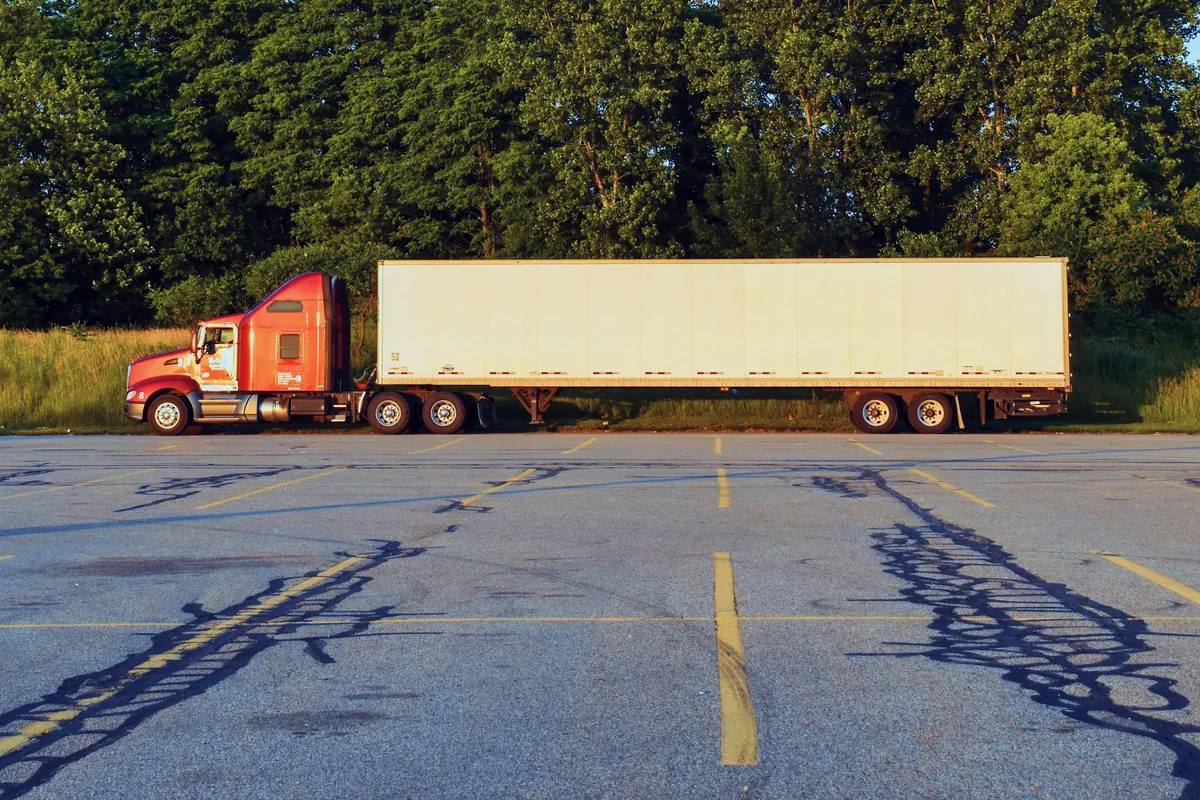
Tractors
Day cabs and sleepers, new or used, from a dealer or from another carrier.
Age and mileage set the schedule more than the price does.
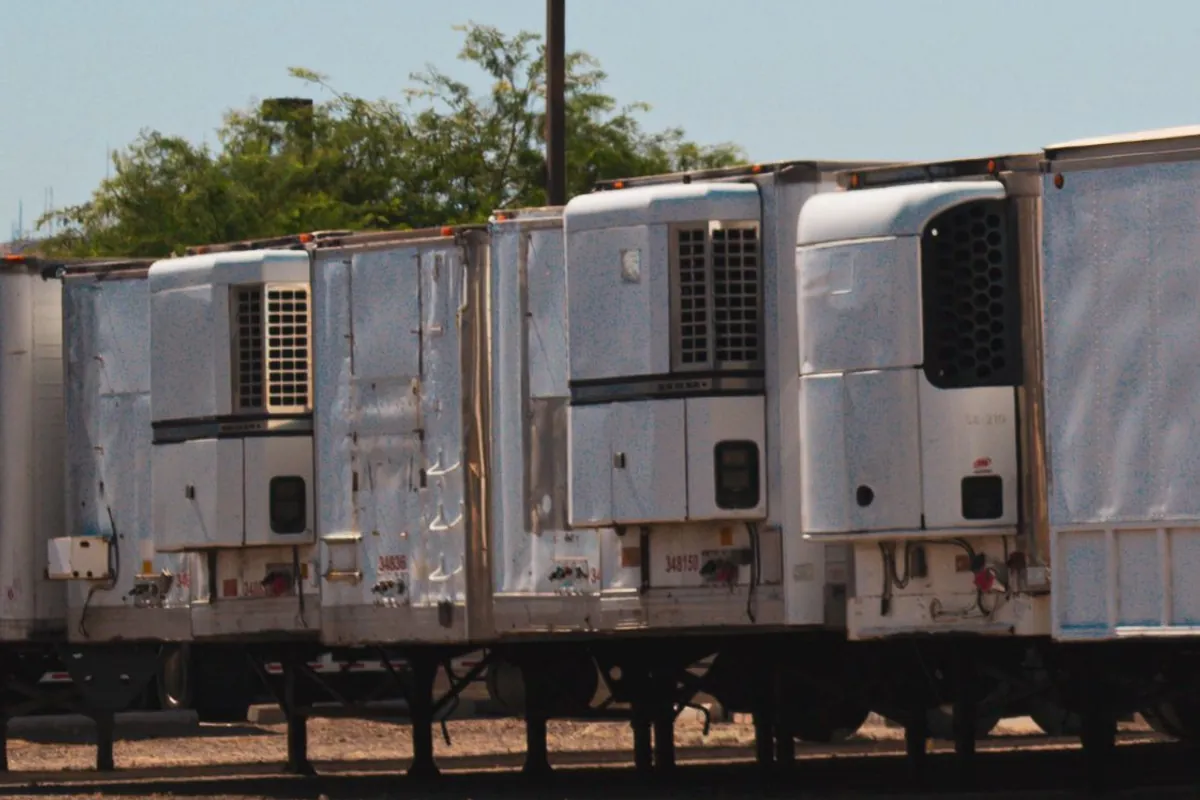
Trailers
Dry vans, reefers, flatbeds and lowboys, alone or with the tractor that pulls them.
Trailers usually outlast tractors, which suits a longer schedule.
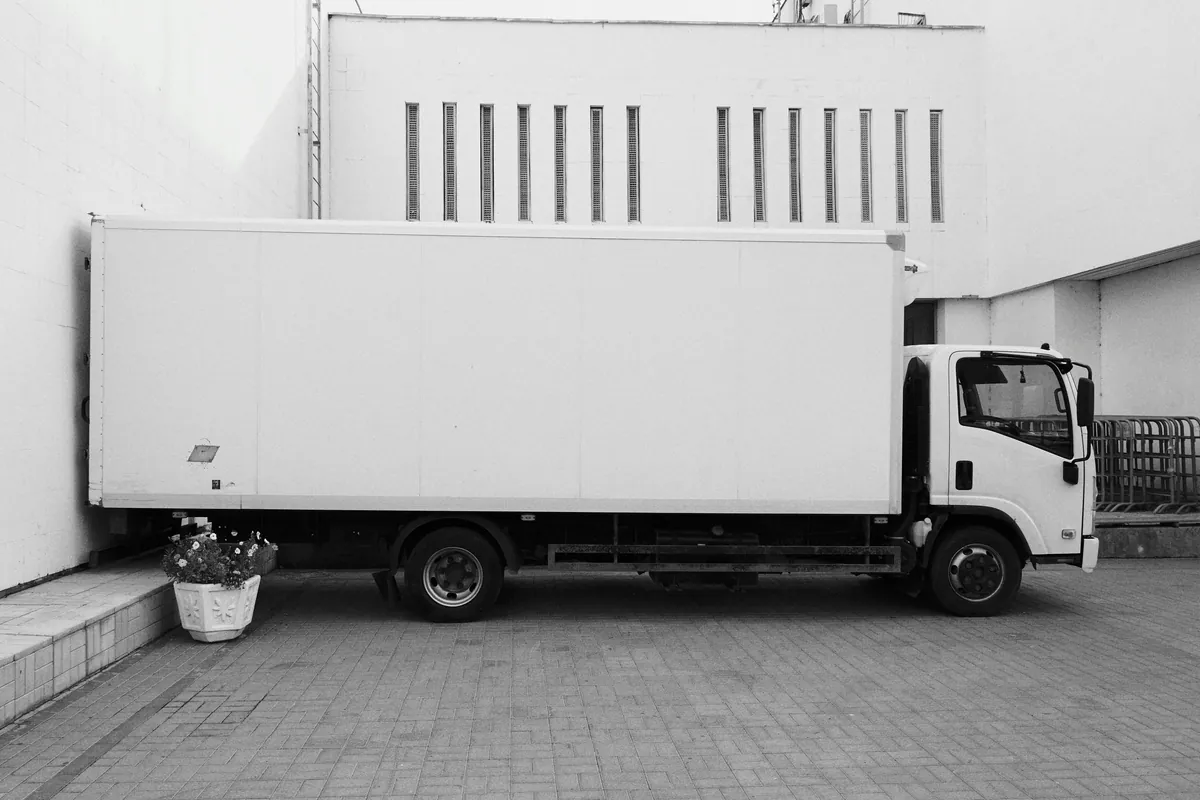
Box and straight trucks
Box trucks, straight trucks and cargo vans for local routes and last-mile work.
Several units of the same model can go on one application.
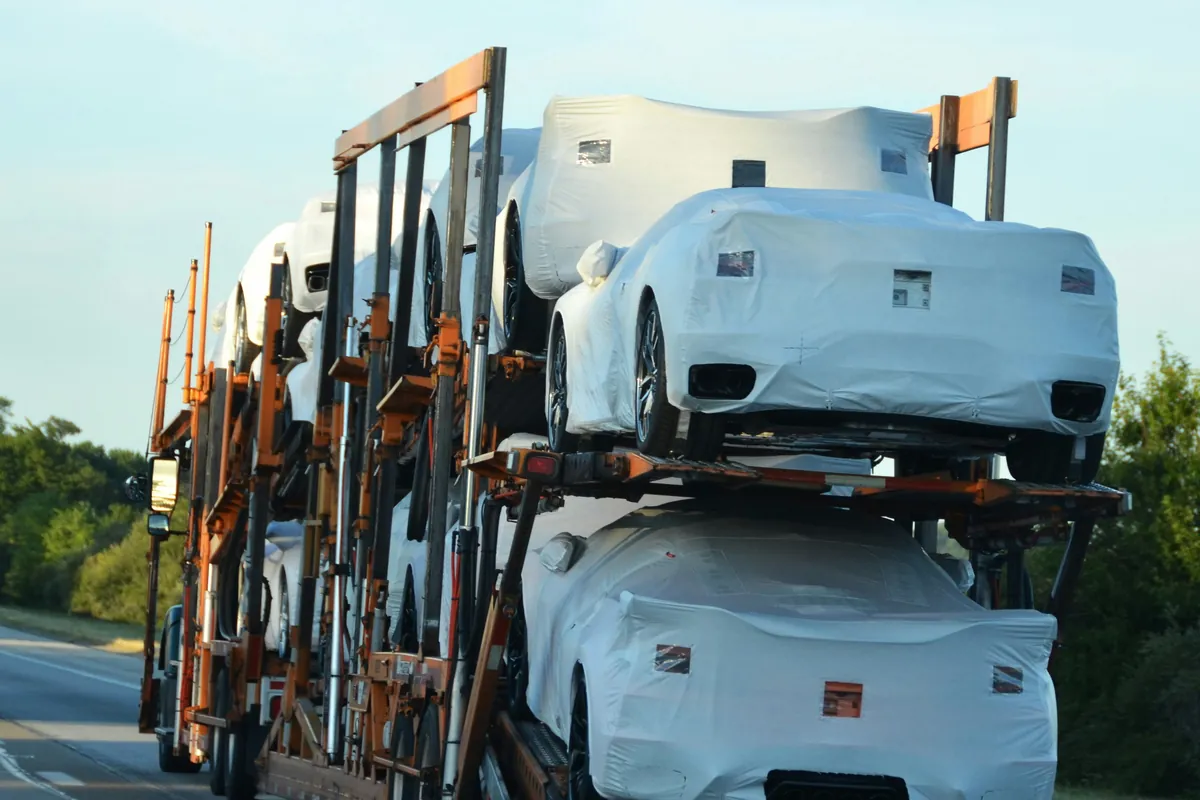
Car haulers and hotshots
Car haulers, hotshot setups and other units built for one kind of load.
A narrower resale market can mean fewer providers.
New, used and from another carrier
In trucking the age and the source of the unit move the decision as much as the file does.
From a dealer
The provider gets an invoice, a VIN, a clean title and a known resale market, new or used.
The straightforward case, and the one with the widest choice of schedules.
Used, with high miles
The provider reads the year, the mileage and the maintenance records, and may ask for an inspection.
Ask the seller for the maintenance history; a unit with records is easier to place.
From another carrier or at auction
Some providers restrict private sales; others add a title search and an inspection. An auction can close before a decision.
- A lien on the seller's title: cleared first
- Sold as-is: may need repairs before it hauls
Deposit, schedule and the tax question
Deposit
Some providers ask for one, more often on an older unit or a thinner file; others need little or none.
Schedule
Match the schedule to the miles the unit has left: the payment should end before the truck does.
Outliving the tractor is the costly error.
Tax
Financed equipment may qualify for a depreciation deduction, including Section 179 or bonus depreciation.
Consult your tax advisor.
Worked example
Illustrative example, not an offer.
A regional carrier with an established fleet and years on the road replaces a high-mileage tractor and adds a reefer trailer for a new refrigerated lane.
- A used sleeper tractor from a dealer, replacing a high-mileage unitEquipment financing, from the dealer invoice$92,000
- A used reefer trailer for the new laneEquipment financing, on the same application$70,000
Amounts, rates, fees and schedules are set by the funding provider that makes each offer and are disclosed in that provider's agreement.
Decisions from some providers the same day, depending on the provider. Subject to provider approval and document turnaround.
What you need to apply
The application takes about 5 minutes and uses a soft credit pull only. For trucking the general minimums are not the bar: the providers that accept the industry ask for more.
- rather than a single truck, with the providers that accept trucking
- A fleet
- of operating history under your authority
- Years
- units with a VIN and a dealer invoice or bill of sale
- Titled
- bank statements plus a government ID
- 3 months
Meeting a minimum does not guarantee an offer. Acceptance is specific to each provider: we send the file only to providers whose guidelines take trucking.
Bring, on top of the statements
- The dealer invoice or bill of sale, with the VIN, year and mileage of each unit
- Your operating authority details, insurance certificate and, if asked, your safety record
- A list of the units you run now, with what is still financed on each
A unit already financed by the seller, a private sale or an auction deadline changes which providers can look at the file, so say so on the application.
Where this fits, and where it does not
It fits
- An established fleet adding or replacing units
- A unit with miles left well beyond the end of the schedule
It does not fit
- A single truck or new authority: a fleet comes first
- Fuel, insurance, slow brokers: a cash gap
- A major repair to a truck you own: not a purchase
Frequently asked questions
In short
Truck equipment financing pays the seller for a titled tractor, trailer or box truck and records a lien on the title. Providers in our network consider up to $500K on the application alone, depending on the funding provider. Cost is an interest rate or a fixed cost of funds. Few providers accept trucking, and they want an established fleet.
Can an owner-operator with one truck get equipment financing?
Rarely through this network, and it is better to know that before you apply. Most providers in our network that finance equipment do not accept trucking, and those that do want a fleet and years of operating history. A single-truck carrier usually gets further with factoring on its delivered loads first, then comes back for equipment once the fleet and the record have grown.
Can a new trucking company finance its first truck?
Not usually here. A new authority has no operating history for a provider to read, and the providers in our network that accept trucking want years of it; a larger deposit does not usually replace that history. What usually works from the first load is factoring, because the decision rests on the credit of the brokers and shippers who owe you rather than on your own record.
Can I finance a used semi truck or trailer?
Yes, if the fleet fits. Used tractors and trailers can be financed, and the year, the mileage, the maintenance records and the title set the terms rather than the word used. A dealer invoice with the VIN is the straightforward case. A unit bought from another carrier or at auction narrows the field of providers and usually adds a title search and an inspection.
Why do providers want a fleet before financing a truck?
Because one truck is one point of failure. If it goes out of service, the revenue stops and the payment does not. A fleet spreads that risk across several units and years of loads, which is what the few providers that accept trucking look for. The restriction is about the industry's risk, not a judgment on your business in particular.
Is financed truck equipment tax deductible?
Financed equipment may qualify for a depreciation deduction, including Section 179 or bonus depreciation, and the cost of funds may be treated differently again. What applies depends on your entity, your tax year and the asset, and the rules change. Nothing on this page is tax advice — consult your tax advisor.
Still have a question?
talk to a funding advisorKeep reading
Replace the high-mileage unit: see which equipment offers fit your fleet.
about 5 minutes, soft credit pull only · talk to a funding advisor